Saving Slowly for a Big Trip: A Realistic Plan
Setting aside money for a major trip requires discipline, patience, and a framework that works with your everyday budget. Many travelers dream of exploring distant cities or relaxing on tropical beaches, but the costs can feel overwhelming when viewed as a single lump sum. Breaking down the financial goal into manageable monthly or weekly amounts makes the process less intimidating and more achievable. The key lies in creating a dedicated travel fund, identifying realistic savings targets, and making small adjustments that add up over time without sacrificing your other financial priorities.
Establishing Your Travel Savings Target
Before opening a separate account or cutting expenses, determine the actual cost of your intended trip. Research flights, accommodation, meals, activities, and transportation at your destination. Include visa fees, travel insurance, and a buffer for unexpected expenses. A two-week European vacation might require a different budget than a week in Southeast Asia, and understanding these differences helps you set an accurate goal.
Once you have a total figure, decide on your travel date. If you plan to leave in 18 months and need $4,000, you’ll need to save approximately $222 per month. For those with tighter budgets, extending the timeline to 24 months reduces the monthly requirement to around $167. Setting a realistic travel savings goal starts with honest math based on your income and existing expenses.
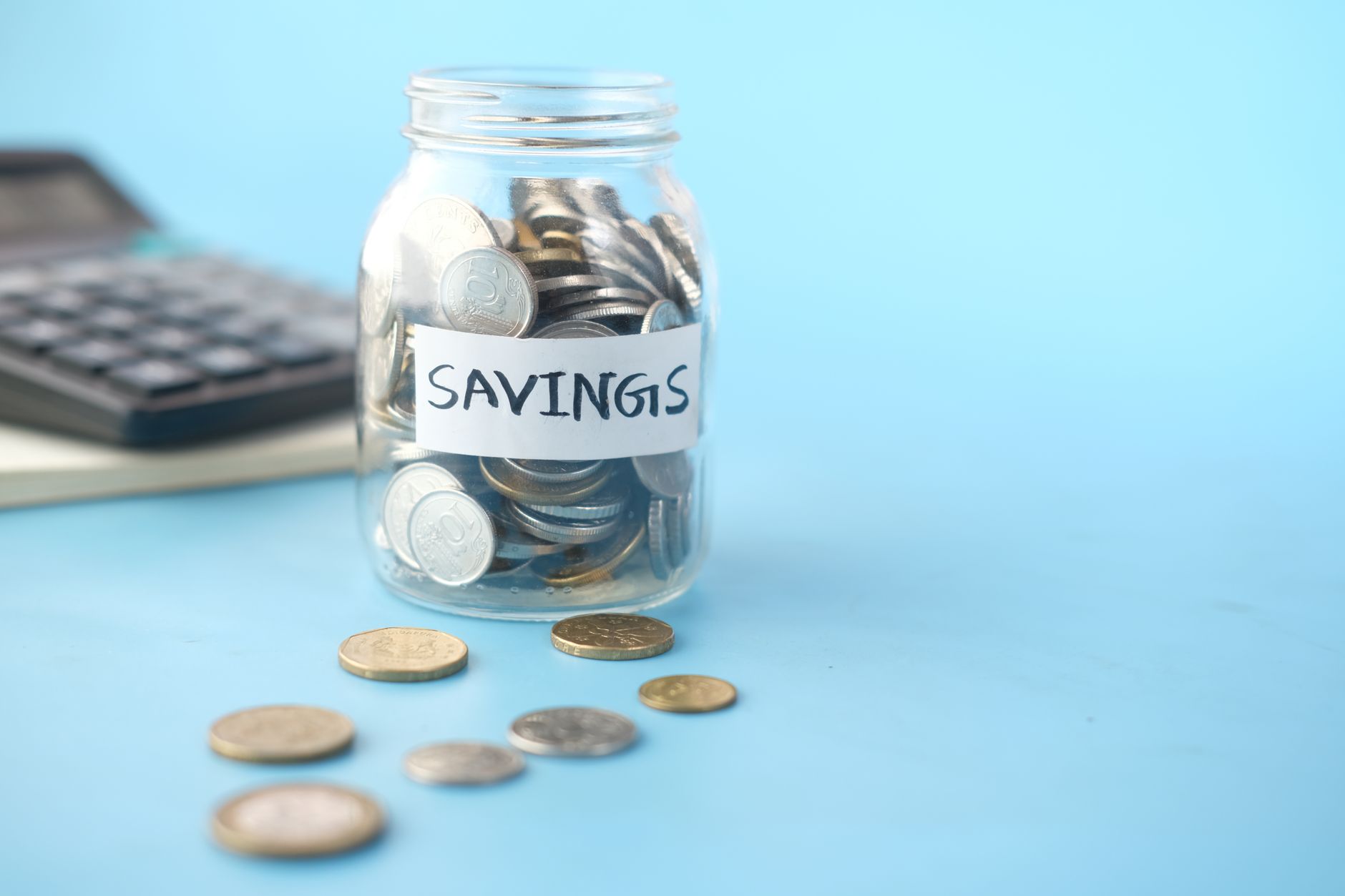
Write down your target amount and deadline where you’ll see them regularly. Place a note on your bathroom mirror, set a phone reminder, or add the figure to your calendar. Visual cues reinforce commitment and help resist impulse purchases that derail progress. This constant awareness transforms an abstract goal into something tangible that guides daily spending decisions.
Opening a Dedicated Travel Account
Mixing travel savings with your regular checking account creates temptation and makes tracking progress difficult. Open a separate savings account specifically for your trip, preferably one that offers a competitive interest rate. Many online banks provide accounts with no monthly fees and easy transfer options, allowing you to move money automatically from each paycheck.
Automate transfers the day after you receive income, treating the deposit like any other recurring bill. Even $50 per paycheck accumulates meaningfully over time. If you’re paid biweekly and transfer $100 each cycle, you’ll save $2,600 in a year without thinking about it. Automation removes the decision-making process and ensures consistency, which matters more than occasionally depositing larger amounts.
Label the account with your destination’s name or a motivational phrase that reminds you why you’re saving. Seeing “Iceland Fund” or “Japan 2027” on your banking app creates an emotional connection to the goal. Some people go further and set the account’s profile picture to an image of their destination, turning each login into a visual reminder of what they’re working toward.
Finding Extra Money Without Major Sacrifice
Most households have opportunities to redirect spending without dramatically changing their lifestyle. Review subscription services and cancel those rarely used. A streaming platform you watch once a month, a gym membership when you prefer outdoor running, or a magazine subscription that piles up unread each represents money better spent on travel.
Food spending offers significant savings potential. Preparing lunch at home instead of buying it daily can save $10 or more per workday, totaling over $2,500 annually for someone working full-time. Brewing coffee at home rather than stopping at a cafe saves another $4 to $6 daily. Building a real savings plan often involves these small daily choices that compound over months.
Consider side income opportunities that match your skills and available time. Freelance work, selling unused items, or taking on occasional gig economy tasks can accelerate savings without requiring a permanent second job. Even an extra $200 per month from weekend projects adds $2,400 to your travel fund over a year, potentially covering all your accommodation costs.
Tracking Spending to Reveal Savings Opportunities
Use a budgeting app or spreadsheet to record all expenses for one month. The exercise reveals spending patterns you might not notice otherwise. Many people discover they spend much more on convenience purchases, entertainment, or dining out than they realized. Once you see where money goes, you can make informed decisions about what to reduce.
Calculate the trade-off value of purchases in terms of travel days. If your daily travel budget is $100, that $50 takeout order represents half a day of your trip. Framing expenses this way doesn’t mean never enjoying yourself now, but it helps evaluate whether each purchase brings more value than extending your adventure.
Balancing Travel Savings With Other Financial Goals
Travel should complement your financial life, not jeopardize it. Before aggressively saving for a trip, ensure you have an emergency fund covering at least three months of essential expenses. Saving for a big trip without destroying other financial goals requires maintaining contributions to retirement accounts and continuing to pay down high-interest debt.
If you’re contributing to a retirement account with an employer match, never reduce those contributions to save for travel. The match represents free money and long-term compound growth that vastly outweighs a vacation’s temporary enjoyment. Similarly, prioritize paying off credit card debt before funneling money into a trip fund, since interest charges typically exceed any interest your savings account earns.
Create a hierarchy for your money: emergency fund first, high-interest debt second, retirement contributions third, and travel savings fourth. Once the foundational elements are secure, you can allocate funds toward your trip with confidence that you’re not compromising future financial stability for present enjoyment.
Adjusting Your Plan as Circumstances Change
Life rarely follows a perfectly straight path. Job changes, unexpected expenses, or family situations may require temporarily pausing travel savings. Rather than abandoning the goal entirely, adjust your timeline or reduce monthly contributions. Saving $75 instead of $150 still builds your fund, just at a slower pace.
Conversely, windfalls like tax refunds, bonuses, or monetary gifts present opportunities to accelerate progress. Allocate a portion of these unexpected funds to your travel account, instantly shrinking the time until departure. Even directing half of a $1,200 tax refund toward your trip removes three or four months from your savings timeline.
Review your progress quarterly and celebrate milestones. When you reach 25% of your goal, acknowledge the achievement. At 50%, start researching specific hotels or activities. These checkpoints maintain motivation during the long middle period when the finish line still seems distant but you’ve moved well beyond the starting point.
Summary
Saving for a significant trip demands realistic planning, consistent execution, and patience to let small contributions accumulate into meaningful totals. By calculating an accurate budget, automating transfers to a dedicated account, and identifying painless ways to redirect spending, you create a sustainable system that builds your travel fund without requiring dramatic lifestyle changes. The process teaches valuable financial discipline that extends beyond travel, improving overall money management skills. Balancing trip savings with emergency funds, debt reduction, and retirement contributions ensures that pursuing adventure doesn’t compromise long-term financial health. While the timeline may span many months, watching your account grow provides tangible evidence that your dream destination is becoming increasingly attainable. The trip itself becomes more rewarding when you know it resulted from deliberate planning and sacrifice rather than impulse spending or debt.
FAQs
How much should I save monthly for a big trip?
Divide your total trip cost by the number of months until departure. A $3,000 trip in 15 months requires $200 monthly. Adjust this figure based on your income and existing financial obligations, extending the timeline if necessary to reach a manageable monthly amount.
Should I use a regular savings account or something else for travel funds?
A high-yield savings account works well because it offers liquidity, FDIC insurance, and better interest rates than standard savings accounts. Avoid investment accounts for short-term travel goals since market volatility could reduce your balance right before you need the money.
Can I save for travel while paying off debt?
Focus on high-interest debt first, as interest charges typically exceed any savings account earnings. Once you’ve eliminated credit card debt, you can split available funds between remaining lower-interest debt and travel savings, though retirement contributions should remain consistent throughout.
What if an emergency depletes my travel savings?
If you must use travel funds for a genuine emergency, accept the setback without guilt. Rebuild the account once you’ve stabilized the situation, adjusting your travel timeline accordingly. This scenario reinforces why maintaining a separate emergency fund matters before aggressively saving for discretionary goals.
How can I stay motivated during a long savings period?
Track progress visually with a chart, regularly review photos of your destination, and celebrate percentage milestones. Share your goal with supportive friends who will encourage you and help you resist spending temptations. Consider planning smaller, less expensive trips while saving to maintain your enthusiasm for travel.