
Mediterranean Approach to Everyday Eating Guide 2026
The Mediterranean approach to everyday eating has earned recognition as one of the most sustainable and health-focused ways to structure daily meals. Rather than imposing strict calorie counts or eliminating entire food groups, this pattern draws from the traditional culinary practices of Greece, Italy, Spain, and other countries surrounding the Mediterranean Sea. What sets this approach apart is its emphasis on whole foods, plant-based ingredients, and the social dimension of sharing meals with others. It represents a shift from viewing food purely as fuel to understanding eating as a cultural practice that nourishes both body and community.
Building Meals Around Plant Foods and Whole Grains
The foundation of Mediterranean eating centers on vegetables, fruits, whole grains, legumes, nuts, and seeds. These plant-based foods appear at nearly every meal, not as side dishes but as the main attraction. Fresh tomatoes, eggplant, zucchini, leafy greens, citrus fruits, and seasonal produce form the backbone of most dishes. Whole grains like farro, bulgur, and barley provide sustained energy without the blood sugar spikes associated with refined carbohydrates.
Legumes such as chickpeas, lentils, and white beans contribute protein, fiber, and minerals while remaining affordable and shelf-stable. These ingredients appear in soups, stews, salads, and spreads throughout Mediterranean cultures. The variety ensures that meals never feel monotonous, and the natural flavors of these ingredients shine when prepared simply with herbs, garlic, and quality olive oil.
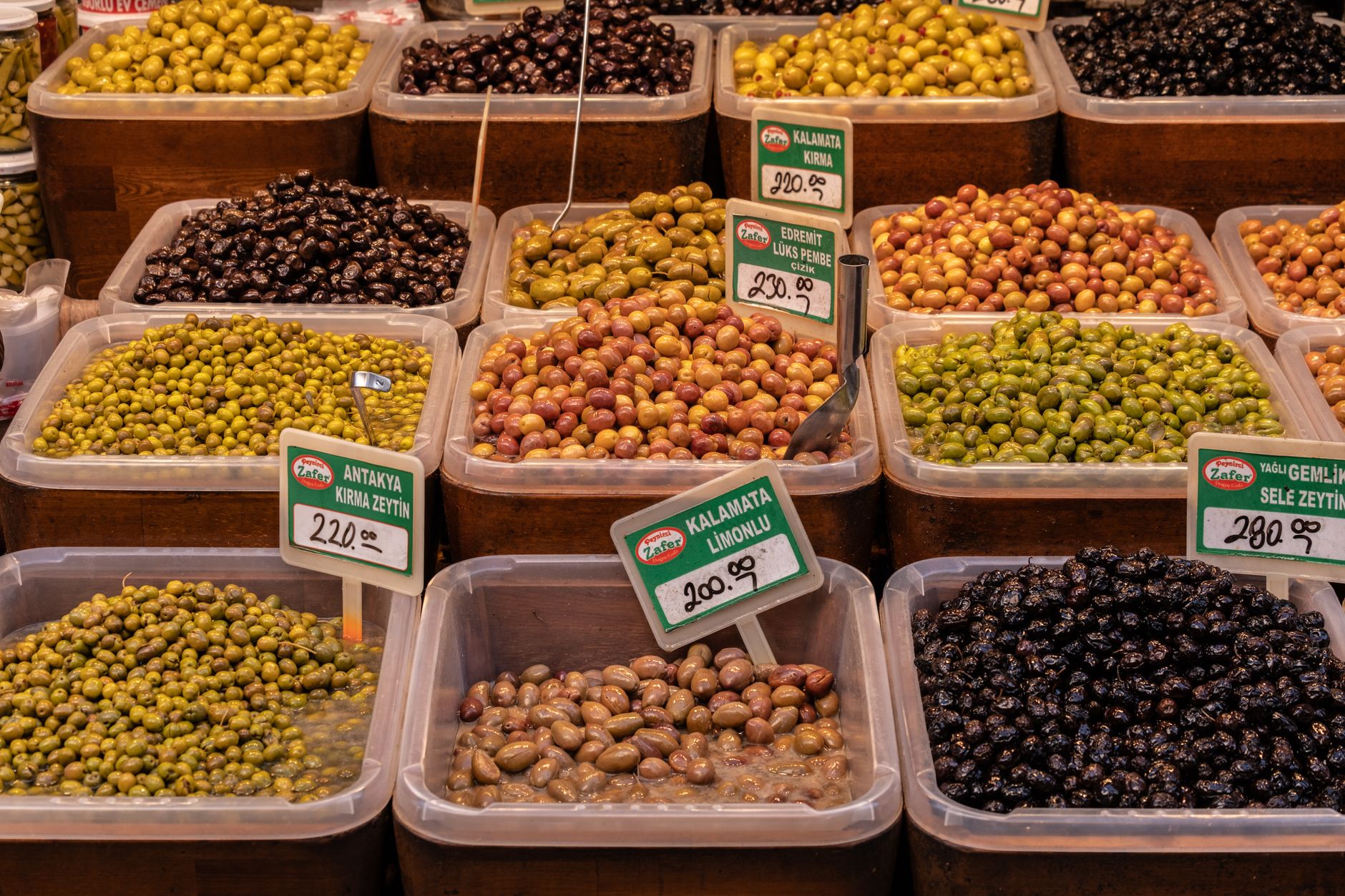
This plant-forward structure does not eliminate animal products but relegates them to smaller portions or less frequent appearances. Fish and seafood take priority over red meat, typically consumed a few times per week rather than daily. Poultry appears in moderation, while red meat becomes an occasional choice rather than a daily staple. This balance supports both personal health and environmental sustainability without requiring complete elimination of familiar proteins.
Extra Virgin Olive Oil as the Primary Fat Source
Extra virgin olive oil serves as the cornerstone fat in Mediterranean cooking, replacing butter, margarine, and heavily processed oils. This cold-pressed oil retains natural antioxidants and compounds that support cardiovascular function. The flavor varies depending on the olive variety and region, ranging from mild and buttery to robust and peppery, allowing cooks to select oils that complement specific dishes.
The oil appears in nearly every preparation method: drizzled over finished dishes, whisked into salad dressings, used for gentle sautéing, or mixed into dips and spreads. Unlike diets that treat all fats as problematic, the Mediterranean pattern recognizes quality fats as essential for nutrient absorption, satiety, and overall well-being. The key lies in choosing minimally processed sources rather than hydrogenated or trans fats.
Many people initially hesitate at the generous use of olive oil, concerned about caloric density. The Mediterranean approach addresses this by using olive oil to replace less healthy fats rather than adding it on top of existing fat sources. The oil also contributes to the satisfying nature of meals, reducing the tendency to overeat or seek out processed snacks later.
Making Meals a Social and Mindful Experience
Beyond the specific foods consumed, the Mediterranean approach emphasizes how people eat. Meals typically unfold over longer periods, with multiple courses served sequentially rather than piled onto a single plate. This pacing allows the body’s natural satiety signals to register, preventing the rushed overeating common in fast-paced environments. Sitting down at a table, setting aside devices, and focusing on the food creates space for genuine enjoyment and awareness.
Sharing meals with family and friends transforms eating from a solitary task into a social event. Conversations extend the duration of meals naturally, and the presence of others encourages moderation and mindfulness. This social dimension has measurable effects on both mental health and dietary patterns, as people tend to make more balanced choices when eating in company rather than alone.
The optional inclusion of red wine, typically consumed in moderate amounts with meals, reflects this social aspect. When wine appears, it accompanies food rather than serving as a standalone beverage. The cultural context matters: wine in Mediterranean regions traditionally means a glass with dinner, not heavy drinking or consumption outside of meals. For those who prefer to avoid alcohol entirely, this component remains completely optional without diminishing the overall approach.
Practical Implementation in Modern Routines
Adopting Mediterranean eating patterns does not require relocating to the coast of Greece or purchasing expensive specialty ingredients. The principles translate well to any location with access to basic whole foods. Start by increasing the proportion of vegetables and whole grains at each meal, gradually shifting animal proteins to smaller portions or less frequent appearances. Stock the pantry with dried legumes, whole grain pasta, canned tomatoes, and quality olive oil as foundational items.
Meal preparation benefits from batch cooking certain components. Cooking a large pot of beans or whole grains at the beginning of the week provides ready ingredients for quick assembly throughout busy days. Chopping vegetables in advance, preparing homemade hummus or tzatziki, or roasting a tray of seasonal vegetables creates building blocks that transform into different meals without requiring extensive daily cooking.
The flexibility of this approach accommodates various schedules, budgets, and cooking skill levels. A simple Mediterranean-style meal might consist of a large salad with chickpeas and feta, whole grain bread, and olive oil for dipping. Another option could feature whole wheat pasta with sautéed vegetables, white beans, and garlic. Fish can be prepared quickly by baking with lemon and herbs, served alongside roasted potatoes and greens. The emphasis remains on whole ingredients prepared simply rather than complex recipes requiring specialized techniques.
Shopping patterns shift toward the perimeter of grocery stores, where fresh produce, fish, and whole foods typically reside, while reducing reliance on heavily processed center aisles. Farmers markets and seasonal shopping align naturally with Mediterranean principles, offering fresher ingredients at lower costs while supporting local agriculture. Frozen vegetables and fish provide convenient alternatives when fresh options are unavailable or impractical.
Summary
The Mediterranean approach to everyday eating provides a sustainable framework built on whole plant foods, quality fats, moderate protein portions, and the social dimension of shared meals. Unlike restrictive diets that eliminate entire categories or demand precise measurements, this pattern emphasizes abundance and variety within a general structure. The focus on minimally processed ingredients, seasonal produce, and traditional preparation methods creates satisfying meals that support long-term health without requiring constant willpower or deprivation.
What makes this approach particularly durable is its cultural foundation. Rather than being designed by nutritionists in laboratories, it evolved over generations in real communities where food served both nutritional and social functions. This heritage means the pattern accommodates human preferences for flavor, variety, and communal eating rather than fighting against them. The result is an eating style that people can maintain for years rather than abandoning after a few weeks of unsustainable restriction.
FAQs
Can the Mediterranean approach work for weight management?
The Mediterranean pattern supports weight management through its emphasis on whole, minimally processed foods that provide satiety without excessive calories. The focus on vegetables, legumes, and whole grains creates filling meals while the social, mindful eating practices help prevent overconsumption. Rather than producing rapid weight loss, this approach supports gradual, sustainable changes that maintain long-term results.
How much does it cost to eat Mediterranean-style?
Mediterranean eating can fit various budgets because it relies heavily on affordable staples like beans, lentils, whole grains, and seasonal vegetables. Quality olive oil represents the main premium ingredient, but a bottle lasts many meals when used appropriately. Fish and seafood costs vary by location, but the pattern requires only moderate amounts. Shopping seasonally and using frozen options further controls expenses.
Do I need to give up meat completely?
The Mediterranean approach does not eliminate meat but treats it as an occasional component rather than the center of every meal. Red meat appears less frequently, while fish and poultry take priority when animal proteins are included. Many people following this pattern still enjoy meat a few times per week, just in smaller portions alongside abundant vegetables and whole grains.
What about dairy products in Mediterranean eating?
Traditional Mediterranean diets include moderate amounts of dairy, primarily in the form of yogurt and cheese like feta, pecorino, or manchego. These appear as flavor accents or protein sources rather than as large portions at every meal. The fermentation process in yogurt and aged cheeses may offer digestive benefits, and these dairy products typically come from sheep or goat milk in traditional Mediterranean regions.
How quickly can someone transition to this eating pattern?
The transition timeline varies based on current habits and personal preferences. Some people make an immediate switch, while others prefer gradual changes like adding more vegetables to existing meals or replacing butter with olive oil over several weeks. The flexibility of the Mediterranean approach allows for either strategy, and there is no requirement for perfection. Even partial adoption of these principles provides benefits compared to highly processed eating patterns.