Italian Slow Living: Simple Weekly Practices for 2026
The modern world runs on productivity metrics, packed calendars, and the constant pressure to do more in less time. While efficiency has its place, many people find themselves yearning for a different rhythm – one that values presence over productivity and connection over convenience. Italian slow living offers a refreshing alternative, rooted in centuries of tradition and built around the simple pleasure of savoring life’s everyday moments. This approach doesn’t require relocating to Tuscany or abandoning your responsibilities. Instead, it invites you to weave small, intentional practices into your existing routine, creating space for genuine enjoyment and meaningful connection without upending your entire life.
The Philosophy Behind Italian Slow Living
At the heart of Italian slow living lies the concept of il dolce far niente, which translates to “the sweetness of doing nothing.” This phrase captures a distinctly Italian appreciation for moments of pure relaxation and presence, free from the guilt that often accompanies rest in productivity-driven cultures. It’s not about laziness or avoiding responsibilities – rather, it’s about recognizing that restoration and pleasure have inherent value.
The practice of prioritizing quality over quantity extends beyond time management into every aspect of daily life. Italians traditionally choose fresh, local ingredients over processed convenience foods, invest in well-made items that last rather than disposable alternatives, and build relationships through regular, unhurried interaction rather than quick digital exchanges.
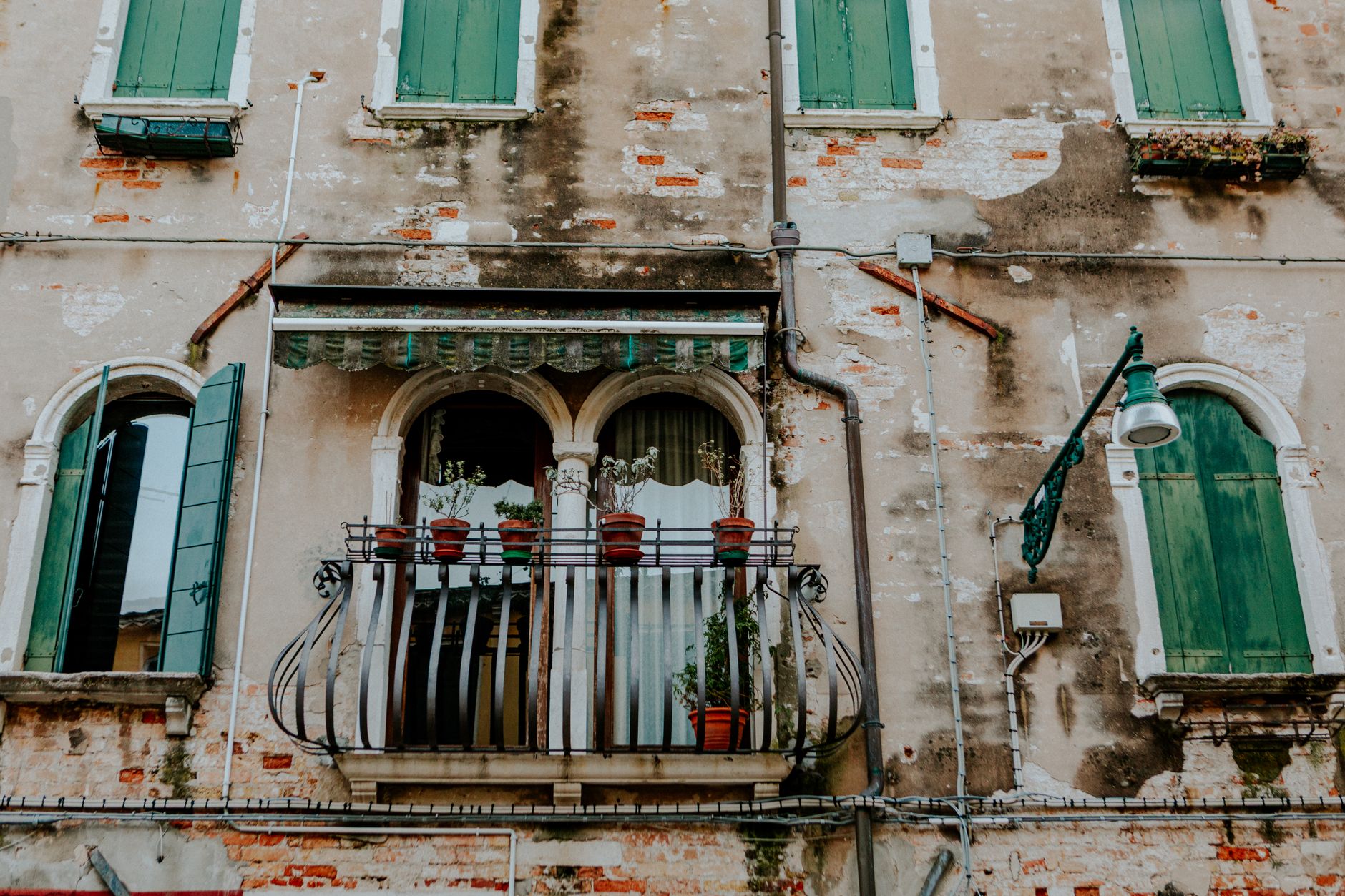
This philosophy emerged from a culture where family meals serve as daily anchors, where neighborhoods function as extended communities, and where the rhythm of seasons still influences what appears on dinner tables. The Slow Food movement, founded in Italy by Carlo Petrini in the 1980s, formalized many of these traditional values into a framework promoting local culinary traditions, ethical consumption, and the practice of truly savoring food – a direct counter to the spread of fast food culture.
Practical Ways to Incorporate Slow Living Into Your Week
The passeggiata, an unhurried evening stroll common throughout Italy, offers one of the simplest entry points into slow living. This isn’t exercise disguised as leisure – it’s a deliberate practice of moving through your environment without a destination or timeline. Try designating two or three evenings each week for a walk with no goal beyond observation and presence. Leave your phone in your pocket, notice architectural details you’ve overlooked, greet neighbors, and allow yourself to move at a pace that feels genuinely relaxed rather than efficient.
Transforming at least one meal per week into an extended, screen-free gathering creates another touchpoint with Italian slow living principles. Savoring meals slowly with family and friends stands as a cornerstone of this lifestyle, with dinners often extending for multiple hours. This doesn’t mean elaborate cooking – even simple pasta with fresh vegetables becomes special when eaten at an unhurried pace, with conversation that flows naturally because there’s no pressure to finish quickly.
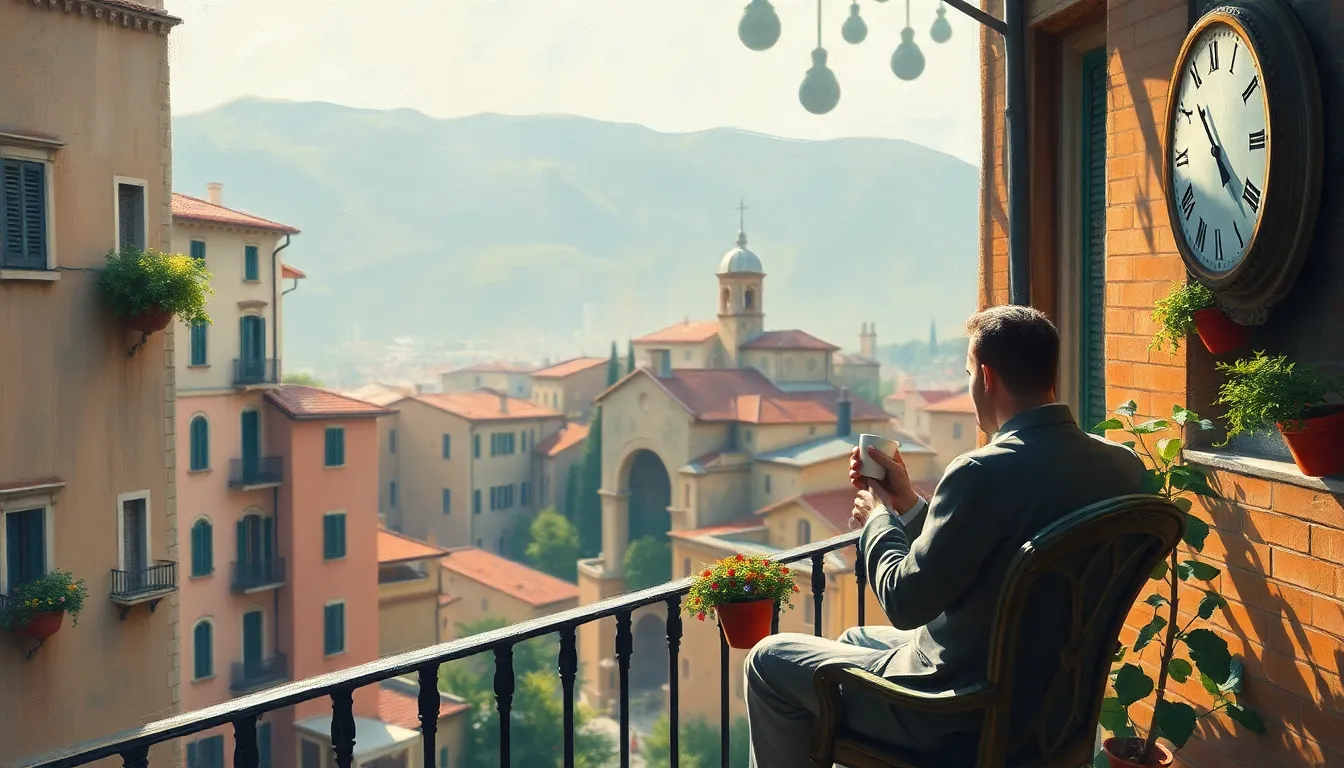
Setting aside dedicated time for il dolce far niente requires intentionality in cultures that treat busyness as a virtue. Block out thirty minutes several times a week with nothing scheduled – not meditation, not reading for self-improvement, just sitting with a coffee or standing on your balcony, allowing thoughts to come and go without directing them toward productivity.
Shifting Your Relationship With Time and Consumption
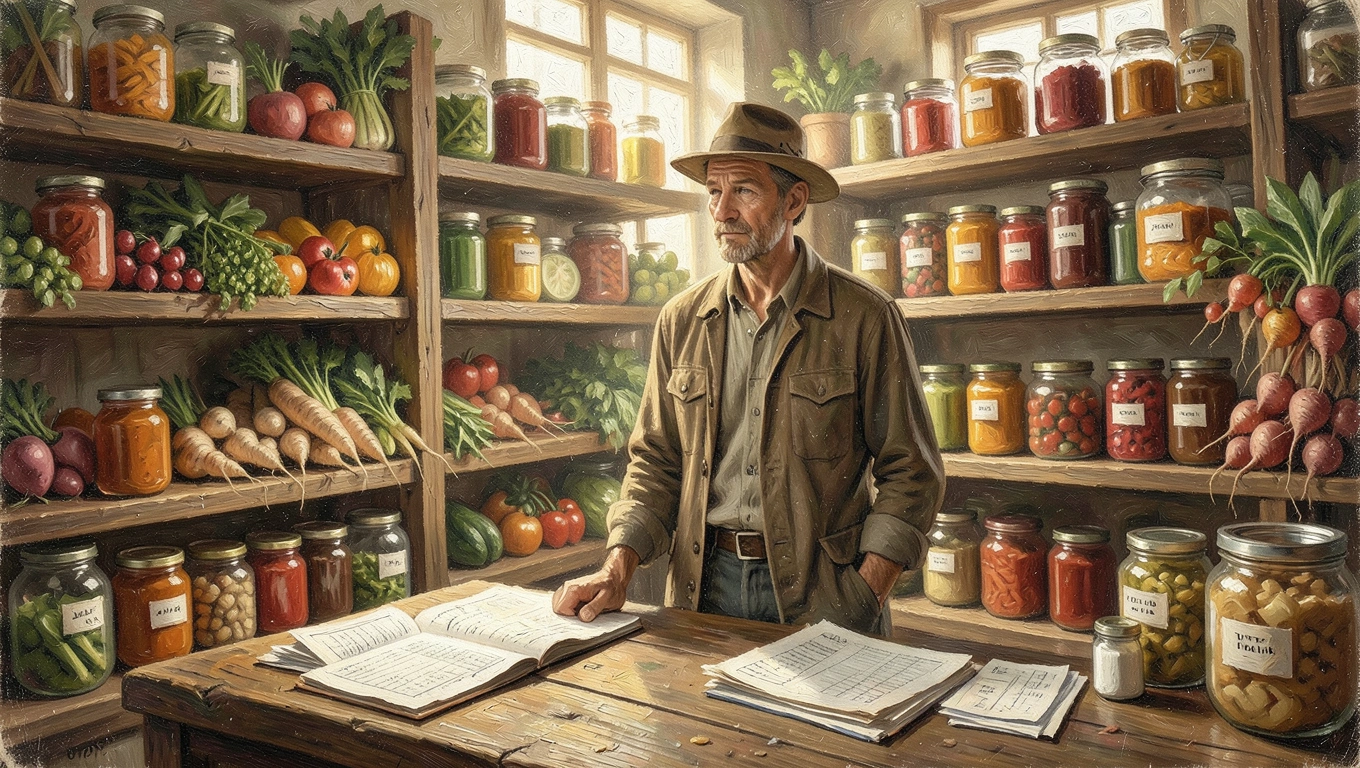
Italian slow living challenges the assumption that faster always means better. When you shop for ingredients, visiting a farmers market or local grocer instead of defaulting to the quickest option creates opportunities for conversation with vendors, seasonal awareness, and more thoughtful meal planning. The extra fifteen minutes spent selecting produce becomes part of the experience rather than an inconvenience.
The quality-over-quantity principle applies equally to possessions and commitments. Before adding something new to your calendar or your home, Italian slow living invites you to ask whether it genuinely enhances your life or simply fills space. This might mean owning fewer kitchen tools but investing in ones that work beautifully, or saying no to social obligations that feel draining rather than nourishing.
Building regular pauses into your workday mirrors the Italian approach to sustainable productivity. Rather than pushing through fatigue, step away from your desk for a genuine break – not to scroll through your phone, but to rest your eyes, stretch, or step outside. These intervals aren’t stolen from productivity; they support clearer thinking and better decision-making when you return to tasks.
Creating Community Through Slow Living Practices
Italian slow living thrives on regular, face-to-face interaction within communities. The passeggiata serves partly as a social ritual, where neighbors encounter each other naturally, maintaining connections without formal plans. You can create similar touchpoints by frequenting the same local businesses, chatting with regular cashiers, or establishing a weekly coffee routine at a neighborhood cafe where staff begin to recognize you.
Hosting simple, recurring gatherings – a monthly Sunday lunch, a weekly aperitivo hour – builds the kind of ongoing connection that characterizes Italian social life. These don’t need elaborate preparation. Set a regular time, keep the food straightforward, and let conversation unfold without entertainment or structured activities. The consistency matters more than the production value.
Engaging with local food systems through community supported agriculture programs, cooking co-ops, or neighborhood gardens connects you to both place and people while embodying slow living values. These activities root you in seasonal rhythms and create natural opportunities for the kind of casual, repeated interaction that builds genuine community bonds.
Summary
Bringing Italian slow living into your week doesn’t require dramatic lifestyle changes or geographic relocation. It starts with small, deliberate choices that prioritize presence, quality, and genuine connection over speed and efficiency. Whether through unhurried evening walks, extended meals with loved ones, or simply allowing yourself moments of il dolce far niente, these practices create space for the satisfaction that comes from fully experiencing rather than constantly doing. The Italian approach reminds us that life’s richness often emerges not from adding more but from engaging more deeply with what’s already present. By weaving even a few of these principles into your existing routine, you create pockets of ease and enjoyment that can fundamentally shift your experience of daily life, proving that slow living isn’t about doing less – it’s about living more intentionally within the life you already have.
FAQs
Do I need to cook Italian food to practice Italian slow living?
No, Italian slow living focuses on how you approach food rather than what cuisine you cook. The principles apply regardless of culinary tradition – choosing fresh, local ingredients, preparing food with attention, and eating without rushing transfers to any type of cooking. What matters is the quality of ingredients, the care in preparation, and the practice of savoring meals rather than treating them as fuel stops.
How can I practice slow living with a demanding work schedule?
Italian slow living works within real constraints rather than requiring complete schedule overhauls. Start with one unhurried meal per week, a single evening walk, or ten minutes of il dolce far niente during your lunch break. These small practices create meaningful shifts in how you experience your week. Even people in Italy balance work demands with slow living principles by protecting specific rituals rather than attempting to slow down everything.
What’s the difference between slow living and laziness?
Slow living involves intentional choices about where to invest time and attention, while laziness typically means avoiding effort altogether. Italian slow living often requires more effort than convenience culture – shopping at multiple stores for quality ingredients, cooking from scratch, maintaining face-to-face relationships. The difference lies in choosing meaningful engagement over efficient completion, not in avoiding responsibility or work.
Can I practice slow living in a city or does it require a rural setting?
Italian slow living thrives in cities throughout Italy, where the passeggiata fills urban sidewalks and neighborhood trattorias serve as community gathering spots. Urban environments often support slow living better than isolated suburban settings because they offer walkable neighborhoods, local markets, and dense social networks. The key is engaging with your immediate community and local resources rather than seeking a particular landscape.
How does slow living relate to the Slow Food movement?
The Slow Food movement, founded by Carlo Petrini in the 1980s, formalized traditional Italian food values into an organized framework promoting local culinary traditions, ethical consumption, and savoring meals. While Slow Food focuses specifically on food systems and eating practices, slow living extends these same principles – valuing quality, tradition, and mindful engagement – into other aspects of daily life including work, relationships, and leisure time.