
Planning a Day in a Big Art Museum Without Burning Out
Walking through the grand entrance of a major art museum can feel exhilarating and overwhelming in equal measure. The prospect of encountering centuries of masterworks under one roof draws millions of visitors each year, but the reality of navigating vast galleries, processing visual information, and standing for hours on hard floors can quickly transform enthusiasm into exhaustion. Museum fatigue is a well-documented phenomenon that affects even the most passionate art lovers. The challenge lies not in avoiding these institutions but in approaching them strategically. With thoughtful planning and realistic expectations, you can create a meaningful museum experience that leaves you inspired rather than depleted.
Understanding Museum Fatigue and Why It Happens
The concept of museum fatigue has been studied for over a century. A 1916 article by Benjamin Ives Gilman in The Scientific Monthly explored how the physical demands of navigating gallery spaces contribute to visitor exhaustion. His research initially focused on the architectural and spatial challenges museums present, but subsequent studies have expanded our understanding considerably.
Modern research recognizes that museum fatigue results from a combination of physical and cognitive factors. The physical component is straightforward: large museums require extensive walking and standing, often on hard marble or concrete floors that offer little cushioning. Many visitors underestimate the distances involved, with some major institutions spanning the equivalent of several city blocks across multiple floors.
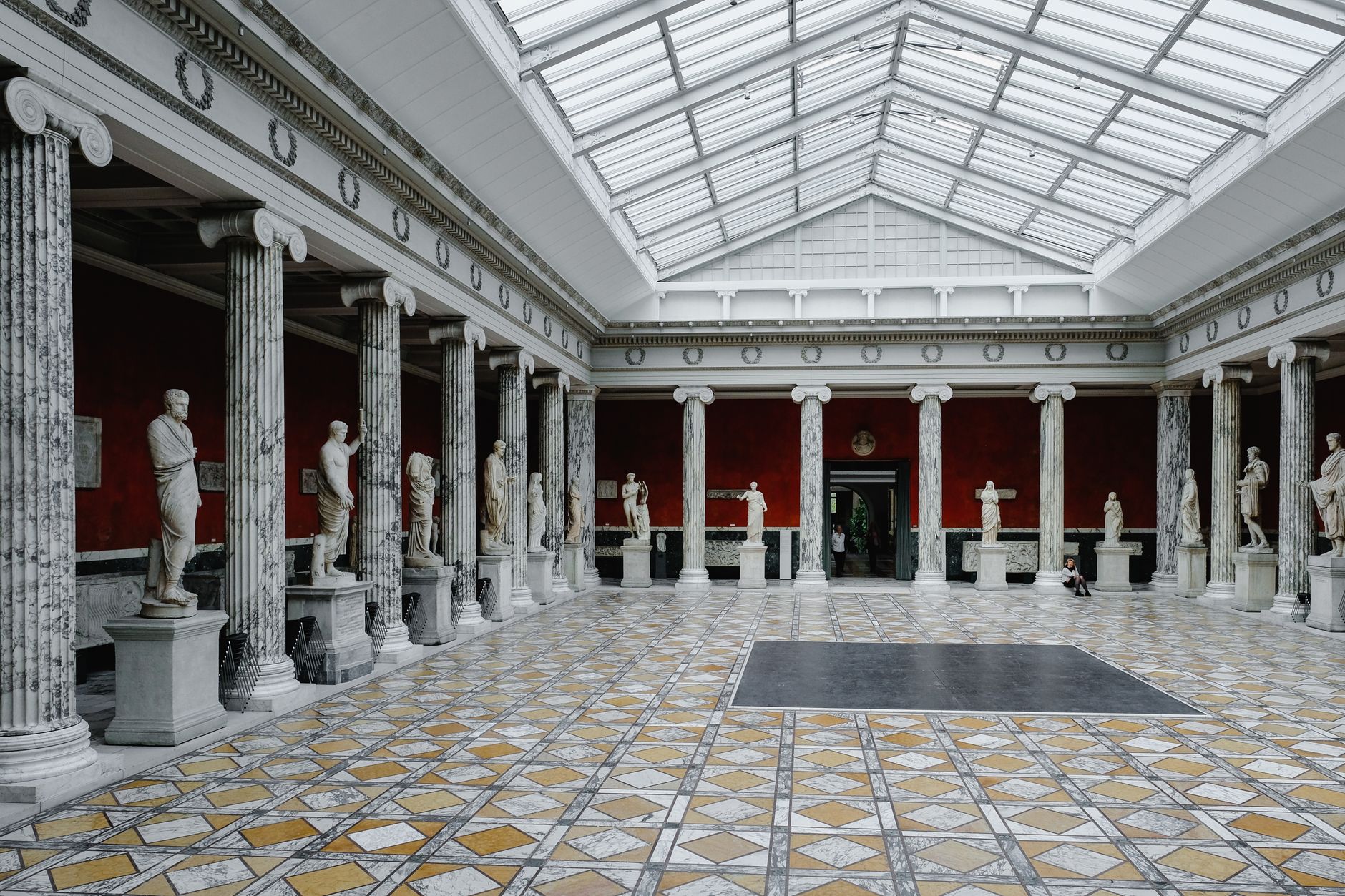
The cognitive aspect is equally significant. Museums present an overwhelming amount of visual and written information. Each artwork demands attention, interpretation, and emotional processing. Reading wall labels, listening to audio guides, and attempting to absorb historical context adds layers of mental effort. This sustained cognitive load accumulates throughout the day, creating a cumulative effect that researchers describe as information overload.
The combination of these factors explains why visitors often feel more drained after a museum visit than after a comparable amount of time spent on other activities. Recognizing these mechanisms allows you to plan countermeasures that address both the physical and mental dimensions of museum fatigue.
Strategic Planning Before You Arrive
The foundation of a successful museum day begins before you step through the doors. Most museum burnout stems from unrealistic expectations about what can be accomplished in a single visit. Attempting to see everything in a large museum is not only impossible but counterproductive.
Focusing on a few key areas rather than trying to see everything allows for deeper engagement with the works that matter most to you. Before your visit, review the museum’s collection online and identify specific galleries, periods, or artists you want to prioritize. Most major museums provide detailed floor plans and collection highlights on their websites.
Timing your visit strategically can significantly impact your experience. Weekday mornings or late afternoons typically see smaller crowds than weekends or midday periods. Booking tickets in advance online eliminates waiting in entry lines and gives you more control over your schedule. Some museums offer extended hours on certain evenings, providing a quieter alternative to peak periods.
Consider limiting your visit to one museum per day. Breaking up your time with meals or other cultural activities prevents the sustained effort that leads to fatigue. If you are visiting a city with multiple museums, spread them across different days rather than attempting several in quick succession.
Pacing Your Museum Experience
Once inside, the way you move through the space matters as much as what you choose to see. The impulse to rush through galleries or stop at every piece creates the conditions for rapid burnout. Developing a sustainable pace requires conscious effort and a willingness to bypass works that do not capture your immediate interest.
Prioritize seeing what matters most to you early in your visit when your energy and attention are fresh. Museum fatigue is a cumulative effect, meaning your capacity for engagement diminishes as time passes. If there are specific masterworks or exhibitions you came to see, visit those galleries first rather than saving them for later.
Taking regular breaks is essential but often neglected. Most museums offer seating throughout the galleries and in lobby areas specifically for this purpose. Sitting for even a few minutes allows your feet to rest and gives your mind a chance to process what you have seen. Many museums also have cafes or outdoor spaces where you can step away from the visual stimulus entirely.
Do not feel obligated to read every label or engage with every piece. Museums present far more information than any single visitor can absorb. Focus on what truly interests you and allow yourself to walk past works that do not resonate. This selective approach is not a failure – it is the mark of an experienced museum visitor who understands their own limits.
Audio guides can enhance understanding but require careful use. While they provide valuable context, constantly listening to narration while viewing art creates its own form of cognitive overload. Consider using audio guides selectively for specific highlights rather than attempting to follow them through entire collections.
Physical Comfort and Practical Considerations
The physical demands of museum visiting are often underestimated until your feet begin to ache. Wearing comfortable shoes is not optional – it is the single most important factor in preventing physical fatigue. Museum visits involve hours of walking and standing on hard floors, and footwear that seems adequate for daily wear may prove inadequate for sustained museum touring.
Many visitors arrive at museums hungry or dehydrated, which accelerates fatigue. Eating a substantial meal before your visit and bringing a water bottle (if the museum permits) helps maintain energy levels. Most museums have cafes, but these can be crowded and expensive. Knowing your options in advance allows you to plan accordingly.
Dressing in layers provides flexibility as you move between different gallery environments. Some museums maintain cool temperatures to protect artworks, while others can feel warm when crowded. Being able to adjust your clothing prevents discomfort that can distract from the experience.
Consider the mental health benefits that museums offer as well. Healthcare professionals sometimes recommend museum visits as a form of treatment for mental health concerns, citing benefits like positive social interactions and calming experiences. Museums provide spaces to escape daily pressures, and their environment is thought to improve well-being through learning opportunities and self-esteem boosts. Approaching your visit with this perspective can shift your mindset from attempting to consume everything to allowing yourself to simply be present with art.
Summary
Planning a successful day at a large art museum requires acknowledging both the opportunities and the limitations inherent in these institutions. Museum fatigue is not a personal failing but a predictable response to the cognitive and physical demands these spaces present. By understanding the mechanisms behind this fatigue and implementing strategic countermeasures, you can create an experience that feels enriching rather than exhausting. The key lies in embracing selectivity over completeness, planning your approach before arrival, and maintaining a sustainable pace once inside. Comfortable footwear, regular breaks, and realistic expectations about what you can accomplish transform museum visiting from an endurance test into a genuinely rewarding cultural experience. The most successful museum visits are not those that cover the most ground but those that allow for meaningful engagement with the works that matter most to you. When you leave feeling inspired rather than depleted, you have succeeded in experiencing the museum as it was meant to be experienced.
FAQs
How long should I plan to spend at a large art museum?
Most visitors find that two to four hours provides enough time for a meaningful experience without excessive fatigue. This allows you to focus on specific galleries or collections while maintaining energy and attention. Attempting to spend an entire day at one museum typically leads to diminishing returns as cognitive and physical fatigue accumulate.
Should I use an audio guide or read all the wall labels?
Use audio guides selectively rather than attempting to follow them through entire collections. Reading every wall label contributes to information overload. Choose audio commentary or labels for pieces that genuinely interest you, and give yourself permission to simply look at works that catch your eye without seeking additional context.
What time of day is best for visiting major museums?
Weekday mornings shortly after opening and late afternoons tend to be less crowded than midday or weekend periods. Some museums offer extended evening hours that provide quieter viewing conditions. Checking the museum’s website for peak visiting times can help you plan accordingly.
How do I decide which galleries to visit in a large museum?
Review the museum’s collection online before your visit and identify specific periods, artists, or exhibitions that align with your interests. Prioritize these areas and accept that you will not see everything. Creating a short list of must-see works and galleries provides direction while allowing flexibility to explore what captures your attention.
Is it normal to feel overwhelmed or tired during museum visits?
Museum fatigue is a well-documented phenomenon that affects nearly all visitors to some degree. The combination of walking, standing, visual processing, and cognitive engagement creates cumulative exhaustion. Recognizing this as normal allows you to plan breaks and set realistic expectations rather than pushing through discomfort.