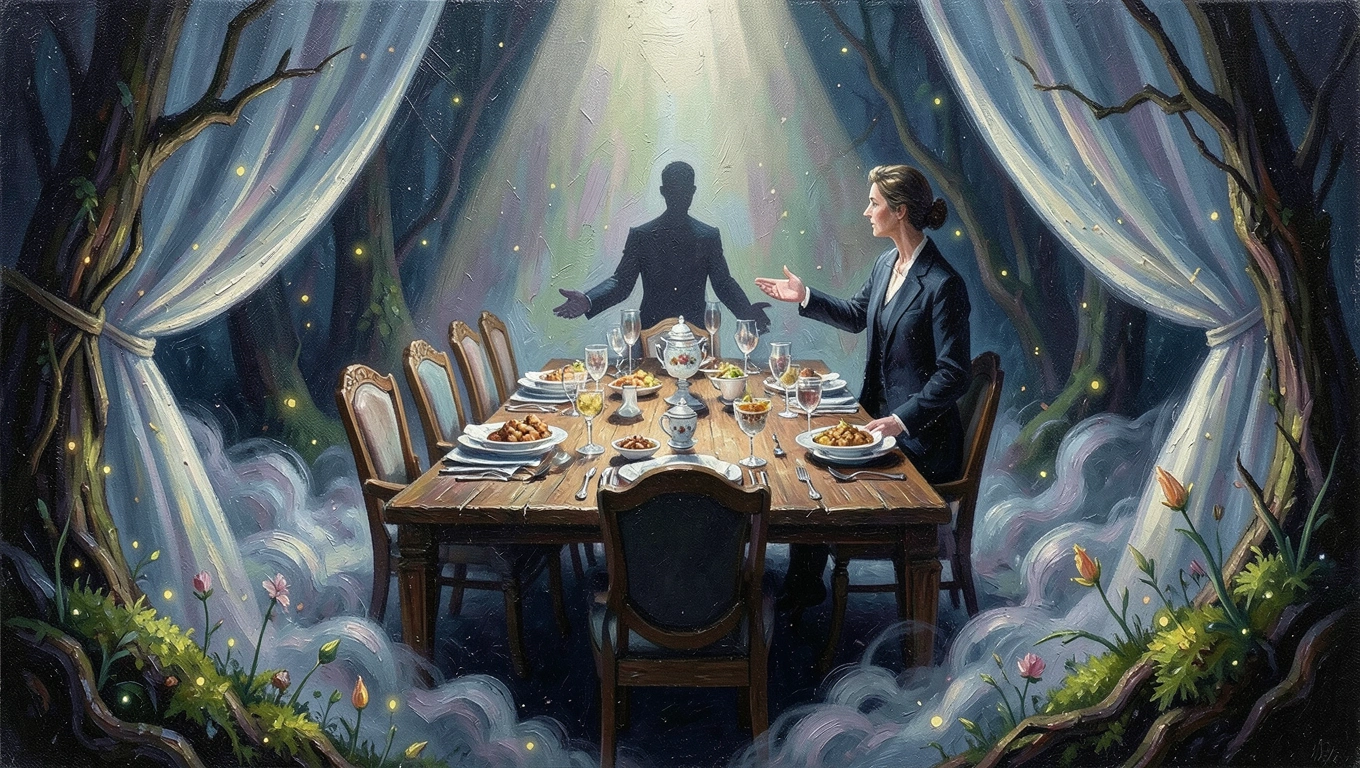
Dressing a Table for Dinner Like a Stage Set
Setting a dinner table transcends mere functionality. When approached with theatrical intention, it becomes an immersive experience that shapes mood, conversation, and memory. The principles that govern stage design – lighting, composition, focal points, and narrative flow – apply equally to the dining table. Understanding this connection transforms routine meal preparation into an opportunity for creative expression, whether hosting a formal dinner party or elevating an ordinary weeknight meal. The table becomes more than a surface for plates and glasses; it evolves into a carefully orchestrated environment where every element contributes to the overall atmosphere.
Historical Evolution of the Theatrical Table
The concept of elaborate table staging emerged prominently during the 1800s, when dining culture underwent dramatic transformation. Tables began featuring dishes arranged at varying heights, creating visual dimension and architectural interest. Heavy candelabras served as statement pieces, casting dramatic shadows and drawing the eye upward. This vertical layering principle mirrors theatrical set design, where depth and dimension create visual intrigue.
Flowers became an expected component of table decoration during this same period, particularly for significant gatherings. The practice reflected broader cultural shifts toward viewing meals as social performances rather than purely functional necessities. By the 1900s, themed table settings gained popularity, eventually spawning tablescape competitions where enthusiasts competed for recognition of their most creative designs.
The term “tablescaping” itself emerged from this tradition. This portmanteau of “table” and “landscaping” was coined in the 1960s by designer David Hicks and gained mainstream recognition when chef Sandra Lee popularized it in 2003. The terminology acknowledges what practitioners had long understood: dressing a table resembles creating a miniature landscape, complete with topography, focal points, and atmospheric elements that guide the viewer’s eye through a composed scene.
Design Principles Borrowed from the Stage
Stage designers manipulate space through deliberate choices about lighting, furniture placement, audiovisual elements, and decorative objects. These same considerations translate directly to table design. Lighting establishes mood; candlelight creates intimacy and warmth, while brighter overhead illumination suits casual daytime gatherings. The quality and direction of light shapes how diners perceive the space and interact with one another.
Composition matters as much on a tabletop as on a theatrical stage. The arrangement creates visual pathways that draw attention to specific areas – perhaps a centerpiece that serves as the “star” of the production, or place settings that frame each diner’s personal space like individual stages within the larger set. Height variation prevents monotony and creates the layered depth that makes scenes visually interesting. A low cluster of votives at varying levels proves more compelling than uniform candles at identical heights.
Color palette functions as emotional shorthand. Warm tones in reds, oranges, and golds evoke energy and celebration. Cool blues and greens suggest tranquility and formality. Neutral foundations in white, cream, or natural linen allow accent colors in napkins, flowers, or tableware to pop without overwhelming the composition. This approach mirrors costume and scenic design choices that establish tone before dialogue begins.
Texture adds tactile dimension that photographs cannot fully capture but diners immediately perceive. The contrast between smooth porcelain, rough-hewn wood, crisp linen, and soft florals creates sensory richness. These textural variations prevent visual flatness and invite closer inspection, much as stage sets use varied materials to create believable, three-dimensional environments rather than painted backdrops.
Narrative and Thematic Coherence
Successful theatrical productions maintain consistent narratives. The set, costumes, and props all reinforce the same story. Tables benefit from this same coherence. A coastal theme might incorporate blue and white linens, natural fiber placemats, shells as napkin holders, and simple white dishes that evoke seaside simplicity. Every element supports the central concept rather than competing for attention.
Themed settings work best when they suggest rather than announce. Subtlety prevents the table from feeling like a costume party. For an autumn gathering, burgundy napkins, brass candlesticks, and a low arrangement of seasonal branches and gourds establish the theme without requiring plastic pumpkins or artificial leaves. The setting whispers its intention rather than shouting it.
The dining experience itself carries inherent performative qualities. Food and eating transform into poetic, temporary experiences when approached with theatrical mindfulness. Courses arrive in sequence like acts in a play. Conversation ebbs and flows. Moments of surprise – an unexpected course, a dramatic dessert presentation – punctuate the evening like plot twists. The table setting establishes expectations for this unfolding narrative.
Consider Judy Chicago’s monumental artwork “The Dinner Party,” created between 1974 and 1979. This ceremonial banquet features 39 place settings, each commemorating an important woman from history. The installation demonstrates how table settings transcend decoration to become powerful artistic and narrative statements. While few home dinners aspire to museum-quality installations, the principle holds: tables communicate values, honor guests, and tell stories through deliberate design choices.
Practical Application Without Perfectionism
Theatrical table dressing need not require expensive purchases or hours of preparation. Start with foundation elements: a clean tablecloth or runner establishes the stage. Plain white dishes provide versatility, allowing other elements to shine without visual competition. Basic white plates work for any occasion, from casual to formal, and photograph beautifully regardless of surrounding colors.
Build interest through layering. Chargers beneath dinner plates add dimension. Napkins folded into simple shapes or tied with ribbon create individual focal points at each setting. A cluster of candles at varying heights in the table’s center draws the eye and provides that crucial vertical element that prevents flatness. These touches require minimal investment but maximum impact.
Fresh elements bring life to static tableaus. A few stems from the garden, grocery store flowers divided among small vessels, or even interesting branches in a simple vase add organic movement and natural color variation that manufactured decorations cannot match. The imperfection of natural materials – a slightly bent stem, leaves in varied sizes – creates authenticity that perfect artificial arrangements lack.
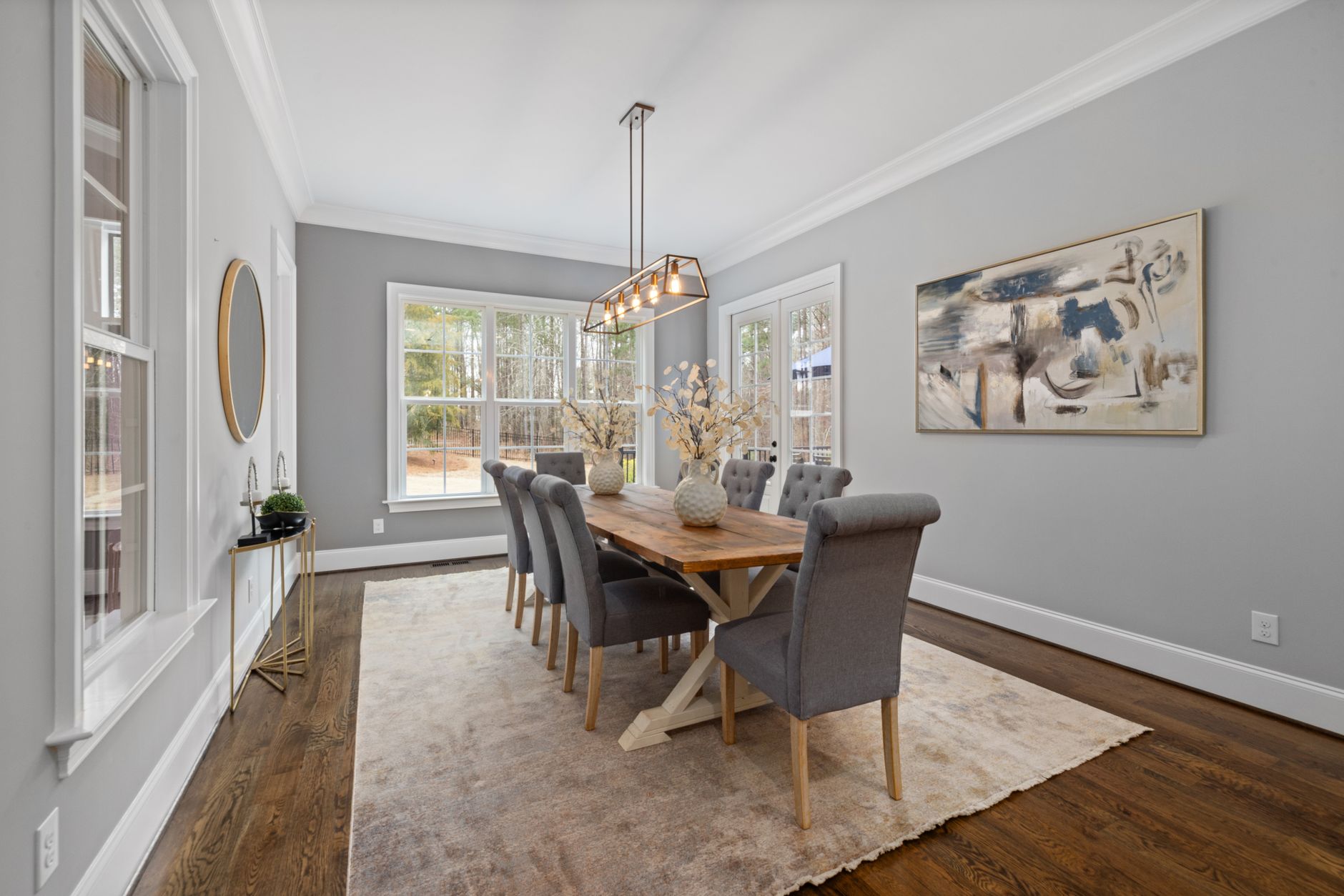
Context determines appropriate formality. When staging a home for sale, the table setting should match the room’s style and appeal to the target demographic. The same principle applies when hosting: consider your guests and occasion. A family Sunday dinner requires different staging than a anniversary celebration. Both deserve intention, but the execution varies based on context and audience.
One practical consideration from home staging applies to all table settings: skip the silverware when the table serves primarily decorative purposes. Staged homes often omit utensils because they present temptation for visitors. For actual dinners, of course, functional silverware matters, but the staging principle reminds us that not every surface element serves a practical function – some exist purely for visual effect.
Summary
Treating table design as theatrical staging elevates dining from routine to remarkable. The historical evolution from practical surfaces to artistic statements reflects broader cultural recognition that meals represent social performances deserving thoughtful staging. Principles borrowed from theater – lighting, composition, height variation, color coordination, and textural contrast – translate directly to tabletop design. Thematic coherence, whether subtle or pronounced, creates narrative unity that makes the experience memorable. Practical application requires neither extensive budgets nor professional expertise, only intentional choices about foundational elements, layering techniques, and natural accents. The most successful table settings balance aesthetic ambition with contextual appropriateness, recognizing that different occasions and audiences require different staging approaches. Ultimately, viewing the dinner table as a stage set acknowledges what hosts have long understood intuitively: the environment shapes the experience, and thoughtful design transforms ordinary gatherings into occasions worth remembering.
FAQs
What is the most important element in staging a dinner table?
Lighting serves as the foundation for any staged table. It sets mood more powerfully than any other single element. Candlelight creates intimacy for evening gatherings, while natural light suits daytime events. The quality, direction, and intensity of light shape how guests perceive the space and influences conversation dynamics throughout the meal.
How can I create a theatrical table setting on a limited budget?
Focus on foundational pieces that work across multiple occasions: plain white dishes, simple glassware, and neutral linens provide versatility. Add interest through free or low-cost elements like candles at varying heights, foraged natural materials from your yard, or creative napkin folding. Layering these basic components creates visual complexity without requiring significant investment.
Should every dinner table be formally staged?
Not every meal requires full theatrical treatment. The level of staging should match the occasion and your household rhythms. Weeknight family dinners might feature simple place settings and a single centerpiece element, while special occasions justify more elaborate arrangements. The key is intentionality rather than complexity – even minimal staging benefits from thoughtful choices.
What common mistakes do people make when staging dinner tables?
Overcrowding represents the most frequent error. Tables need functional space for serving dishes and dining comfort. Another common issue involves mismatched themes where competing elements create visual confusion rather than cohesion. Finally, many people neglect the vertical dimension, creating flat tableaux that lack the depth and interest that height variation provides.
How do professional event designers approach table staging differently than home hosts?
Professional designers typically work with larger budgets and specialized equipment, including professional lighting, custom linens, and rental inventory. However, their fundamental principles – creating focal points, establishing color harmony, layering textures, and maintaining thematic consistency – apply equally to home settings. The scale differs, but the underlying design philosophy translates directly to residential dining.