
Simple Pasta Sauces Made From Pantry Staples
A well-stocked pantry can be the foundation for countless satisfying pasta dinners, even when the refrigerator looks bare. The beauty of pantry-based pasta sauces lies in their simplicity and reliability. With a few shelf-stable ingredients like canned tomatoes, olive oil, dried herbs, and aromatics, anyone can create flavorful sauces that rival those made with fresh ingredients. These preparations have sustained home cooks for generations, offering both convenience and genuine taste. Understanding how to transform basic pantry items into rich, satisfying sauces means never being caught without dinner options.
The pantry approach to sauce-making is rooted in Italian cooking tradition, where resourcefulness and quality ingredients matter more than elaborate techniques. These sauces require minimal preparation time and showcase how proper technique can elevate humble ingredients into something memorable.
Building Blocks of Pantry Pasta Sauces
The foundation of most pantry pasta sauces begins with canned tomatoes. Canned tomatoes are preferred by many Italian cooks for sauces that require simmering, as they are picked and processed at peak ripeness, preserving their flavor. Whole peeled tomatoes, particularly San Marzano varieties, provide the most versatile base. The tomatoes can be crushed by hand or broken down during cooking, while the juice adds depth and body to the sauce.
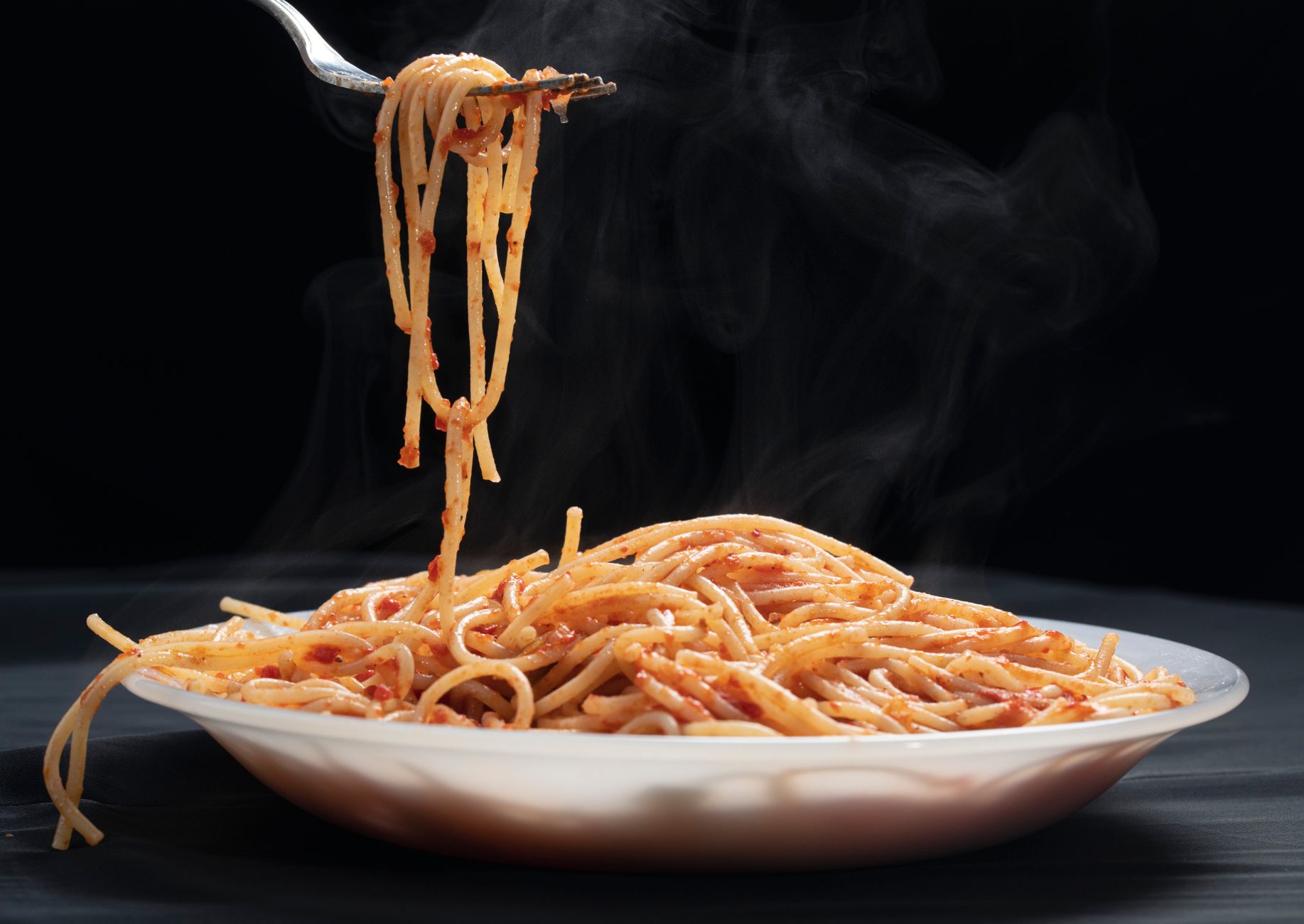
Olive oil serves as the essential fat in Italian-style sauces, used for sautéing aromatics and creating silky emulsions when combined with starchy pasta cooking water. The quality of olive oil matters, as its flavor becomes a prominent component of simpler sauces. Extra virgin olive oil works best for finishing dishes, while regular olive oil suits cooking applications where high heat is involved.
Garlic and onions, when stored properly in cool, dark places, can last weeks and provide the aromatic backbone for most sauces. Garlic sliced thin and cooked gently in oil creates a sweet, mellow base, while minced garlic added later provides sharper flavor. Onions can be diced fine and sautéed until translucent for a sweeter base, or cooked longer until caramelized for deeper flavor.
Dried herbs offer concentrated flavor that holds up well during simmering. Sturdy herbs like oregano and rosemary retain their potency when dried, making them ideal pantry staples. To maximize their impact, dried herbs benefit from blooming in hot oil before liquid ingredients are added, which releases their aromatic compounds. When substituting dried herbs for fresh, use approximately one-third the amount of dried herb compared to fresh.
Classic Pantry Sauce Formulas
The simplest pantry sauce, aglio e olio, requires only olive oil, garlic, and pasta water. Thinly sliced garlic is gently cooked in olive oil until fragrant but not browned, then tossed with hot pasta and reserved cooking water to create an emulsion. Red pepper flakes add heat, while a handful of breadcrumbs toasted in oil provides textural contrast. This minimalist preparation demonstrates how technique transforms basic ingredients into a cohesive sauce.
A basic tomato sauce starts with sautéed garlic or onion in olive oil, followed by canned whole tomatoes crushed by hand. Salt enhances the tomatoes’ natural sweetness, while dried oregano adds earthy, slightly peppery notes. The sauce simmers until the tomatoes break down and the flavors concentrate, typically twenty to thirty minutes. The result is a versatile base that can be used immediately or enhanced with other pantry ingredients like capers, olives, or anchovies.
Puttanesca sauce exemplifies how pantry staples combine to create bold flavor. Canned tomatoes form the base, while briny olives, salty capers, and savory anchovies provide layers of umami and salinity. Garlic and red pepper flakes add aromatic heat. The ingredients are simply combined and simmered briefly, as their assertive flavors require minimal cooking to meld. This sauce demonstrates that intensity of flavor need not depend on fresh ingredients or lengthy preparation.
For a cream-based approach without dairy, reserved pasta water can be combined with olive oil and starch from the pasta itself to create a silky coating. Adding a spoonful of tomato paste from a tube or can provides depth and color, while dried Italian herbs contribute complexity. This technique shows how the starchy cooking liquid becomes an ingredient rather than waste.
Techniques That Make the Difference
The reserved pasta cooking water is perhaps the most underutilized ingredient in pasta preparation. This starchy liquid helps emulsify oil-based sauces, creating a glossy coating that clings to pasta. The key is to reserve water before draining and add it gradually to the sauce while tossing the pasta, allowing the starch to bind the fat and water into a stable emulsion. The pasta should finish cooking in the sauce with added pasta water, absorbing flavor while contributing more starch.
Proper heat management prevents common mistakes. Garlic should cook over medium to medium-low heat, as high heat causes it to burn and turn bitter. Tomato sauces benefit from gentle simmering rather than rapid boiling, which can make them acidic and watery. When combining pasta with sauce, keeping the heat at medium allows the starch to thicken the sauce without breaking the emulsion.
Seasoning throughout the cooking process builds flavor more effectively than adjusting at the end. Salt added to the sautéing aromatics helps them release moisture and cook evenly. Tomatoes require salt to bring out their sweetness and balance acidity. Tasting and adjusting seasoning before adding pasta ensures the sauce itself is properly flavored, as the pasta will dilute it slightly.
The pasta shape matters for sauce adherence. Long, thin shapes like spaghetti or linguine work best with oil-based sauces that coat strands evenly. Tube shapes like penne or rigatoni capture chunkier tomato sauces, while their ridged surfaces help sauce cling. Matching the sauce consistency and texture to the pasta shape improves the eating experience.
Extending Your Pantry Sauce Repertoire
Once the basic formulas are mastered, pantry sauces can be varied with additional shelf-stable ingredients. Canned tuna or anchovies packed in oil add protein and savory depth. Tomato paste, more concentrated than canned tomatoes, provides intense tomato flavor and can be bloomed in oil to remove its raw edge. Sun-dried tomatoes packed in oil contribute sweet-tart intensity and chewy texture.
Dried mushrooms, when rehydrated, add earthy umami to sauces. The soaking liquid becomes a flavorful addition, though it should be strained to remove grit. Nuts like pine nuts or walnuts can be toasted and added for richness and crunch, or ground into a paste with oil and garlic for a pesto-style sauce without fresh basil.
Vinegar and wine, if kept on hand, provide acidity that brightens tomato sauces and balances rich flavors. A splash of red wine added after sautéing aromatics and cooked down adds complexity, while a dash of vinegar at the end lifts the finished dish. Capers and olives contribute briny, fermented notes that add sophistication to simple preparations.
Spices expand the flavor profile beyond Italian traditions. Smoked paprika adds depth to tomato sauces, while fennel seeds provide a subtle anise note. Cumin and coriander can transform a basic tomato sauce into something with Middle Eastern influences. These variations demonstrate that pantry cooking need not be repetitive or predictable.
Summary
Pantry-based pasta sauces represent practical cooking at its best, combining convenience with genuine flavor. The key lies in understanding how basic ingredients interact and applying simple techniques that maximize their potential. Canned tomatoes processed at peak ripeness provide a foundation as good as fresh tomatoes for cooked sauces. Olive oil and pasta water create emulsions that give sauces body and sheen. Dried herbs, when properly used, contribute concentrated flavor that complements longer cooking times.
These sauces require no special equipment or advanced skills, just attention to heat management, proper seasoning, and the willingness to taste and adjust as cooking progresses. The pantry approach means weeknight dinners need never be stressful or rely on takeout. A well-chosen selection of shelf-stable ingredients ensures that a satisfying meal is always within reach, regardless of whether the refrigerator has been restocked. The techniques learned through making these simple sauces build confidence and understanding that transfer to all areas of cooking.
FAQs
Can I use fresh tomatoes instead of canned for pantry-style sauces?
Fresh tomatoes can be used but require different handling. They need to be peeled, seeded, and cooked longer to break down and concentrate their flavor, particularly if they are not at peak ripeness. Canned tomatoes offer more consistent results for sauces that require simmering because they are processed when fully ripe. For quick sauces, very ripe fresh tomatoes work well, but for everyday cooking, canned tomatoes are more reliable and convenient.
How long do dried herbs stay potent in the pantry?
Dried herbs gradually lose their potency over time, with most retaining good flavor for about one to three years when stored in a cool, dark place in airtight containers. To test if dried herbs are still flavorful, crush a small amount between your fingers and smell it – if the aroma is weak, the herbs have likely faded and should be replaced. Buying smaller quantities and replacing them regularly ensures better flavor than keeping large containers for years.
Should I add olive oil to the pasta cooking water?
Adding olive oil to pasta cooking water is not recommended. The oil floats on the water’s surface and coats the pasta as it is drained, making it slippery and preventing sauce from adhering properly. Olive oil is best used in the sauce itself or drizzled over the finished dish. Well-salted cooking water and proper stirring prevent pasta from sticking without adding oil.
What is the best way to store opened canned tomatoes?
Once opened, canned tomatoes should be transferred to a glass or plastic container with a tight-fitting lid and refrigerated. They will keep for five to seven days in the refrigerator. The tomatoes should not be stored in the original can after opening, as the metal can impart an off flavor once exposed to air. For longer storage, opened canned tomatoes can be frozen in airtight containers for several months.
How do I fix a pasta sauce that is too acidic?
If a tomato-based sauce tastes too acidic, several adjustments can help. Adding a small amount of sugar or honey balances the acidity without making the sauce noticeably sweet. Cooking the sauce longer allows some acidity to mellow through evaporation and concentration. Stirring in a small amount of butter at the end rounds out harsh flavors. Baking soda can neutralize acidity but should be used sparingly, as too much affects the sauce’s flavor and texture negatively.