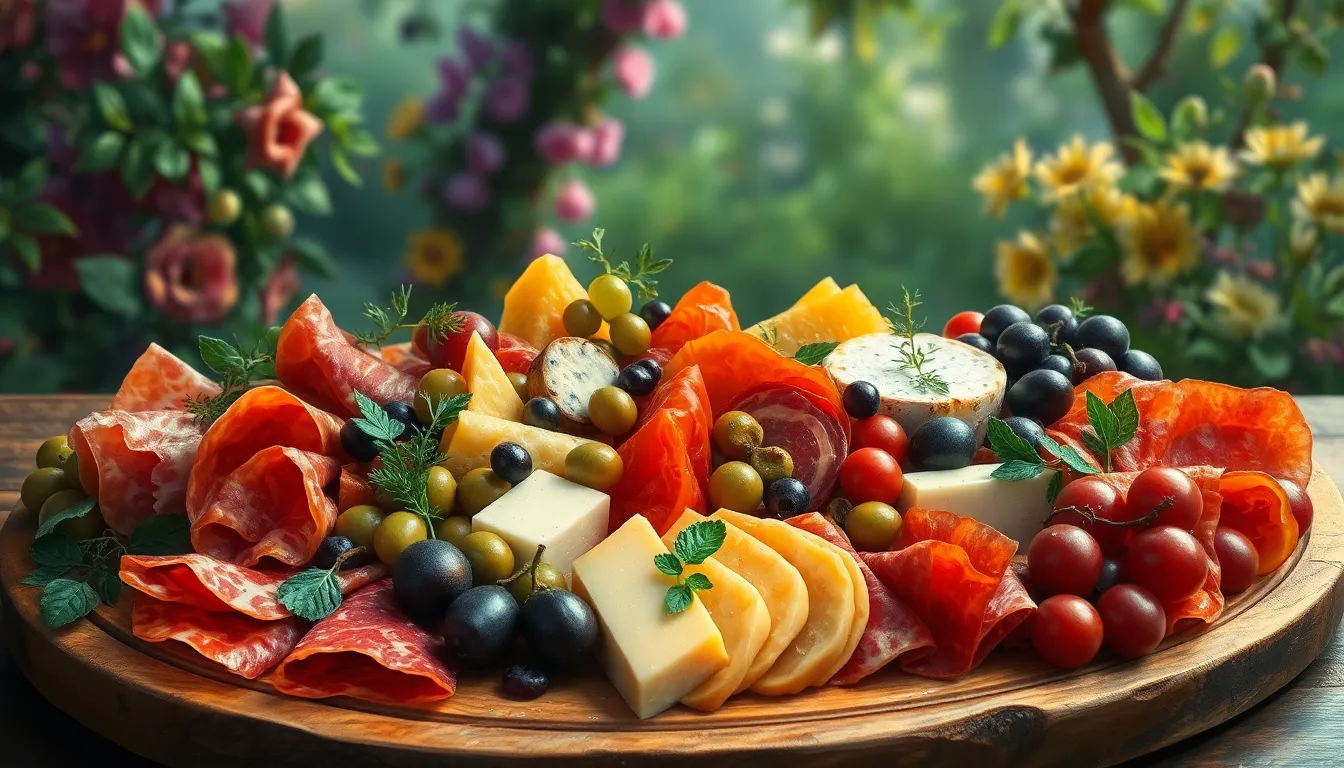
How to Build a Simple Antipasto Board in 2026
Creating an antipasto board transforms simple ingredients into an impressive centerpiece that welcomes guests and sets the tone for any gathering. This traditional Italian appetizer course, meaning “before the meal,” combines cured meats, cheeses, vegetables, and accompaniments in a visually appealing arrangement that stimulates the appetite. Whether hosting a casual family dinner or an elegant celebration, mastering the art of building an antipasto board requires understanding ingredient selection, flavor balance, and thoughtful presentation techniques that showcase each component while creating a cohesive whole.
Selecting Your Core Ingredients
The foundation of any successful antipasto board rests on choosing quality ingredients across several key categories. Start with cured meats such as prosciutto, salami, mortadella, and coppa. These proteins provide savory, rich flavors that anchor the board. Plan for roughly two to three ounces of meat per person, selecting at least three varieties to offer visual and taste diversity.
Cheese selection deserves equal attention, with both soft and hard varieties creating textural contrast. Fresh mozzarella, aged provolone, creamy gorgonzola, and nutty Parmigiano-Reggiano represent classic Italian choices. Include at least three cheese types, cutting harder cheeses into slices or cubes while keeping soft cheeses in larger portions that guests can spread or scoop themselves.
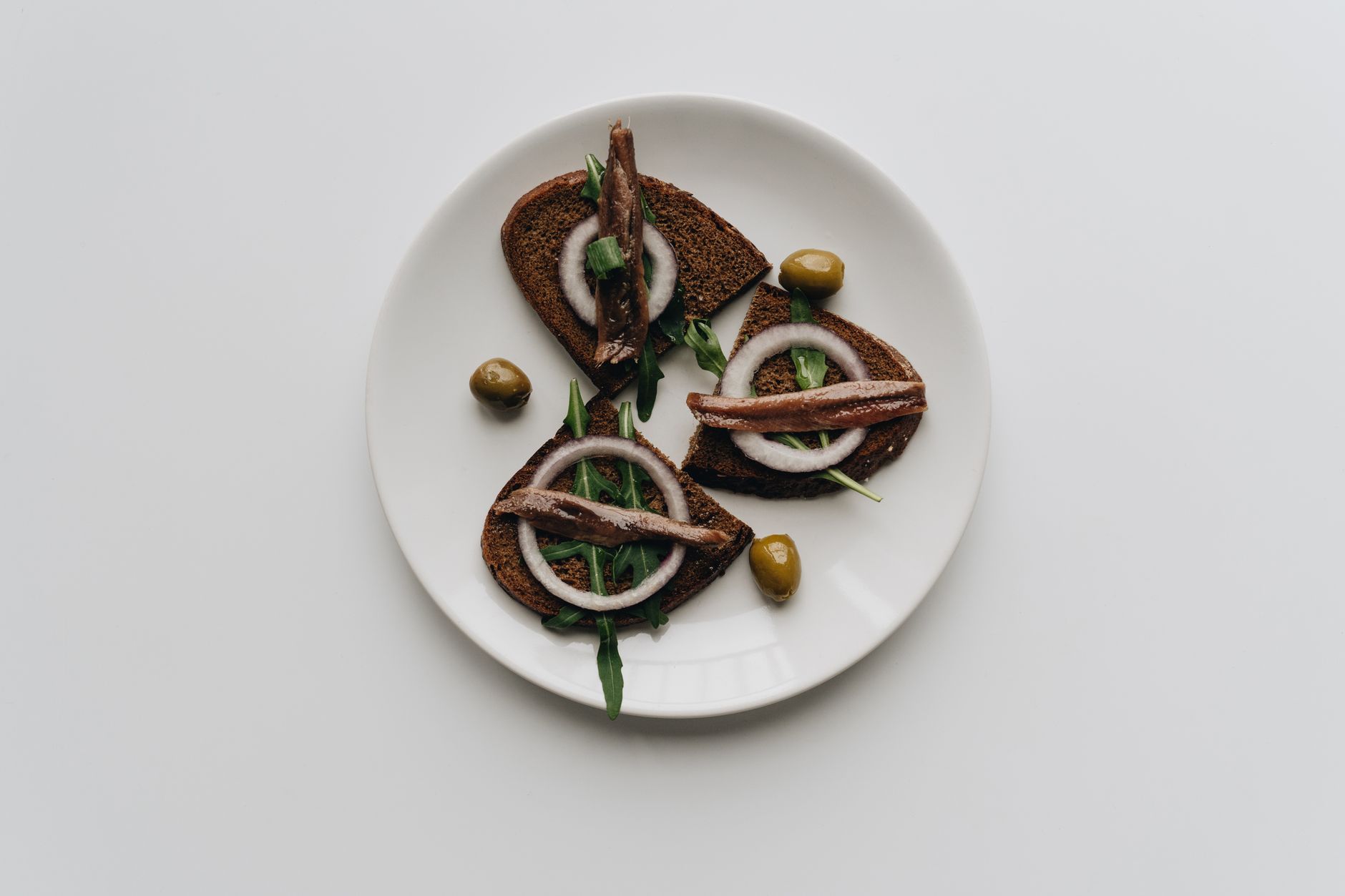
Vegetables form the vibrant color palette of your board. Marinated artichoke hearts, roasted red peppers, sun-dried tomatoes, and pickled vegetables add tangy, acidic notes that cut through the richness of meats and cheeses. Olives deserve special consideration – both green and black varieties bring different flavor profiles to the arrangement. Cherry tomatoes, fresh basil, and crisp vegetables like radishes or fennel provide refreshing elements that cleanse the palate between richer bites.
Balancing Flavors and Textures
Building a memorable antipasto board requires understanding how different tastes interact and complement each other. The combination of salty, sweet, spicy, and sour elements creates a dynamic eating experience that keeps guests engaged. Salty cured meats pair naturally with sweet components like fresh figs, grapes, or honey drizzled over cheese. Spicy elements such as pepperoncini or calabrian chili spread add excitement, while acidic pickled vegetables and olives provide brightness.
Texture plays an equally important role in the overall experience. Crispy breadsticks and toasted crostini offer crunch against smooth, creamy cheeses. The tender bite of thinly sliced prosciutto contrasts with firm salami. Incorporating nuts like marcona almonds or roasted pistachios adds another textural layer while contributing healthy fats and satisfying crunch.
Consider temperature when planning your board. Most components taste best at room temperature, allowing flavors to fully develop. Remove cheeses from refrigeration at least thirty minutes before serving, and arrange cured meats so they can slightly warm, which softens their texture and enhances their aromatic qualities. This attention to temperature elevates the entire presentation from ordinary to restaurant-quality.
Arranging Your Board for Visual Impact
The physical arrangement of ingredients transforms scattered components into an artful display. Begin with your serving surface – a wooden cutting board, marble slab, or large ceramic platter provides an attractive foundation. The size should accommodate all ingredients without overcrowding, while leaving small gaps that create visual interest rather than appearing sparse.
Start your arrangement by placing small bowls strategically across the board. These containers hold items like olives, dips, honey, or jam that might otherwise create mess or roll away. Positioning bowls first establishes anchor points around which other ingredients flow naturally. Choose bowls in varying heights to add dimension to the overall presentation.
Next, arrange your largest items – folded or rolled meats and cheese portions. Creating small groupings or rows of similar items provides structure while allowing guests to easily identify and select what they want. Fold prosciutto into ribbons, fan out salami slices, or create rosettes with thin meats for visual appeal. Stagger cheese placements around the board rather than clustering them in one area.
Fill remaining spaces with smaller ingredients – clusters of grapes, cherry tomatoes, nuts, and fresh herbs. These elements soften hard edges between larger components and add pops of color throughout. Tuck fresh basil or rosemary sprigs between items for aromatic appeal and natural decoration. Place crackers and bread in one or two designated areas rather than scattering them, which helps maintain organization as guests serve themselves.
Selecting Complementary Accompaniments
The supporting elements on an antipasto board serve practical and flavor-enhancing purposes. Bread and crackers provide vehicles for building bites and absorbing flavorful oils and vinegars. Offer variety with sliced baguette, focaccia pieces, breadsticks, and several cracker types ranging from plain water crackers to seeded varieties. Toast bread slices lightly for improved texture and longer-lasting crispness.
Condiments add customization options that let guests tailor their experience. Whole-grain mustard complements cured meats, while fig jam or honey creates sweet-savory combinations with aged cheeses. Balsamic glaze drizzled over fresh mozzarella and tomatoes evokes classic caprese flavors. Pesto, tapenade, or roasted garlic spread introduce bold flavors that enhance simpler ingredients.
Fresh and dried fruits bridge the gap between savory and sweet. Figs, pears, apples, and grapes provide natural sweetness and juice that refreshes between richer bites. Dried apricots or dates offer concentrated sweetness and chewy texture. These fruits also contribute important visual color – deep purple grapes, bright green apple slices, and golden dried apricots create an inviting rainbow across the board.
Summary
Building a simple antipasto board combines thoughtful ingredient selection with strategic arrangement to create an appetizer that delights all senses. Success lies in balancing contrasting flavors – salty meats against sweet fruits, tangy pickled vegetables beside creamy cheeses – while varying textures from crispy to smooth. The visual presentation matters as much as taste, with careful placement of bowls, meats, cheeses, and smaller garnishes creating an attractive display that invites exploration. Quality ingredients at proper temperature showcase authentic Italian flavors, while accompaniments like bread, crackers, and condiments provide customization options. This versatile appetizer scales easily for intimate gatherings or large parties, requiring minimal cooking while delivering maximum impact. The beauty of an antipasto board rests in its flexibility – there exists no single correct formula, only guidelines that support your personal preferences and the specific occasion you are celebrating.
FAQs
How far in advance can I prepare an antipasto board?
You can prepare most components several hours ahead, but final assembly should occur within one to two hours of serving. Slice meats and cheeses, wash and prep vegetables, and portion accompaniments earlier in the day, storing everything covered in the refrigerator. Arrange the board closer to guest arrival, allowing cheeses and meats to reach room temperature for optimal flavor and texture.
How much food should I plan per person?
For an antipasto board serving as the main appetizer before dinner, plan for approximately four to six ounces of total ingredients per person. If the board serves as the primary food offering at a cocktail party or casual gathering, increase portions to eight to ten ounces per guest. Adjust quantities based on the number of other dishes being served and the duration of your event.
Can I make an antipasto board without meat?
A vegetarian antipasto board works beautifully by emphasizing cheeses, marinated vegetables, olives, nuts, and fruits. Include multiple cheese varieties with different textures and flavors, expand your vegetable selection with grilled zucchini, eggplant, and mushrooms, and add protein-rich elements like marinated white beans or chickpeas. The same flavor-balancing principles apply, creating a satisfying board without cured meats.
What type of board or platter works best for antipasto?
Wooden cutting boards provide rustic charm and natural warmth that complements Italian ingredients. Marble or slate slabs offer elegant presentations while keeping cheeses cool longer. Large ceramic platters work well for formal settings. Choose a surface at least fourteen to sixteen inches across for smaller gatherings, scaling up to larger boards or multiple platters for crowds. Ensure the material is food-safe and has enough flat, stable surface area.
How do I keep ingredients fresh during a long party?
For extended events, start with a partially filled board and replenish ingredients from refrigerated reserves as needed rather than displaying everything at once. Keep backup portions of perishable items like fresh mozzarella and sliced meats chilled until needed. Position the board away from direct sunlight or heat sources. For outdoor gatherings, consider placing the serving platter on a bed of ice or returning it to refrigeration periodically during the event.