Cooking International Dishes With Children: A Guide
Exploring global cuisines with children transforms an ordinary afternoon into a hands-on geography lesson, a cultural exploration, and a memorable shared experience. When families step into the kitchen to prepare dishes from different countries, they open a window to the world that extends far beyond textbooks and screens. This practice introduces young palates to new flavors and textures while building practical skills that will serve them throughout their lives. Cooking international recipes together creates opportunities for meaningful conversations about history, tradition, and the diverse ways people around the world gather around food.
Building Cultural Awareness Through the Kitchen
Preparing dishes from other countries offers children a tangible connection to cultures they might otherwise only read about. When a child helps shape dumplings for Chinese jiaozi or rolls grape leaves for Greek dolmades, they engage with traditions that have been passed down through generations. These experiences create lasting impressions that abstract lessons often cannot match.
The kitchen becomes a space where geography comes alive. As you prepare Italian pasta, you might discuss the difference between northern and southern Italian cooking traditions. Making Mexican tamales can lead to conversations about indigenous ingredients and how food traditions survived and adapted over centuries. Culinary adventures at home help children understand that food reflects climate, available resources, and historical connections between regions.
This cultural education extends beyond the food itself. Children learn about different eating customs, from the communal nature of Ethiopian meals eaten from a shared platter to the careful presentation valued in Japanese cuisine. They discover that hospitality and sharing meals hold universal importance, even when the specific practices vary widely. These insights foster respect for cultural differences and help children develop a more inclusive worldview.
Expanding Palates and Reducing Food Pickiness
Children who participate in cooking international dishes develop broader food preferences and greater willingness to try unfamiliar ingredients. When a child helps prepare a dish, they feel ownership over the final product and become more invested in tasting what they have created. This involvement reduces the resistance many children show toward new or unusual foods.
The process of exploring diverse cuisines exposes young taste buds to a wide range of flavors, from the aromatic spices in Indian curry to the umami-rich miso in Japanese soup. Repeated exposure to different flavor profiles helps children develop sophisticated palates and reduces the likelihood of extremely selective eating habits. Rather than viewing unfamiliar foods with suspicion, children who regularly cook international recipes often approach new dishes with curiosity and openness.
Starting with dishes that incorporate familiar elements can ease the transition. A child who loves noodles might be more willing to try Vietnamese pho or Thai pad thai because the base ingredient feels safe. As confidence grows, you can gradually introduce more challenging flavors and textures. This gradual expansion creates adventurous eaters who carry their openness to new foods into adulthood, potentially leading to better nutritional variety throughout their lives.
Reinforcing Academic Skills Through Real-World Application
International cooking naturally incorporates educational concepts that children study in school, making abstract lessons concrete and memorable. Geography becomes relevant when locating countries on a map before preparing their signature dishes. Children learn that Morocco sits in North Africa, that its cuisine reflects Mediterranean and Middle Eastern influences, and that its climate supports olive trees and citrus fruits.
Mathematical skills find practical application in recipe measurement and conversion. Doubling a recipe for Indian samosas requires multiplication, while halving a batch of French crepes involves division and fraction work. Converting measurements between metric and imperial systems introduces real-world math problems that feel purposeful rather than arbitrary. Children develop estimation skills as they eyeball portions and adjust seasoning to taste.
History lessons emerge naturally from food preparation. Discussing how the Columbian Exchange brought tomatoes to Italy or how spice trade routes shaped Southeast Asian cooking connects food to historical events. Children learn that the foods we consider traditional to certain regions often have complex migration stories. These conversations make history feel relevant and help children understand how interconnected human societies have always been.
Science concepts also appear regularly in cooking. Observing how heat transforms ingredients, understanding why certain combinations work together, and watching fermentation processes in action all demonstrate scientific principles. Making Japanese mochi teaches about the properties of glutinous rice, while preparing Turkish yogurt introduces beneficial bacteria and fermentation.
Creating Meaningful Family Connections
The time spent cooking together provides opportunities for conversation and bonding that modern family life often lacks. Without the distractions of screens or scheduled activities, family members can engage fully with each other while working toward a common goal. The collaborative nature of cooking encourages teamwork and communication as family members coordinate tasks and share responsibilities.
These cooking sessions create shared memories that children often carry into adulthood. The specific dishes become associated with quality time spent together, and the skills learned build confidence and independence. Children who learn to prepare meals alongside parents or older siblings develop a sense of competence that extends beyond the kitchen.
Sharing the meal you have prepared together completes the experience. Sitting down to enjoy Korean bibimbap or Moroccan tagine that everyone helped create reinforces the value of cooperation and shared effort. These meals often spark conversations about the cooking process, the culture behind the dish, and plans for future culinary adventures. The ritual of preparing and sharing international foods can become a cherished family tradition that evolves as children grow.
Practical Approaches for Different Age Groups
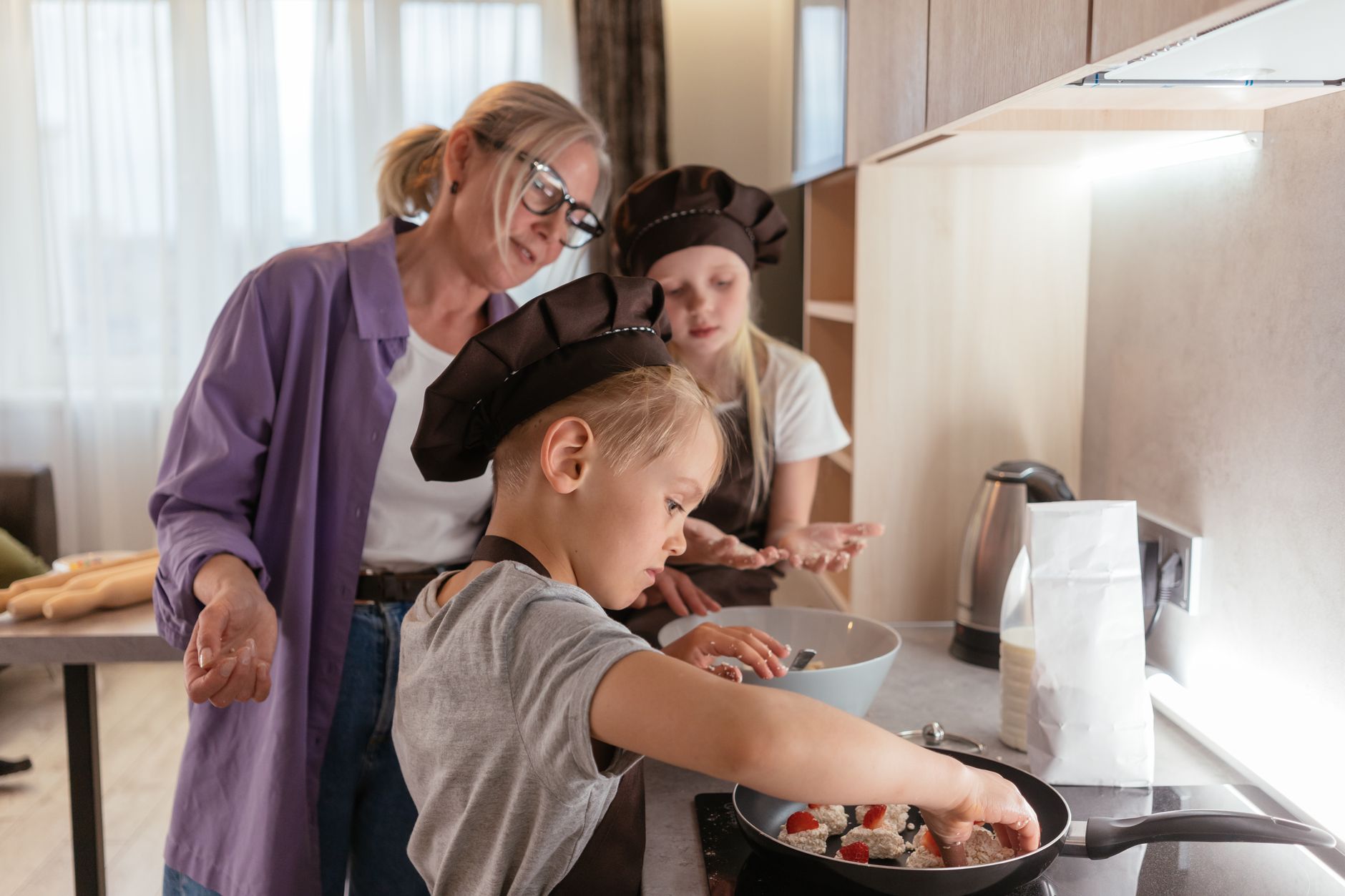
Adapting international cooking projects to match children’s developmental stages ensures success and maintains engagement. Very young children can participate in washing vegetables, tearing herbs, or stirring ingredients together. These simple tasks allow them to contribute meaningfully while developing fine motor skills and following instructions.
Elementary-age children can take on more complex responsibilities like measuring ingredients, reading recipe steps aloud, or assembling components. Age-appropriate cooking activities help build their confidence in the kitchen while teaching them to follow sequential directions and develop patience.
Older children and teenagers can handle full recipes with minimal supervision, including tasks that involve heat and sharp tools once they have demonstrated readiness. At this stage, they might research recipes independently, plan complete meals from specific countries, or experiment with adapting traditional recipes. This independence helps them develop planning skills and creative problem-solving abilities.
Safety remains paramount regardless of age. Clear guidelines about knife handling, stove use, and kitchen awareness should be established and consistently reinforced. Creating a safe cooking environment allows children to explore and learn without unnecessary risk.
Summary
Cooking dishes from other countries with children offers far more than a meal. This practice builds cultural understanding, expands food preferences, reinforces academic concepts, and creates meaningful family connections. When children participate in preparing international cuisines, they develop practical skills, confidence, and a broader perspective on the world. The kitchen becomes a classroom where geography, history, math, and science lessons unfold naturally through hands-on experience. The expanded palates that result from regular exposure to diverse flavors often translate into more adventurous eating habits that last a lifetime. Beyond the educational benefits, these cooking sessions create space for conversation, cooperation, and shared accomplishment. The memories formed while making dumplings, rolling flatbread, or seasoning curry often become treasured family stories. Starting these culinary adventures early and adapting them to each child’s developmental stage ensures that cooking remains engaging rather than overwhelming. The investment of time in the kitchen pays dividends in cultural awareness, practical knowledge, and family bonds that extend far beyond any single meal.
FAQs
What age can children start helping with international cooking?
Children as young as two or three can participate in simple tasks like washing produce, tearing lettuce, or stirring ingredients in a bowl. As they develop coordination and understanding, their responsibilities can expand to include measuring, mixing, and eventually working with heat and cutting tools under supervision. The key is matching tasks to each child’s developmental readiness rather than relying solely on age.
How do I choose which international dishes to make with children?
Start with dishes that incorporate familiar elements or flavors your children already enjoy, then gradually introduce more adventurous recipes. Consider the complexity of the recipe and the time required – dishes with many active steps keep children engaged, while those requiring long passive cooking times may test their patience. Research the cultural background beforehand so you can share interesting context as you cook.
What if my child refuses to try the international dish we prepared?
Avoid forcing children to eat foods they helped prepare, as pressure often backfires and creates negative associations. Instead, encourage a single small taste without consequences if they decline. Children sometimes need multiple exposures to a new food before accepting it. Praise their contribution to the cooking process regardless of whether they eat the final dish, and model adventurous eating yourself.
Do I need special ingredients to cook international dishes with children?
Many international recipes can be prepared with ingredients available at standard grocery stores, though some dishes benefit from specialty items found at international markets or online retailers. Start with recipes that use accessible ingredients, and gradually explore more authentic versions as your confidence and interest grow. Substitutions often work well, particularly when introducing children to new cuisines.
How can I make international cooking educational beyond just the recipe?
Before cooking, locate the country on a map or globe and discuss its geography and climate. Research the dish’s cultural significance, traditional serving occasions, or historical origins. Share appropriate photos or videos showing how the dish is prepared or eaten in its country of origin. After cooking, discuss similarities and differences between this cuisine and your family’s usual meals, and consider other aspects of the culture such as language, music, or traditional clothing.