Helping Children Learn About Far Away Places: A Guide
Children today grow up in an interconnected world where understanding different cultures and places has become more important than ever. Teaching young learners about faraway places helps them develop empathy, reduce stereotypes, and build a broader worldview that prepares them for global citizenship. Whether through hands-on activities, creative exploration, or daily conversations, parents and educators have numerous opportunities to introduce children to the diverse world beyond their immediate surroundings. The key lies in making geography and cultural learning engaging, accessible, and relevant to their everyday experiences.
Making Geography Fun Through Interactive Activities
Interactive learning transforms geography from abstract concepts into tangible experiences that children can touch, manipulate, and explore. Map puzzles represent one of the most effective tools for teaching spatial awareness and geographical relationships. These puzzles, available in both physical and digital formats, allow children to place countries, capitals, and landmarks while developing problem-solving skills. The tactile nature of physical puzzles helps younger children retain information better than passive learning methods.
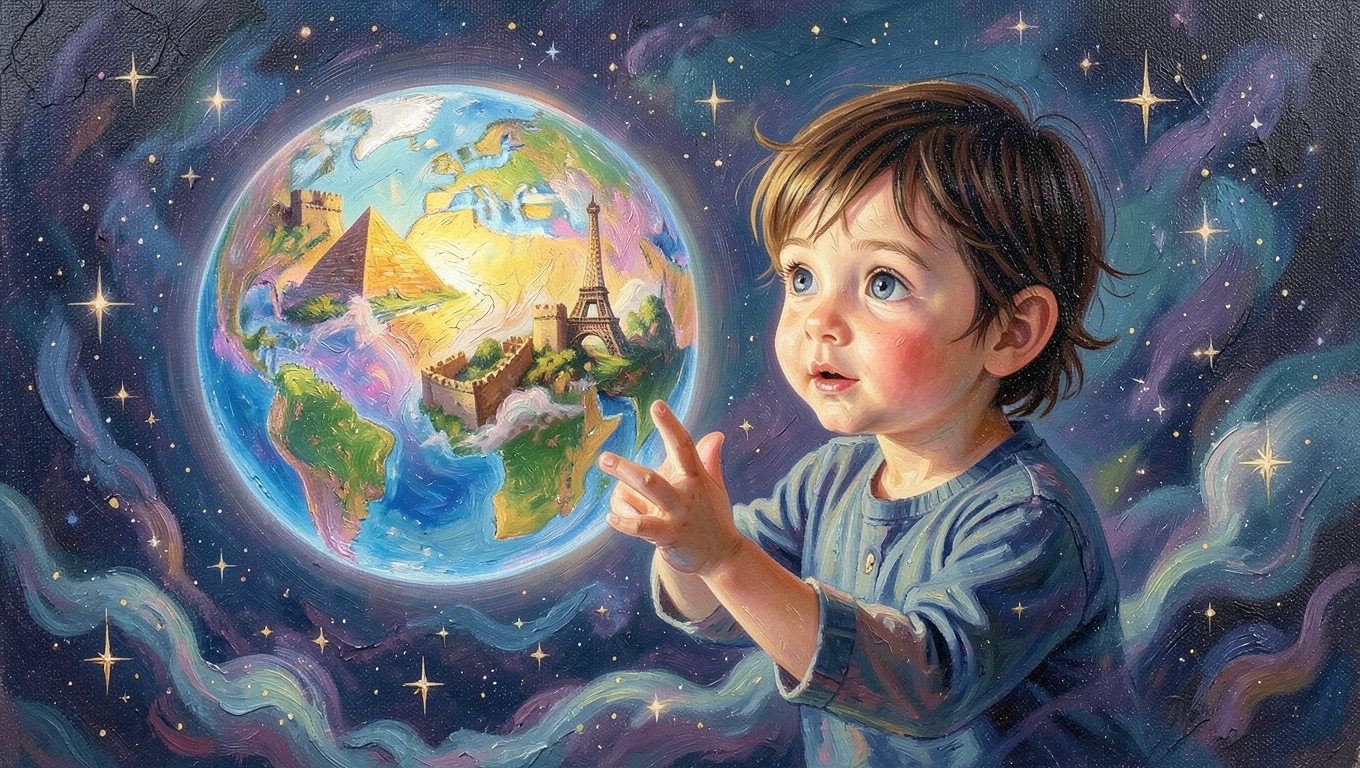
Creating maps together offers another dimension to geographical education. Children can draw their own neighborhood maps, gradually expanding to include their city, state, and beyond. This progression helps them understand scale and how their local environment fits into larger geographical contexts. Modeling famous structures like the Eiffel Tower, the Great Wall of China, or the Pyramids of Giza using craft materials connects architectural landmarks to specific places and cultures. These hands-on projects engage multiple senses and learning styles, making the information more memorable.
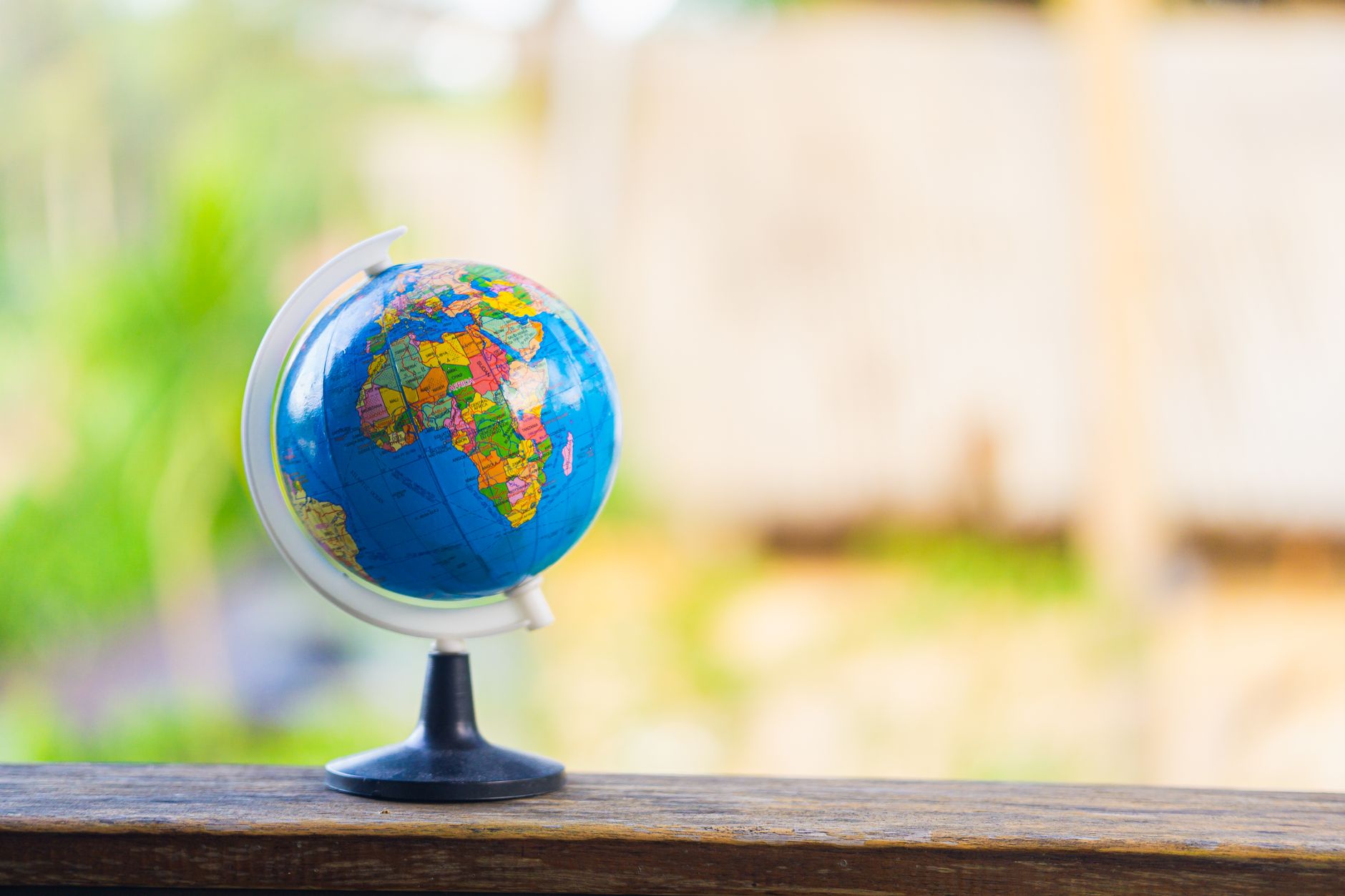
Planning imaginary trips encourages children to research destinations, consider travel routes, and learn about what makes different places unique. This activity combines geography with practical skills like budgeting time and resources. Children can create itineraries, learn about local customs and languages, and explore what they would need to pack for different climates. Geography learning at home becomes an adventure when children actively participate in designing their educational journey.
Connecting Cultures Through Food and Media
Food provides a universal entry point for cultural education. Preparing meals from different countries introduces children to new flavors, cooking techniques, and the native ingredients that define regional cuisines. When making sushi, tacos, or curry, families can discuss where these dishes originated, why certain ingredients grow in specific climates, and how traditional recipes reflect cultural values and history. This sensory experience creates lasting memories and positive associations with different cultures.
Travel-themed television shows and documentaries designed for children offer carefully curated windows into faraway places. Programs that help children learn about the world present complex ideas in age-appropriate formats, showing daily life, natural wonders, and cultural traditions from child-friendly perspectives. These visual journeys transport children to environments they might never visit in person, from coral reefs to Arctic tundra, from bustling cities to remote villages.
Books remain powerful tools for geographic and cultural education. Well-illustrated atlases and fact books present researched information in visually engaging formats that capture children’s attention. Fiction set in different countries allows children to experience places through characters’ eyes, building emotional connections to unfamiliar settings. Stories about explorers and historical journeys inspire curiosity while teaching about real people who expanded human knowledge of our planet. The combination of factual and narrative approaches addresses different learning preferences and reinforces information through multiple exposures.
Incorporating Global Awareness Into Daily Life
Geography education need not be confined to dedicated lesson times. Bringing the world into everyday conversations helps children see global connections in their daily lives. When discussing weather, parents can compare local conditions to what’s happening in other parts of the world and explain why different regions experience different climates. News stories provide natural opportunities to locate places on maps and discuss current events in geographical context, helping children understand that the world extends far beyond their immediate community.
Local exploration offers surprising opportunities for cultural learning. Cities and towns often contain cultural institutions, ethnic neighborhoods, festivals, and restaurants that represent diverse traditions. Visiting these places provides exposure to different ways of life without requiring long-distance travel. Children can experience different architectural styles, hear various languages, taste unfamiliar foods, and interact with people from diverse backgrounds. These encounters demonstrate that the world’s diversity exists within their own community, making global citizenship feel more immediate and personal.
Connecting with people from different places adds a human dimension to geographical learning. Pen pal programs, video calls with children in other countries, or conversations with neighbors from different backgrounds transform abstract places into communities of real people with shared hopes and unique perspectives. These interactions develop communication skills while building genuine understanding across cultural boundaries. When children form personal connections with people from faraway places, those locations become more than dots on a map; they become places where friends live.
Building Skills for a Global Future
Learning about faraway places develops competencies that extend far beyond geographical knowledge. Children who explore different cultures become more open-minded and adaptable, qualities that serve them throughout life. Understanding that people live differently in various parts of the world while sharing fundamental human needs fosters empathy and reduces the stereotypes that often arise from limited exposure. This awareness creates a foundation for respectful interaction in our increasingly interconnected world.
Geographic literacy supports academic success across multiple subjects. Understanding where places are and how geography influences history, economics, and current events provides context for learning in social studies, science, and even literature. Children who grasp spatial relationships and can visualize the world develop stronger analytical and critical thinking skills. They learn to consider multiple perspectives and understand that context matters when evaluating information and making decisions.
Early exposure to global diversity prepares children for the reality they will navigate as adults. The workforce, educational institutions, and communities they will join are more culturally diverse and internationally connected than ever before. Children who grow up understanding and appreciating different ways of life develop comfort with diversity rather than fear of the unfamiliar. This comfort translates into better collaboration, communication, and problem-solving abilities in multicultural settings. Global connections formed through childhood learning create citizens equipped to address challenges that transcend national boundaries.
Summary
Teaching children about faraway places represents an investment in their cognitive, social, and emotional development. Through interactive activities, cultural exploration, daily conversations, and creative projects, parents and educators can make geography engaging and relevant. The methods vary from hands-on map puzzles and cooking international dishes to watching educational media and reading about different cultures, but they share a common goal of expanding children’s understanding beyond their immediate environment. This learning develops empathy, reduces stereotypes, and builds the global awareness necessary for navigating an interconnected world. The skills children gain through geographic and cultural education serve them academically and personally throughout their lives. By making the world accessible and interesting, adults help children develop the curiosity, understanding, and respect that define responsible global citizens. The effort invested in teaching children about our diverse planet creates benefits that extend far into their future and contributes to building a more understanding and connected world.
FAQs
At what age should I start teaching my child about faraway places?
You can begin introducing global concepts as early as age three or four through simple activities like picture books showing children from different countries, basic globe exploration, or tasting foods from various cultures. Young children learn best through sensory experiences and visual materials. As they grow, gradually introduce more complex concepts like map reading, cultural differences, and geographical relationships. The key is matching the depth and complexity to your child’s developmental stage while maintaining their natural curiosity about the world.
How can I teach geography when I haven’t traveled extensively myself?
Personal travel experience is not required to teach children about the world effectively. Books, documentaries, virtual tours, cultural museums, and online resources provide rich information about faraway places. Local libraries often have extensive geography collections and cultural programs. Exploring ethnic neighborhoods, restaurants, and cultural festivals in your area offers authentic experiences. Learning alongside your child, researching together, and showing genuine curiosity about other places models the lifelong learning attitude that matters more than having all the answers.
What are the best resources for teaching children about different cultures?
Age-appropriate atlases and geography books provide foundational knowledge with engaging visuals. Educational streaming platforms offer documentaries and shows specifically designed for children. Virtual museum tours and cultural websites provide free access to artifacts and information. Map puzzles, both physical and digital, make learning interactive. Cookbooks featuring international cuisine turn kitchen time into cultural education. Children’s fiction set in different countries builds emotional connections to places. The best resource often depends on your child’s age, interests, and learning style.
How do I make learning about faraway places relevant to my child’s daily life?
Connect global concepts to familiar experiences by discussing where everyday items come from, comparing local weather to conditions elsewhere, or finding locations mentioned in news stories on a map. Point out cultural influences in your community, from architecture to festivals. When eating at restaurants, discuss the cuisine’s origins. Use sports events, music, or movies to introduce places and cultures. The goal is helping children see that the world is not separate from their life but intimately connected to their daily experiences, making geography feel immediate and meaningful rather than abstract.
Can learning about other places actually reduce prejudice in children?
Research supports that exposure to different cultures during childhood can reduce stereotypes and increase empathy. When children learn that people in different places have varied customs but share fundamental human experiences, they develop more nuanced understanding than simplistic stereotypes allow. Meeting this diversity through positive contexts like food, stories, and cultural celebrations creates favorable associations. The key is presenting other cultures with respect and authenticity, emphasizing both differences and commonalities. This foundation helps children approach diversity with curiosity rather than fear or judgment as they grow.