Using Dramatic Lighting to Set the Mood at Home
Lighting shapes the way we experience every room in our homes. While functional brightness serves a purpose, dramatic lighting goes further – it uses intentional contrasts between light and shadow to create depth, visual interest, and emotional resonance. This approach transforms ordinary spaces into environments that feel purposeful and atmospheric, whether you want a cozy retreat, an energizing workspace, or an elegant entertaining area. Understanding how to manipulate light and darkness gives you control over the mood and character of your home.
Understanding the Fundamentals of Dramatic Lighting
Dramatic lighting relies on creating strong contrasts rather than evenly illuminating every surface. This technique borrows from theatrical and cinematographic traditions, where directors use light to guide attention and evoke specific emotions. In residential settings, the same principles apply – strategically placed light sources create focal points while allowing other areas to recede into shadow.
The key difference between standard and dramatic lighting lies in intentionality. Most homes default to overhead fixtures that flood rooms with uniform brightness. This approach prioritizes visibility but rarely creates atmosphere. Dramatic lighting, by contrast, employs multiple light sources at varying heights and intensities. Layering different types of lighting – ambient, task, and accent – allows you to build complexity and control the visual hierarchy of a space.
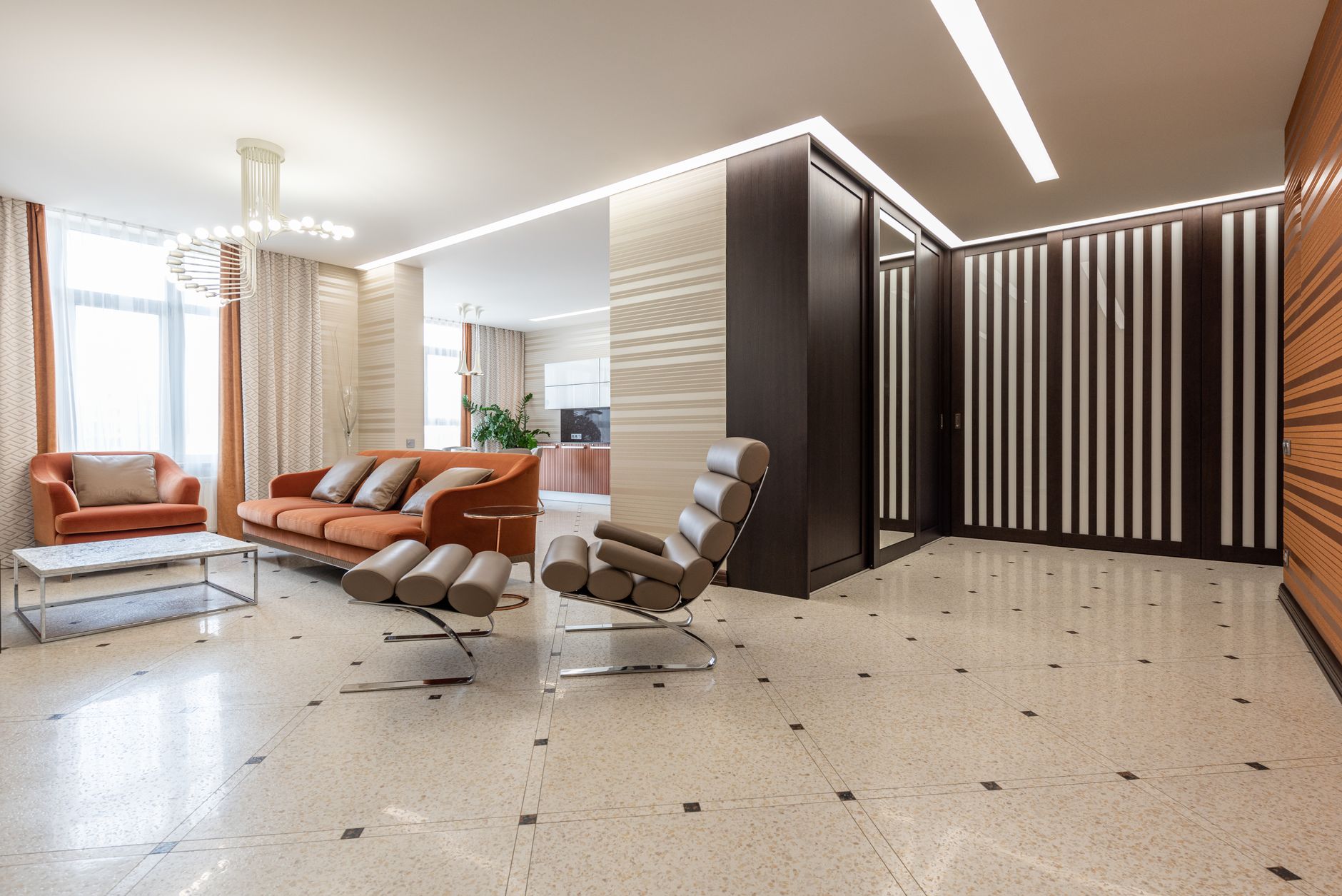
Color temperature plays a significant role in the emotional impact of your lighting design. Warm light in the range of 2700K to 3000K produces a cozy, relaxing atmosphere suited to living rooms and bedrooms. Cool light between 3500K and 5000K generates energy and improves concentration, making it appropriate for kitchens, bathrooms, and home offices. Mixing temperatures strategically can help define zones within open-plan spaces or shift a room’s character throughout the day.
Techniques for Creating Dramatic Effects
Highlighting architectural features forms the foundation of dramatic home lighting. Spotlights, LED strips, or wall washers can emphasize arches, staircases, exposed beams, or textured walls. These elements often go unnoticed under standard overhead lighting, but directed illumination transforms them into focal points. Uplighting draws the eye upward and makes ceilings feel higher, while downlighting creates pools of light that anchor furniture groupings.
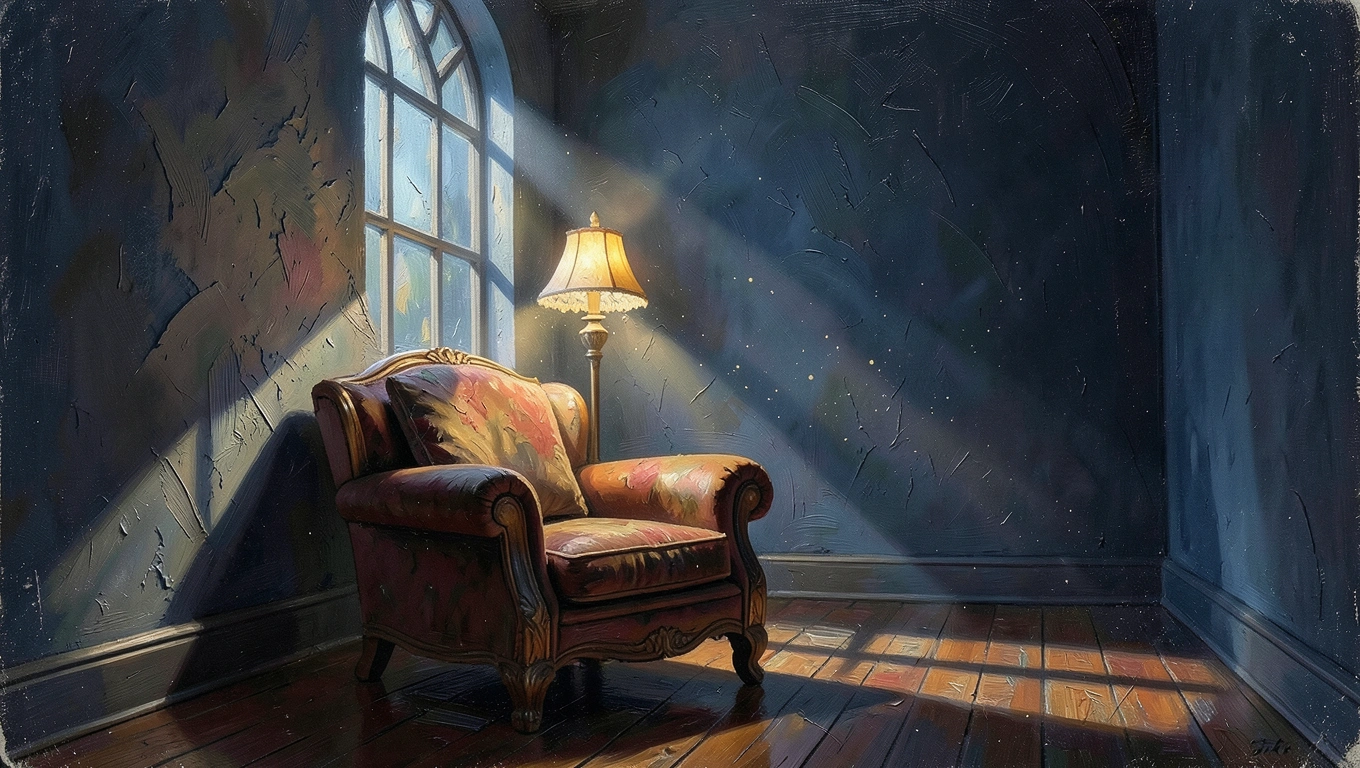
Shadow work deserves equal attention to the light itself. Allowing areas of darkness to exist creates contrast and prevents visual fatigue. Consider which elements in a room deserve emphasis and which can fade into the background. A well-placed floor lamp behind a chair creates a halo effect, while leaving corners dimmer adds depth and mystery. This interplay between illuminated and shadowed areas gives rooms dimension that flat, even lighting cannot achieve.
Reflection amplifies dramatic lighting effects. Mirrors, polished metals, glass surfaces, and glossy finishes catch and multiply light sources, creating sparkle and movement. Strategic placement of reflective surfaces can make spaces feel more dynamic and visually engaging. A mirror opposite a window doubles natural light during the day, while metallic fixtures near artificial sources create glinting highlights after dark.
Dimmers represent perhaps the most versatile tool in dramatic lighting design. They allow a single fixture to serve multiple purposes – bright for tasks and gathering, dimmed for relaxation and conversation. The ability to adjust intensity transforms a room’s character throughout the day and evening. Installing dimmers on most circuits provides flexibility without requiring multiple specialized fixtures.
Room-by-Room Applications
Living rooms benefit from multiple low-level sources rather than a single overhead fixture. Table lamps, floor lamps, and wall sconces create intimate pools of light that encourage conversation and relaxation. Consider placing lamps at different heights to add visual variety. A tall floor lamp in one corner, paired with a low table lamp and picture lights on artwork, creates layers that feel sophisticated and intentional.
Bedrooms require lighting that supports both practical activities and restful atmosphere. Bedside reading lights should provide adequate task lighting without illuminating the entire room. Accent lighting behind the headboard or under floating nightstands adds subtle drama. Avoid bright overhead fixtures in bedrooms – they work against the room’s primary purpose of rest and intimacy.
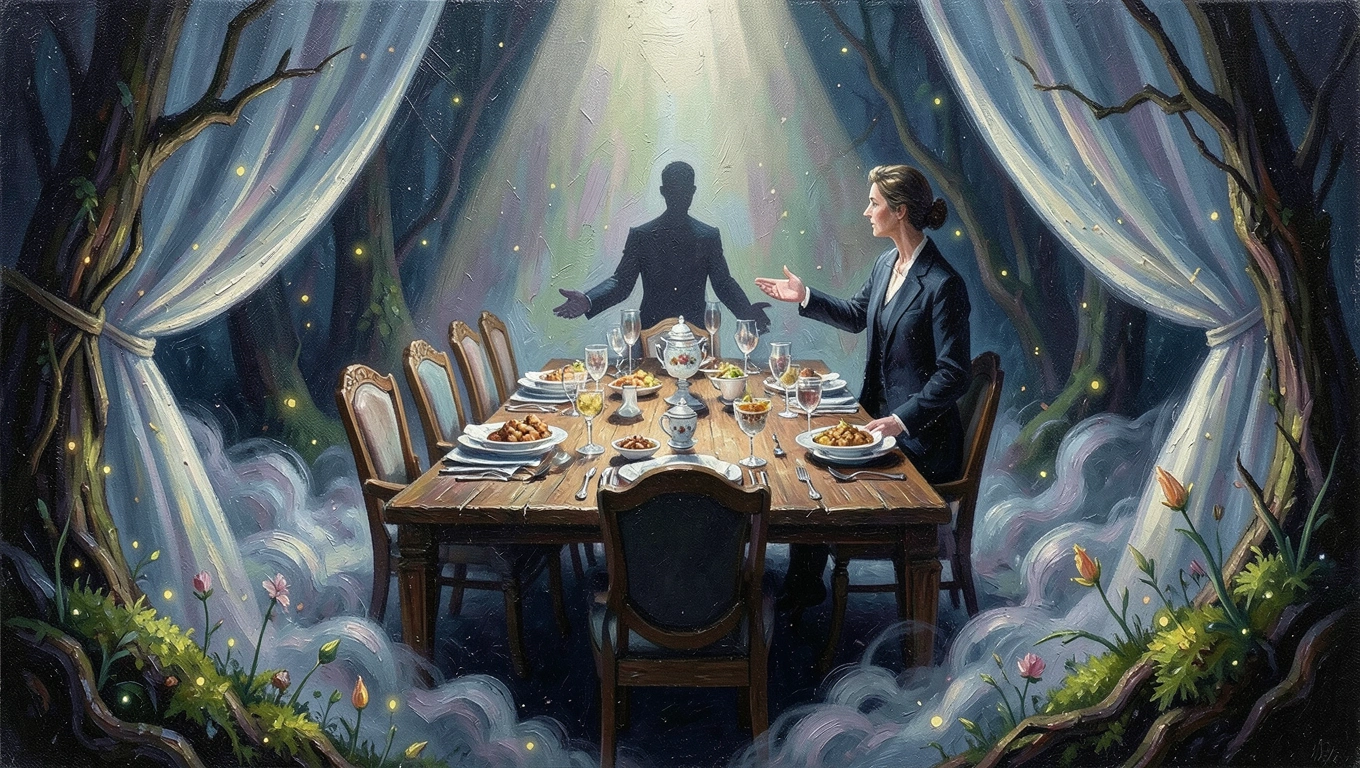
Dining areas become theatrical with focused lighting over the table and dimmed periphery. A statement pendant or chandelier suspended at the proper height creates a central gathering point. The contrast between the brightly lit table and darker surrounding space focuses attention on food and company. Additional candles on the table reinforce the intimate atmosphere.
Hallways and staircases offer opportunities for dramatic accent lighting. LED strips under stair treads provide safety while creating a floating effect. Wall sconces spaced along corridors cast overlapping pools of light and shadow that add depth to what might otherwise be utilitarian passages. These transitional spaces gain character when treated as destinations rather than afterthoughts.
Practical Considerations and Common Mistakes
Balance remains crucial when implementing dramatic lighting. While the goal is contrast, you need enough ambient light to move safely through spaces. Dark rooms with only harsh spotlights create more frustration than atmosphere. Build your lighting plan in layers – establish a base level of gentle ambient light, then add dramatic accents on top.
Many homeowners overlook the importance of light placement height. Sources placed at eye level or below feel more intimate and human-scale than ceiling fixtures alone. This explains why restaurants and hotels rarely rely solely on overhead lighting – they understand that varied heights create comfort and interest.
Color rendering matters as much as color temperature. Bulbs with poor color rendering index (CRI) make skin tones, fabrics, and finishes look flat or distorted. For areas where aesthetics matter – living spaces, dressing areas, art display – choose bulbs with high CRI ratings. The difference in how materials and faces appear under quality versus cheap bulbs significantly impacts the overall mood.
Avoid creating glare by shielding light sources properly. Bare bulbs, especially bright ones, cause discomfort and prevent eyes from adjusting to the room’s intentional contrasts. Shades, diffusers, and proper fixture design ensure light goes where you want it without creating harsh bright spots in your field of vision.
Summary
Dramatic lighting transforms homes by replacing uniform brightness with intentional contrasts that create depth, focus attention, and evoke specific moods. The technique relies on layering multiple light sources at different heights and intensities, allowing shadows to coexist with illuminated areas. Color temperature, reflection, and strategic placement all contribute to the emotional character of each space.
Success with dramatic lighting comes from understanding that darkness serves a purpose – it makes the light meaningful. Rather than fighting shadows, work with them to create dimension and interest. The historical evolution from candlelight to electric fixtures reflects humanity’s ongoing relationship with illumination, but the principles of creating atmosphere through light and shadow remain constant. Whether highlighting architectural details, defining activity zones, or simply making a room feel more inviting, dramatic lighting gives you creative control over how your home looks and feels. The investment in proper fixtures, dimmers, and thoughtful design pays dividends in daily comfort and aesthetic satisfaction.
FAQs
What is the most important element of dramatic lighting design?
Contrast between light and shadow creates the most impact. Without areas of darkness, light loses its dramatic quality. Focus on creating intentional variation rather than even illumination throughout a space. Multiple light sources at different intensities and heights generate the layers needed for truly dramatic effects.
How many light sources should a room have for dramatic effect?
Most rooms benefit from three to five distinct light sources rather than a single overhead fixture. This might include a combination of floor lamps, table lamps, wall sconces, and accent lights. The specific number depends on room size and purpose, but multiple sources prevent flatness and allow for varied moods.
Can dramatic lighting work in small spaces?
Small rooms actually respond well to dramatic lighting when executed carefully. Use fewer but well-placed sources to create depth without overwhelming the space. Wall-mounted fixtures save floor space while providing effective illumination. Uplighting makes low ceilings feel higher, and strategic shadows can make tight quarters feel more intimate rather than cramped.
Should I use warm or cool light for dramatic effects?
The choice depends on the mood you want to create. Warm light produces cozy, relaxing atmospheres ideal for social spaces and bedrooms. Cool light energizes and sharpens focus, working better in task-oriented areas. Many successful dramatic lighting schemes mix both temperatures strategically to define different zones or activities within the same space.
How do I avoid making dramatic lighting look theatrical or artificial?
Keep the lighting functional first and dramatic second. Ensure you can still perform necessary tasks comfortably in each space. Use dimmers to adjust intensity based on time of day and activity. Avoid overly colored bulbs or extreme contrasts that feel stagey. The best dramatic lighting enhances daily life rather than calling attention to itself as a special effect.