
Sitting Quietly for Five Minutes: A Gentle Introduction
Modern life rarely offers permission to pause. The idea of sitting quietly for five minutes may sound too simple to matter, yet this brief practice has become a practical tool for people navigating overwhelm, mental fatigue, and the constant pressure to stay productive. This is not about achieving enlightenment or mastering meditation. It is about creating a small, repeatable moment where nothing has to be done and nothing has to be fixed. Five minutes of stillness can provide a rare experience: time spent simply being present with yourself, without performance or outcome attached to it.
The practice works because it removes barriers. No equipment is needed. No perfect posture is required. No music, apps, or special settings are necessary. You can sit on the edge of your bed at night, in your car before work, or at your desk during a break. The point is consistency, not perfection. If you miss a day, you simply start again. This gentle approach makes the practice accessible to anyone, regardless of experience or environment.
What Sitting Quietly Actually Involves
Sitting quietly for five minutes is not about emptying the mind or stopping thoughts from appearing. Thoughts will come. The practice involves noticing when the mind wanders and gently returning attention to the present moment. This might mean focusing on the breath, observing sensations in the body, or simply noticing sounds and thoughts without judgment. There is no failure in distraction. The act of noticing and returning is the practice itself.
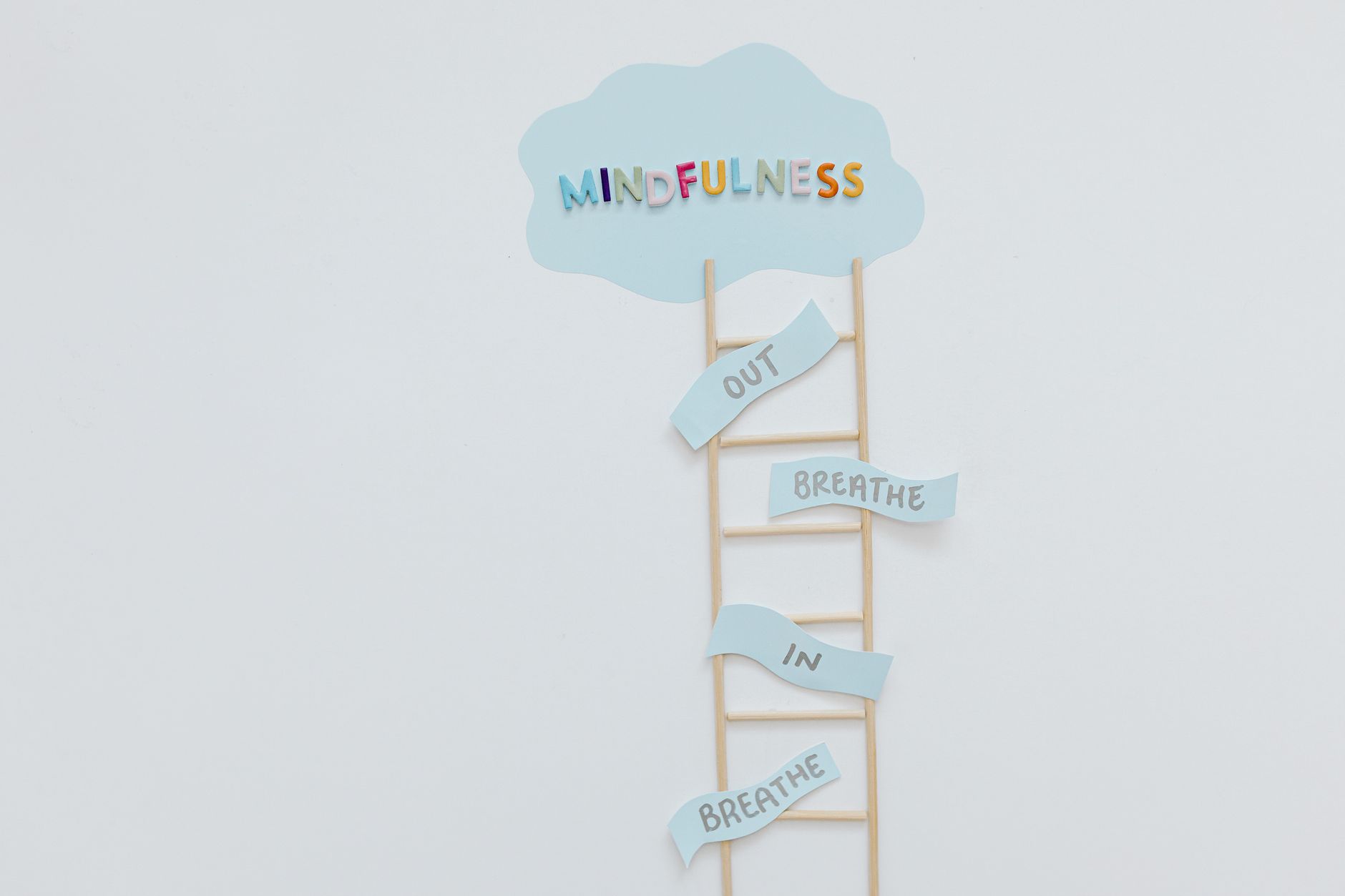
The instruction is straightforward: find a place where you can sit without interruption for five minutes. Close your eyes or keep them softly focused on a single point. Begin to notice your breathing without trying to change it. When your attention drifts to a task, a worry, or a memory, acknowledge it and bring your focus back. This return is not a correction. It is the core of the work. Each time you notice the mind has wandered and guide it back, you are strengthening the ability to stay present.
Some people prefer to do a body scan, bringing awareness to different parts of the body in sequence. Others focus solely on the sensation of breath entering and leaving the nostrils. Both approaches serve the same purpose: anchoring attention in immediate experience rather than abstract thought. The method matters less than the commitment to show up regularly. Research from the Greater Good Science Center supports the value of consistent mindfulness practice, even in short durations, for cultivating awareness and reducing reactivity.
The Benefits Are Modest and Real
Five minutes of quiet does not transform your life overnight. It does not remove difficult decisions or instantly increase concentration. What it does offer is a small buffer between stimulus and reaction. Over time, this practice can help you notice what is happening inside you before you respond. It creates a subtle shift in awareness that makes space for choice rather than automatic reaction.
Sitting in silence allows the nervous system to settle. The practice can lower stress hormones, ease mental fatigue, and reduce the irritability that often accompanies overwhelm. It is not a cure, but it is a tool. The benefit is cumulative. A single session may leave you feeling slightly calmer or more grounded. Repeated sessions build the capacity to pause in moments of pressure, to notice tension before it escalates, and to recognize patterns of thought that drive stress.
The practice also supports cognitive function. Brief periods of stillness can boost creativity and memory while improving focus, according to guidance from mindfulness educators. This happens because the mind is given permission to rest rather than chase the next input. In that rest, mental resources are replenished. The brain processes information differently when it is not being pulled in multiple directions simultaneously.
Why Five Minutes Matters More Than Duration
The length of the practice is intentionally short. Five minutes is long enough to feel different from the usual pace of the day but brief enough to avoid resistance. Many people abandon meditation because they believe they need to sit for twenty or thirty minutes to see results. This belief creates pressure and turns the practice into another task to fail at. Five minutes removes that burden.
Consistency matters more than duration. A daily five-minute practice builds a habit that becomes automatic. Over time, the practice integrates into the rhythm of your day without requiring willpower or negotiation. You sit because it is what you do, not because you have to convince yourself each time. This regularity strengthens the mental muscles that support attention and self-regulation.
Starting small also makes it easier to notice change. When you commit to a brief practice, you can observe subtle shifts in mood, reactivity, and awareness without the expectation of dramatic transformation. You may notice that you respond to frustration differently or that you catch yourself spiraling into worry sooner than before. These small changes are the foundation of larger shifts in how you relate to stress and uncertainty.
Common Obstacles and How to Work With Them
One of the most common concerns is that sitting quietly feels uncomfortable. The mind resists stillness. Thoughts arrive in rapid succession. The body feels restless. This is normal. Discomfort is not a sign that the practice is failing. It is evidence that you are encountering the habitual patterns that keep you distracted. The practice is not about eliminating discomfort but about learning to stay present with it.
Another obstacle is the belief that the mind should be quiet or blank. This expectation sets up frustration. The goal is not to stop thinking. It is to observe thoughts without being pulled into them. When you notice a thought, you do not need to engage with it, analyze it, or push it away. You simply acknowledge it and return to the anchor of your breath or body. This process is not passive. It is an active training in attention.
Some people struggle with finding the time. Five minutes feels impossible when the day is packed with demands. The solution is to attach the practice to an existing routine. Sit for five minutes immediately after waking, before getting out of bed. Sit in your car for five minutes before starting the engine to drive home. Sit after your last meeting of the day, before transitioning to evening tasks. The practice does not need to be isolated or ceremonial. It can be woven into the structure of what you already do.
Summary
Sitting quietly for five minutes is a practical, accessible practice that requires no special tools, training, or environment. It is not about achieving a particular state of mind or solving problems. It is about creating a small space where you can simply be present with yourself. The practice works through repetition. Each time you sit, you strengthen the ability to notice distraction and return to the present moment. The benefits are modest but real: reduced stress, improved focus, and a greater sense of space between thought and reaction.
The simplicity of the practice is its strength. It removes the barriers that keep people from starting and the expectations that lead to abandonment. Five minutes is enough to build a habit. Over time, that habit creates a foundation for greater self-awareness and emotional regulation. You do not need to believe in meditation or commit to a lifelong practice. You only need to sit quietly for five minutes and see what happens.
FAQs
Do I need to sit in a specific position to practice sitting quietly?
No specific posture is required. You can sit in a chair with your feet flat on the floor, on the edge of your bed, or even in your car. The key is to find a position that allows you to stay alert without discomfort. Lying down is possible, though it may increase the likelihood of falling asleep. Comfort and sustainability matter more than achieving a particular form.
What should I do if my mind wanders during the five minutes?
Notice that your mind has wandered and gently bring your attention back to your breath or body. This return is the practice itself. There is no failure in distraction. The ability to notice that you have become distracted and to redirect your focus is what builds the skill of presence over time.
Can I use music or a guided recording during the practice?
You can, though it is not necessary. The practice is designed to be simple and self-contained. If you find that a guided recording helps you stay focused, use it. Over time, you may find that you no longer need it. The goal is to reduce dependencies, not create new ones.
How soon will I notice the benefits of sitting quietly?
Some people notice a subtle shift in mood or focus after a single session. For others, the benefits become apparent after a week or two of consistent practice. The effects are cumulative. The more regularly you sit, the more you will notice changes in how you respond to stress and distraction. Patience and consistency produce better results than intensity.
Is five minutes enough, or should I eventually sit for longer?
Five minutes is enough to build the habit and experience the core benefits of the practice. If you feel drawn to sit longer, you can extend the time gradually. However, there is no obligation to increase duration. Consistency matters more than length. A daily five-minute practice is more valuable than an occasional twenty-minute session.