
Smart Cities Transform How We Visit Urban Destinations
Urban centers around the world are being transformed by technology that extends far beyond visible infrastructure. Smart cities integrate digital systems into their physical fabric, creating environments where data flows continuously between sensors, networks, and services. For travelers, this evolution changes everything from navigation and accommodation to cultural experiences and safety. The cities we visit today respond to our presence, anticipate our needs, and offer layers of information that previous generations could never access. Understanding how these technologies work helps visitors make the most of their time while navigating urban spaces that are fundamentally different from traditional destinations.
Digital Infrastructure That Responds to Visitors
The foundation of any smart city rests on an interconnected network of sensors, cameras, and communication systems that gather and process information in real time. These systems monitor traffic patterns, air quality, crowd density, and public transport usage, creating a dynamic picture of urban life as it unfolds. When visitors arrive, they step into an environment where their movements and needs become part of this data ecosystem.
Public Wi-Fi networks in smart cities do more than provide internet access. They serve as gateways to location-based services that adjust recommendations based on where you are and what’s happening around you. A visitor checking their phone near a museum district might receive notifications about current exhibitions, wait times, and available audio guides. The same system can redirect foot traffic during peak periods by suggesting alternative routes or less crowded attractions with similar appeal.
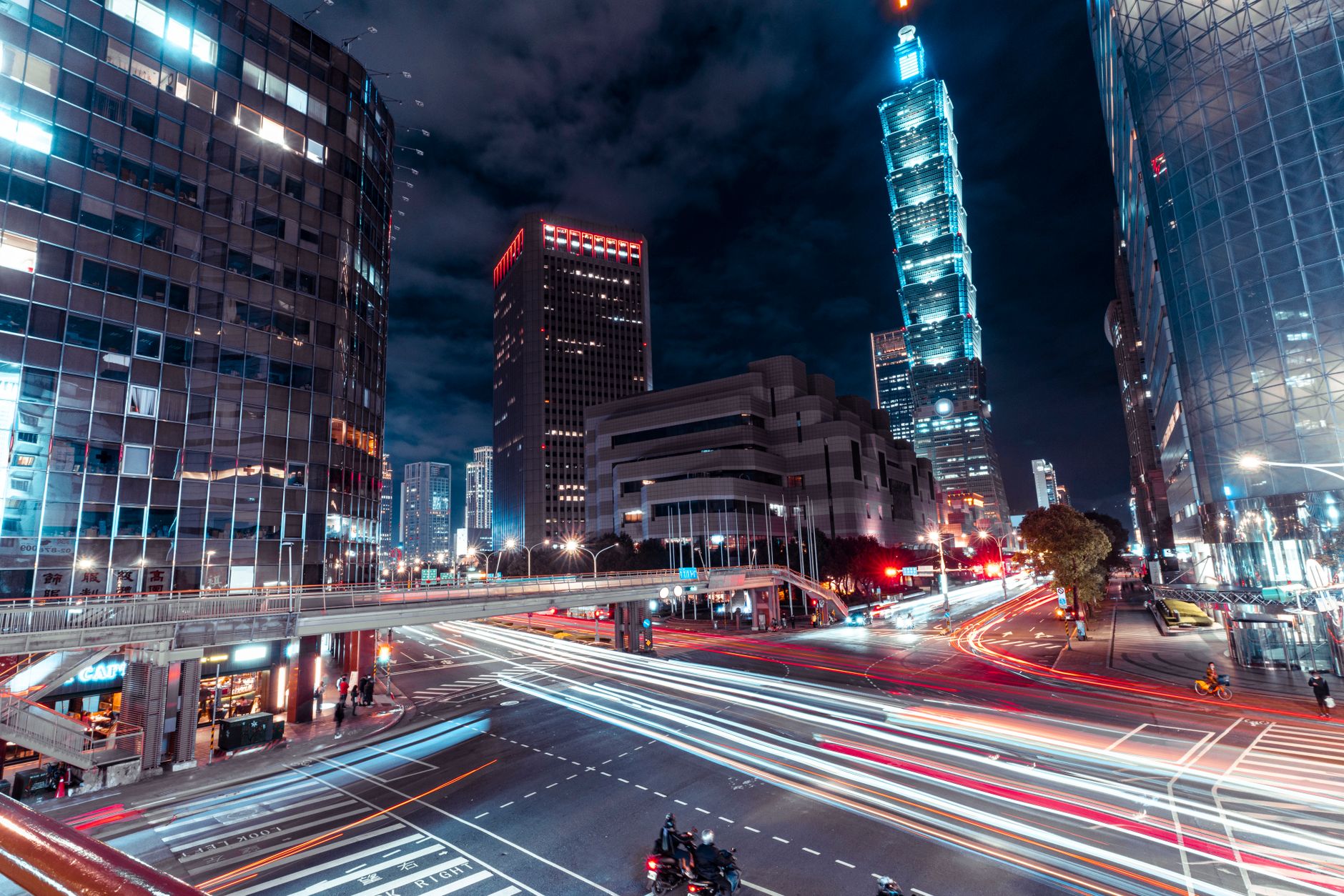
Transportation systems in these cities adapt to demand patterns throughout the day. Real-time updates show not just when the next bus or train arrives, but also how crowded it is and whether taking an alternative route might save time. Some cities have implemented predictive systems that adjust service frequency based on events, weather, and historical patterns, reducing the frustration of unreliable schedules that plague traditional urban transport.
Augmented Experiences and Digital Layers
Smart city technology adds invisible layers of information to physical spaces, accessible through smartphones and increasingly through wearable devices. When cities become apps, historical sites gain new dimensions. Point your device at a building and see how it looked decades or centuries ago, with overlaid information about architectural details, former occupants, and historical events that occurred there.
These augmented reality features help visitors understand context that would otherwise require extensive research or guided tours. Walking through a historic district, travelers can access stories about every building, monument, and plaza without reading physical plaques or carrying guidebooks. The technology adapts to language preferences and interest levels, offering brief summaries for casual explorers and detailed analysis for those who want deeper engagement.
Museums and cultural institutions in smart cities extend their collections beyond physical walls. Digital guides recognize where visitors stand and provide relevant information without them needing to scan codes or enter numbers. Some institutions track visitor flow to identify bottlenecks and suggest optimal routes through exhibitions, ensuring everyone gets a quality experience even during busy periods.
Personal safety takes on new dimensions in smart cities where emergency services integrate with urban monitoring systems. Visitors who need help can be located quickly and accurately, with responders having immediate access to medical information if authorized. Some cities have implemented apps that allow travelers to share their location with trusted contacts automatically when they enter certain areas or during specific time periods.
Navigation becomes more sophisticated than simple map directions. Smart city systems can route pedestrians away from areas experiencing problems, from construction zones to unexpected crowd situations. They factor in real-time variables like weather conditions, temporary closures, and even personal mobility needs when suggesting routes. A visitor with limited mobility receives different recommendations than someone comfortable with stairs and long walks.
Lighting systems in advanced smart cities respond to pedestrian presence, brightening pathways as people approach and dimming in empty areas to save energy. This creates a safer environment for evening exploration while reducing light pollution. Some cities have integrated emergency alert systems that can send targeted notifications to visitors in specific areas, whether about severe weather, security concerns, or major transportation disruptions.
Sustainable Tourism Through Smart Systems
Smart cities use technology to manage the environmental and social impact of tourism. Monitoring systems track visitor distribution across neighborhoods and attractions, identifying overcrowding before it becomes problematic. This data helps city planners make real-time adjustments, from changing traffic patterns to offering incentives for visiting less popular but equally worthy sites.
Digital ticketing systems in these cities do more than eliminate paper waste. They provide dynamic pricing that encourages visits during off-peak times, distributing tourist traffic more evenly throughout the day and week. Some attractions offer reduced admission for visitors who arrive during traditionally slow periods, benefiting both tourists and local residents who might otherwise avoid their own cultural sites during peak tourism seasons.
Water and energy consumption in hotels, restaurants, and public facilities becomes more efficient through automated systems that adjust usage based on occupancy and demand. Visitors often benefit from these improvements without realizing it, through more consistent service and lower costs that result from operational efficiency. Waste management systems sort and process refuse more effectively, and some cities provide visitors with apps showing where to properly dispose of different materials.
Cities like Tampere have demonstrated how digital culture enhances tourism while preserving local character. The balance between technological advancement and authentic experience remains crucial as more destinations adopt smart city frameworks.
Summary
Smart cities represent a fundamental shift in how urban destinations function and how visitors experience them. The integration of sensors, networks, and responsive systems creates environments where information flows naturally between infrastructure and people. These technologies solve practical problems like navigation and safety while opening new possibilities for cultural engagement and environmental sustainability. The changes affect every aspect of travel, from planning and arrival to daily activities and departure. As more cities adopt these systems, the distinction between smart and traditional destinations becomes increasingly apparent. Visitors gain access to layers of information and services that make exploration more efficient, safe, and meaningful. The technology works best when it remains invisible, supporting human experiences rather than dominating them. Understanding these systems helps travelers take advantage of new capabilities while maintaining the spontaneity and discovery that make urban exploration rewarding. The future of city visits depends on balancing technological capability with the authentic character that makes each destination unique.
FAQs
What makes a city qualify as a smart city?
A smart city integrates digital technology and data systems into its infrastructure to improve services, efficiency, and quality of life. This includes interconnected sensors monitoring traffic and environmental conditions, real-time public information systems, responsive transportation networks, and digital platforms that connect residents and visitors with city services. The defining characteristic is the use of data to make urban systems more responsive and adaptive to actual conditions and needs.
Do I need special apps to benefit from smart city features?
Many smart city benefits work automatically through existing infrastructure without requiring specific apps. However, downloading official city apps or tourism platforms enhances the experience by providing personalized recommendations, real-time updates, and augmented reality features. Most cities design their systems to be accessible through standard web browsers as well, so visitors can choose their level of digital engagement based on comfort and interest.
Are smart city systems safe in terms of privacy?
Smart cities collect substantial data, raising legitimate privacy concerns. Reputable cities implement data protection measures, anonymize personal information, and operate under strict regulations about what can be collected and how it can be used. Visitors should review privacy settings on city apps, avoid connecting to unsecured Wi-Fi networks, and understand what information they share. Different cities have different privacy standards, with European destinations generally operating under stricter data protection rules.
How do smart cities handle visitors who prefer low-tech experiences?
Smart cities maintain traditional services alongside digital options, recognizing that not all visitors want or have access to technology. Physical information centers, paper maps, and human staff remain available in most destinations. The technology aims to enhance rather than replace conventional travel experiences. Visitors can choose their level of technological engagement, from fully digital exploration to traditional tourism approaches with minimal tech involvement.
Will smart city technology make urban destinations feel less authentic?
Technology itself does not diminish authenticity, though its implementation matters significantly. Well-designed smart city systems enhance access to authentic experiences by connecting visitors with local culture, history, and communities more effectively than traditional methods. The risk lies in cities prioritizing technology over substance or allowing digital layers to replace rather than complement genuine cultural experiences. The most successful smart destinations use technology to reveal and preserve their unique character rather than homogenizing it.