First-Timer Guide to Exploring Tuscany by Car
Driving through Tuscany offers first-time visitors an unmatched opportunity to experience the region’s rolling hills, medieval villages, and world-renowned vineyards at their own pace. While public transportation connects major cities, a car unlocks access to hilltop towns, hidden wineries, and scenic backroads that define the Tuscan countryside. However, navigating Italy’s driving regulations, narrow village streets, and parking restrictions requires preparation. Understanding the practicalities before you arrive transforms what could be a stressful experience into a memorable adventure through one of Europe’s most beautiful regions.
Essential Documents and Rental Considerations
Before picking up your rental car in Tuscany, confirm you have the proper documentation. Most non-European Union citizens need an International Driving Permit (IDP) alongside their valid national driver’s license. The IDP serves as an official translation of your license and must be obtained in your home country before departure. Rental agencies strictly enforce this requirement, and police can request it during traffic stops.
When selecting a rental vehicle, size matters significantly in Tuscany. The region’s historic centers feature streets built centuries before automobiles existed, with some passages barely wide enough for a compact car. Parking spaces in popular towns are similarly constrained. Choosing the smallest vehicle that meets your luggage needs makes maneuvering through narrow lanes and finding parking spaces considerably easier. Manual transmissions remain standard in Italy and typically cost less than automatic options, though automatics are available if you request them specifically when booking.
Most rental agreements include basic insurance, but carefully review what coverage applies. Italian roads can be challenging for those unfamiliar with aggressive driving styles and tight spaces, making comprehensive coverage worth considering. Verify whether your credit card provides rental car insurance internationally and understand any exclusions before declining additional coverage from the rental agency.
Understanding Limited Traffic Zones and Parking
Limited Traffic Zones, known as ZTLs (Zona a Traffico Limitato), represent the most critical driving regulation for visitors to understand. These restricted areas exist in the historic centers of most Tuscan towns and cities, including Florence, Siena, Lucca, and San Gimignano. Cameras at zone entrances automatically photograph license plates, and unauthorized entry results in fines mailed to the rental company, which then charges your credit card plus an administrative fee.
ZTL restrictions typically operate during specific hours, often from morning until evening on weekdays, though some zones maintain 24-hour restrictions. Electronic signs at entry points display whether the zone is active, showing a red X when closed to traffic and a green arrow when open. However, these signs can be easy to miss or difficult to interpret while navigating unfamiliar streets. The safest approach is to park outside historic centers entirely and walk in.
Most Tuscan towns offer parking lots or streets on the periphery of their historic cores. Blue lines indicate paid parking, white lines mark free spaces for residents, and yellow lines designate restricted parking. Always use blue-lined spaces or designated parking areas. Walking from peripheral parking into town centers rarely takes more than ten to fifteen minutes and eliminates the stress of navigating tight medieval streets while searching for an elusive parking spot. Many hotels outside ZTL areas provide free parking, making them practical bases for exploring nearby towns.
Planning Your Route Through Tuscany’s Scenic Roads
Tuscany’s landscape rewards drivers willing to abandon highways for smaller regional roads. The Chiantigiana (SR222) connecting Florence to Siena ranks among the most celebrated scenic routes in the region. This winding road passes through the heart of Chianti wine country, with vineyards cascading down hillsides and stone farmhouses dotting the countryside. The journey takes approximately ninety minutes without stops, but allocating half a day allows for wine tastings, lunch at a countryside trattoria, and photo stops at scenic overlooks.
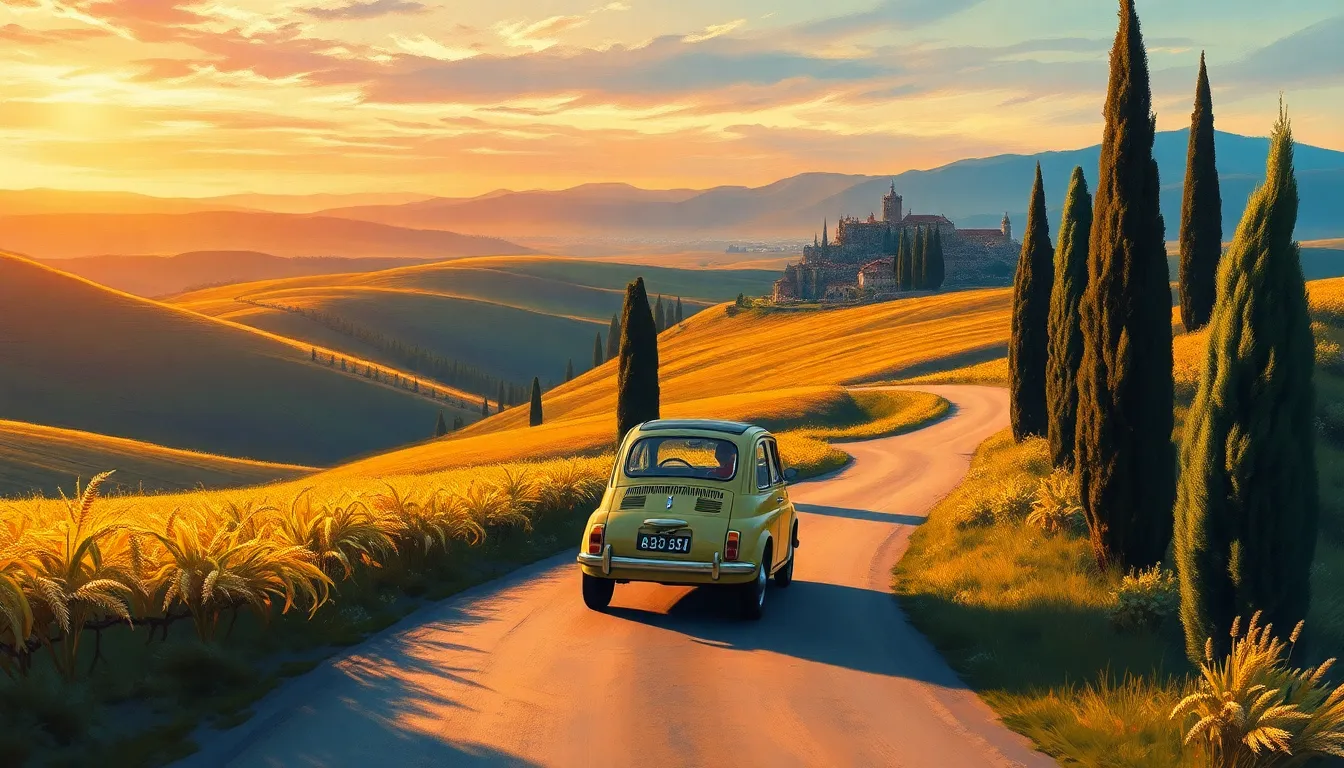
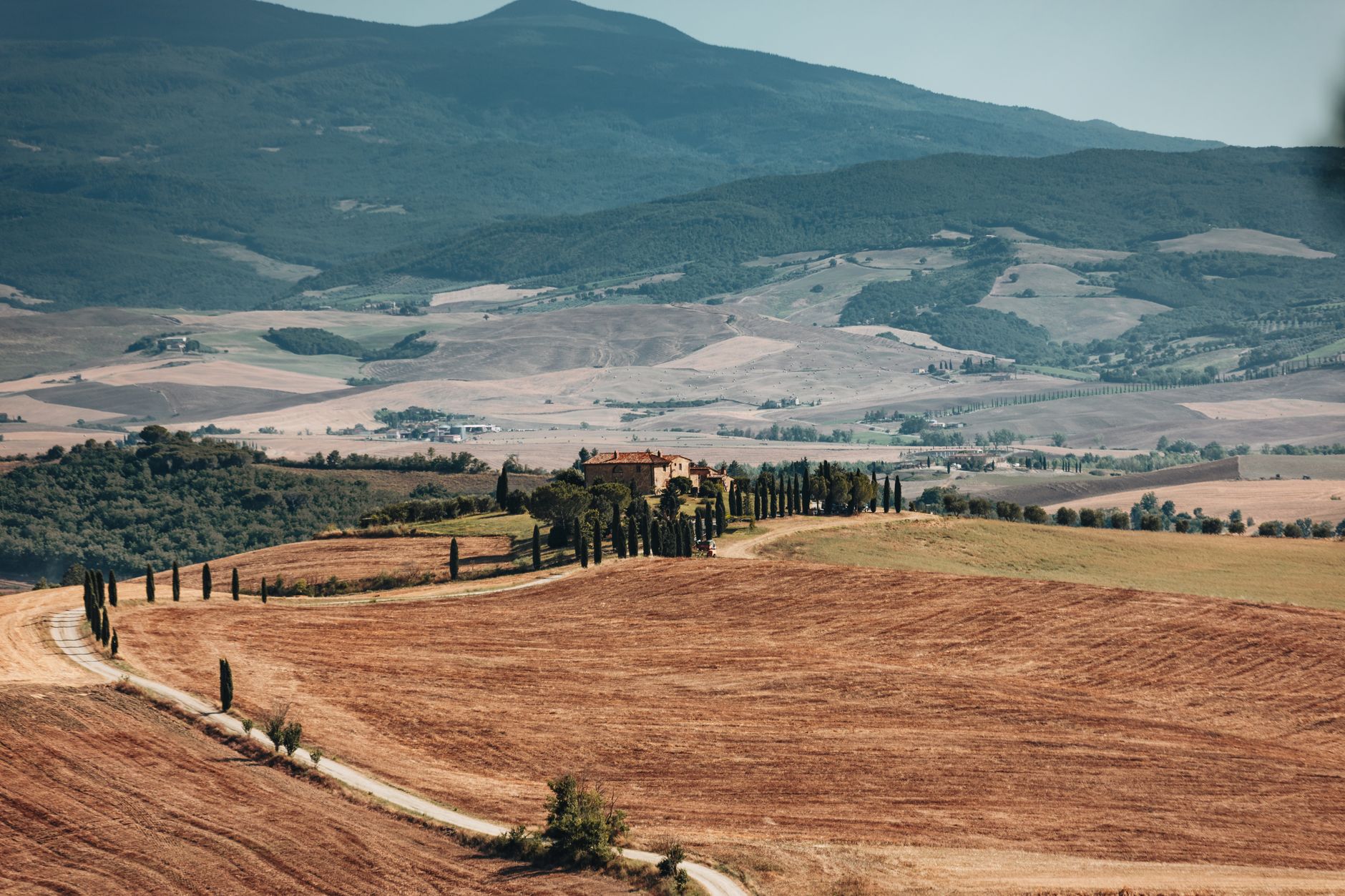
The Val d’Orcia, a UNESCO World Heritage site in southern Tuscany, offers equally stunning driving routes. Roads through this valley wind past iconic cypress-lined driveways, golden wheat fields, and perfectly preserved hilltop towns like Pienza and Montalcino. The landscape embodies the quintessential Tuscan imagery seen in countless photographs, particularly during early morning or late afternoon when light illuminates the hills. Unlike major highways, these secondary roads have minimal traffic and frequent pullouts for photography.
GPS navigation generally works reliably in Tuscany, though occasionally suggesting routes through impossibly narrow village streets. Download offline maps before your trip as a backup, particularly for remote wine country areas where cellular coverage can be spotty. Paper maps remain useful for gaining a broader perspective of the region and identifying alternative routes when road construction or events close preferred roads.
Practical Driving Tips for First-Time Visitors
Italian driving culture differs markedly from North American norms. Drivers maintain closer following distances, use turn signals less consistently, and treat speed limits as suggestions rather than firm rules. Highway passing lanes see frequent use, with faster vehicles flashing headlights to signal slower cars should move right. Defensive driving and patience serve visitors well.
Roundabouts appear frequently on Tuscan roads. Vehicles already in the roundabout have right of way, and drivers enter from the right. Signal your exit as you approach the desired road. These circular intersections replace traditional intersections in many areas and keep traffic flowing more smoothly than stop signs once you understand the pattern.
Fuel stations in rural Tuscany often close for lunch between midday and mid-afternoon, and many have limited Sunday hours. Self-service stations with automated payment machines operate 24 hours but can be confusing for first-time users. Keep your tank above quarter-full when exploring countryside areas to avoid being caught with low fuel when stations are closed. Diesel fuel (gasolio) is considerably cheaper than gasoline (benzina), and many European rental cars run on diesel, so verify which fuel type your vehicle requires before your first fill-up.
Emergency services in Italy use 112 as the universal number, functioning similarly to 911. The rental agency’s roadside assistance number should be programmed into your phone before departing. Most major roads have regular emergency call boxes, though cell phone coverage has made these less critical than in previous decades.
Summary
Exploring Tuscany by car provides first-time visitors with freedom and flexibility that organized tours and public transportation cannot match. The region’s most memorable experiences often happen in small villages and countryside locations accessible only by personal vehicle. Success requires understanding Italy’s specific driving requirements, particularly International Driving Permits for non-EU visitors and the importance of avoiding Limited Traffic Zones in historic town centers. Renting a compact vehicle simplifies navigation through narrow medieval streets and makes parking considerably less challenging. The Chiantigiana road through Chianti and routes through Val d’Orcia offer stunning scenery that justifies the rental expense by itself. Plan to park outside historic centers and walk in, keep fuel tanks reasonably full in rural areas, and drive defensively given Italian traffic norms. With proper preparation and realistic expectations about the differences from North American driving, a Tuscan road trip delivers an unforgettable introduction to one of Italy’s most captivating regions.
FAQs
Do I need an International Driving Permit to drive in Tuscany?
Most non-European Union citizens need an International Driving Permit along with their valid national driver’s license to legally drive in Italy. The IDP must be obtained in your home country before traveling, as it cannot be issued once you arrive in Italy. Rental agencies and police can request to see both documents.
How much are ZTL fines in Tuscany?
Fines for unauthorized entry into Limited Traffic Zones typically range from substantial amounts per violation, and cameras can capture multiple entries on the same day, resulting in multiple fines. The rental car company adds administrative fees when processing these tickets, further increasing the total cost. Avoiding ZTL zones entirely is far more economical than risking even a single fine.
What size car should I rent for driving in Tuscany?
Rent the smallest vehicle that accommodates your luggage and passenger needs. Compact and subcompact cars navigate Tuscany’s narrow village streets and tight parking spaces far more easily than larger vehicles. Many roads in historic centers were built for pedestrians and horses, making small cars a practical necessity rather than just a preference.
Is driving in Tuscany difficult for Americans?
American drivers typically adapt to Tuscan roads within a day or two, though the experience differs from driving at home. Challenges include narrower roads, more aggressive driving styles, frequent roundabouts, and manual transmission vehicles. The most significant adjustment involves understanding and avoiding ZTL zones in historic centers. Staying alert and driving defensively helps visitors navigate successfully.
Can I visit Tuscan wineries without a car?
While organized wine tours operate from major cities like Florence and Siena, a car provides significantly more flexibility for visiting multiple wineries, exploring at your own pace, and discovering small producers in remote countryside locations. Most renowned wineries sit along rural roads inaccessible by public transportation. Designating a non-drinking driver or hiring a driver for specific winery days solves the alcohol consumption concern while maintaining the independence a rental car provides.