Slow Travel: Seeing Less but Enjoying More in 2026
The modern traveler’s itinerary often reads like a checklist: three cities in five days, ten landmarks before lunch, then on to the next destination. This approach to travel leaves many feeling exhausted rather than enriched, returning home needing a vacation from their vacation. Slow travel offers a fundamentally different philosophy, one that prioritizes depth over breadth and quality over quantity. By spending more time in fewer places, travelers can experience destinations as locals do, forge genuine connections, and create memories that extend far beyond tourist snapshots.
What Defines the Slow Travel Movement
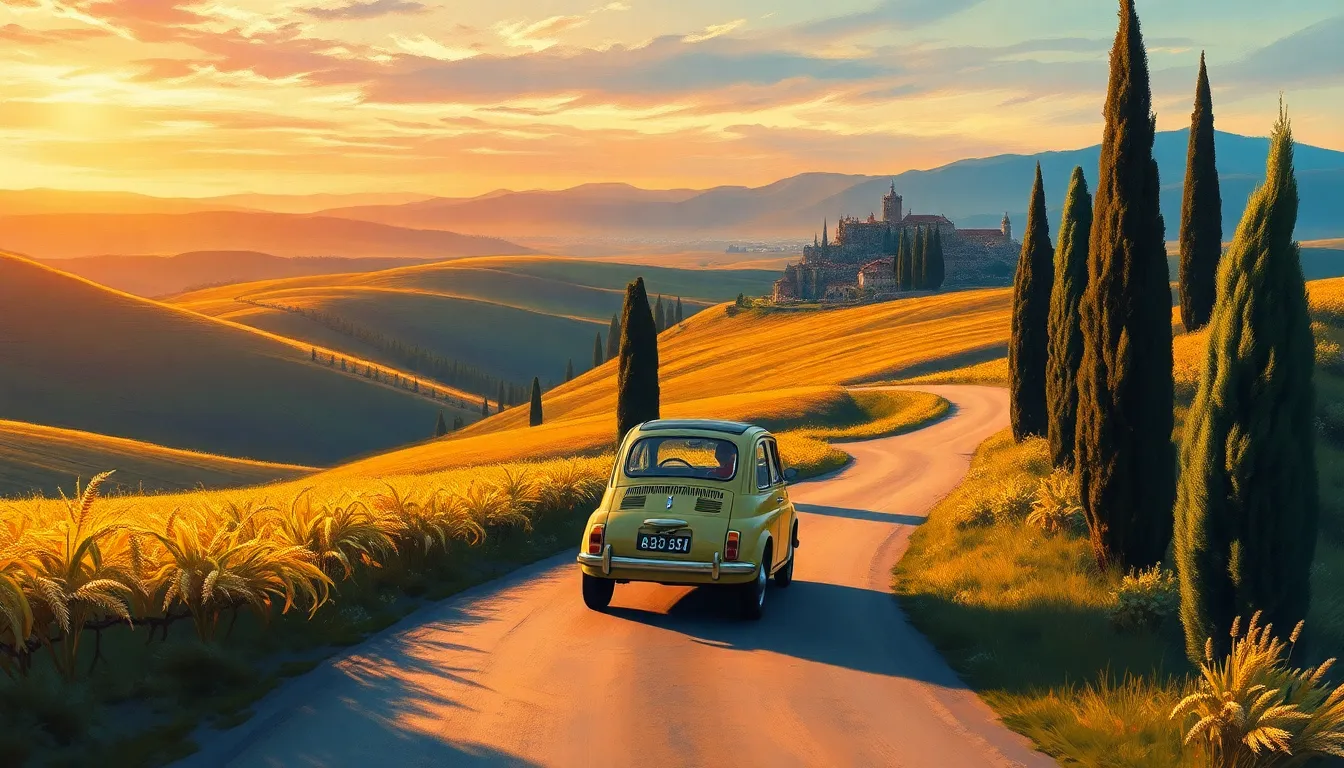
Slow travel emerged from the broader Slow Movement, which found its roots in the Slow Food movement that started in Italy in 1986. Just as Slow Food rejected fast food culture in favor of traditional, mindful eating, slow travel rejects the rushed, tick-box approach to seeing the world.
This philosophy centers on immersion rather than observation. Instead of racing through a dozen countries in three weeks, slow travelers might spend those same three weeks in a single region or even one city. The goal is not to maximize the number of stamps in a passport but to truly understand and appreciate the places visited.
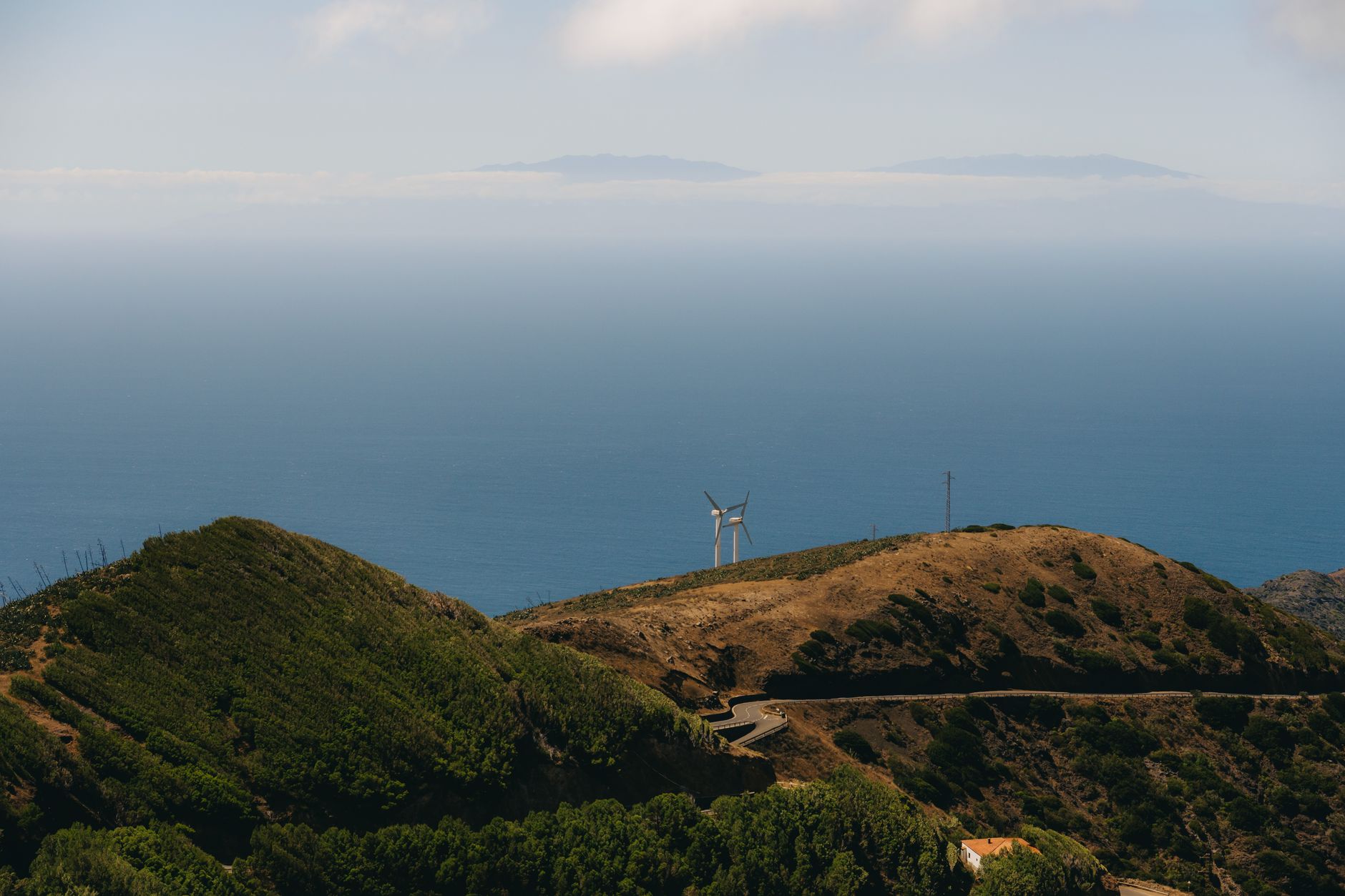
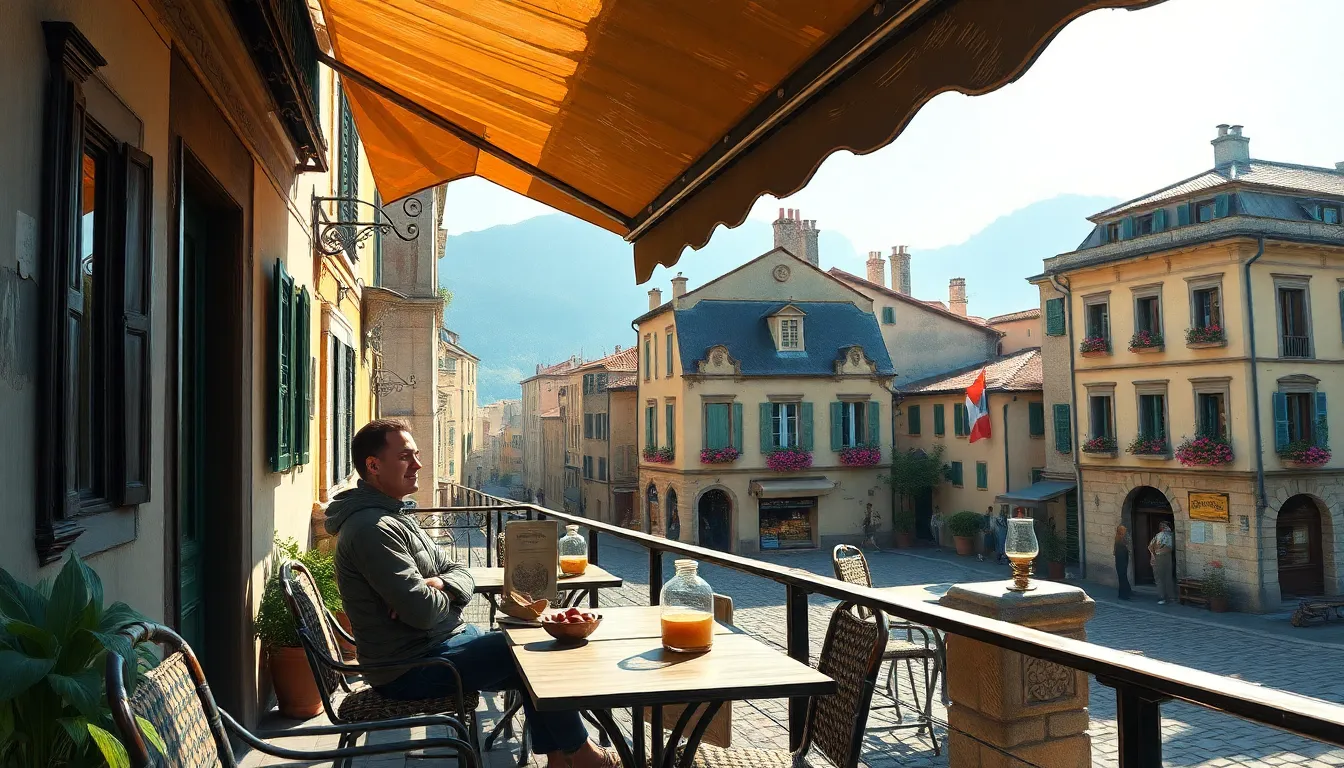
Slow travelers typically rent apartments rather than staying in hotels, shop at neighborhood markets instead of eating every meal in restaurants, and structure their days around local rhythms rather than tour bus schedules. They might take language classes, volunteer with community organizations, or simply spend afternoons in the same cafe, becoming familiar faces rather than anonymous tourists.
This approach creates space for spontaneity and serendipity. Without a packed itinerary dictating every hour, travelers can follow recommendations from new acquaintances, stumble upon festivals or events, and pursue interests that emerge organically during their stay.
The Personal and Cultural Benefits
The reduction in stress stands as one of the most immediate benefits of slow travel. Without the pressure to see everything, travelers can relax and enjoy experiences without constantly checking the time or worrying about missing something important. Mornings can start leisurely, and there is no guilt about spending an entire afternoon reading in a park or having an extended conversation with a shopkeeper.
This relaxed pace also enables deeper cultural understanding. When travelers stay in one place long enough to move beyond tourist areas, they encounter the authentic rhythm of daily life. They witness how locals interact at the neighborhood market, understand regional customs through repeated observation, and begin to recognize the subtle differences that make each community unique.
These extended stays create opportunities for meaningful relationships that superficial tourism cannot provide. A week-long visitor might exchange pleasantries with a café owner, but someone who visits the same café for a month becomes part of the fabric of that place. These connections often lead to invitations to family dinners, introductions to local friends, and insights into culture that no guidebook could provide.
Language acquisition also benefits from this approach. Even without formal study, spending weeks in a single location provides constant, contextual exposure to the local language. Daily interactions at shops, markets, and restaurants create natural learning opportunities that help travelers move beyond basic tourist phrases.
Environmental and Economic Considerations
The environmental advantages of slow travel extend beyond the obvious reduction in flight emissions. By minimizing frequent transportation between destinations, slow travelers significantly decrease their carbon footprint. A traveler who takes one long train journey to a destination and then stays for several weeks creates far less environmental impact than one who flies between multiple cities every few days.
This approach also tends to support local economies more effectively. Slow travelers typically rent accommodations from local property owners, eat at neighborhood restaurants rather than international chains, and purchase goods from independent shops and artisans. Their extended presence means they spend more money in each community they visit, and that money stays local rather than flowing to multinational corporations.
The reduced consumption associated with slow travel carries environmental benefits as well. Without the need to constantly pack and unpack, travelers can bring fewer items and avoid purchasing disposable goods designed for rushed tourism. They can buy fresh food in quantities appropriate for actual consumption rather than relying on packaged convenience items.
For destinations struggling with overtourism, slow travel offers a more sustainable model. Communities benefit more from visitors who stay longer and spend thoughtfully than from masses of day-trippers who create congestion, consume resources, and contribute little to the local economy.
Practical Implementation Strategies
Adopting a slow travel approach requires rethinking traditional vacation planning. The first step involves selecting destinations based on genuine interest rather than bucket lists or social media trends. Consider what truly appeals: food culture, outdoor activities, art and architecture, or simply a different pace of life.
Accommodation choices play a crucial role. Apartments or vacation rentals with kitchens allow travelers to shop at local markets and prepare meals, creating both cultural experiences and cost savings. Longer stays often come with significant discounts, making slow travel economically viable even for budget-conscious travelers.
Building unstructured time into each day proves essential. Rather than booking tours and activities for every available hour, slow travelers might plan one or two specific experiences per day, leaving ample time for wandering, resting, and responding to unexpected opportunities. This approach feels counterintuitive to people accustomed to maximizing every vacation moment, but the seemingly empty hours often yield the most memorable experiences.
Transportation within a destination should favor walking, cycling, or public transit over taxis and rental cars. These slower modes of movement provide better opportunities for observation and discovery. The route from point A to point B becomes part of the experience rather than time to be minimized.
Connecting with local communities enhances the slow travel experience significantly. Language exchange meetups, cooking classes, community volunteer opportunities, and local hobby groups all provide authentic interaction with residents. These connections transform a place from a backdrop for vacation photos into a living community with which travelers can meaningfully engage.
Summary
Slow travel represents more than a vacation style. It embodies a philosophy that values depth, authenticity, and sustainability over superficial coverage of maximum destinations. By spending more time in fewer places, travelers reduce stress, create meaningful connections, support local communities, and minimize environmental impact. The approach challenges the conventional wisdom that good travel means seeing as much as possible in limited time, proposing instead that true understanding comes from sustained presence and mindful engagement. While slow travel may not suit every trip or traveler, its principles offer valuable perspective for anyone seeking more fulfilling travel experiences. The memories created through deep immersion in a place, the relationships formed through extended presence, and the understanding gained through patient observation far outweigh the superficial satisfaction of checking landmarks off a list. In choosing to see less but experience more, slow travelers often discover that they return home enriched in ways that rushed tourism can never provide.
FAQs
How long should I stay in one place for it to count as slow travel?
There is no strict definition, but most slow travelers recommend staying at least one week in a single location, with many preferring two weeks or longer. The key is staying long enough to establish routines, become familiar with neighborhoods, and move beyond initial tourist impressions. Even spending three or four days in one place instead of rushing between cities every day represents a step toward slower travel.
Is slow travel more expensive than traditional tourism?
Slow travel often costs less overall despite longer trips. Extended stays typically qualify for accommodation discounts, and preparing some meals at home in rental apartments significantly reduces food expenses. Travelers also save money by using local transportation instead of taxis and tours. While the total trip duration may increase, the daily cost usually decreases, making longer journeys surprisingly affordable.
Can families with children practice slow travel effectively?
Families often find slow travel particularly beneficial. Children adapt better to new environments when given time to settle in, and parents appreciate not constantly packing and moving between hotels. Renting an apartment provides space for normal family routines, and staying in one place allows children to visit favorite playgrounds repeatedly, potentially make local friends, and maintain more regular sleep schedules despite being away from home.
What if I only have one week of vacation time available?
Even short trips benefit from slow travel principles. Instead of trying to visit three countries in one week, choose a single city or region and explore it thoroughly. You might still take day trips to nearby areas, but returning to the same accommodation each night creates a sense of place and allows for deeper exploration than constant movement would permit.
How do I choose the right destination for slow travel?
Select destinations based on what genuinely interests you rather than famous landmarks. Consider places with strong food cultures if you love cooking, regions with extensive hiking if you enjoy nature, or cities with vibrant art scenes if that excites you. Look for destinations that are walkable or have good public transportation, and consider choosing less famous locations where tourism is less developed and authentic local life is more accessible to visitors.