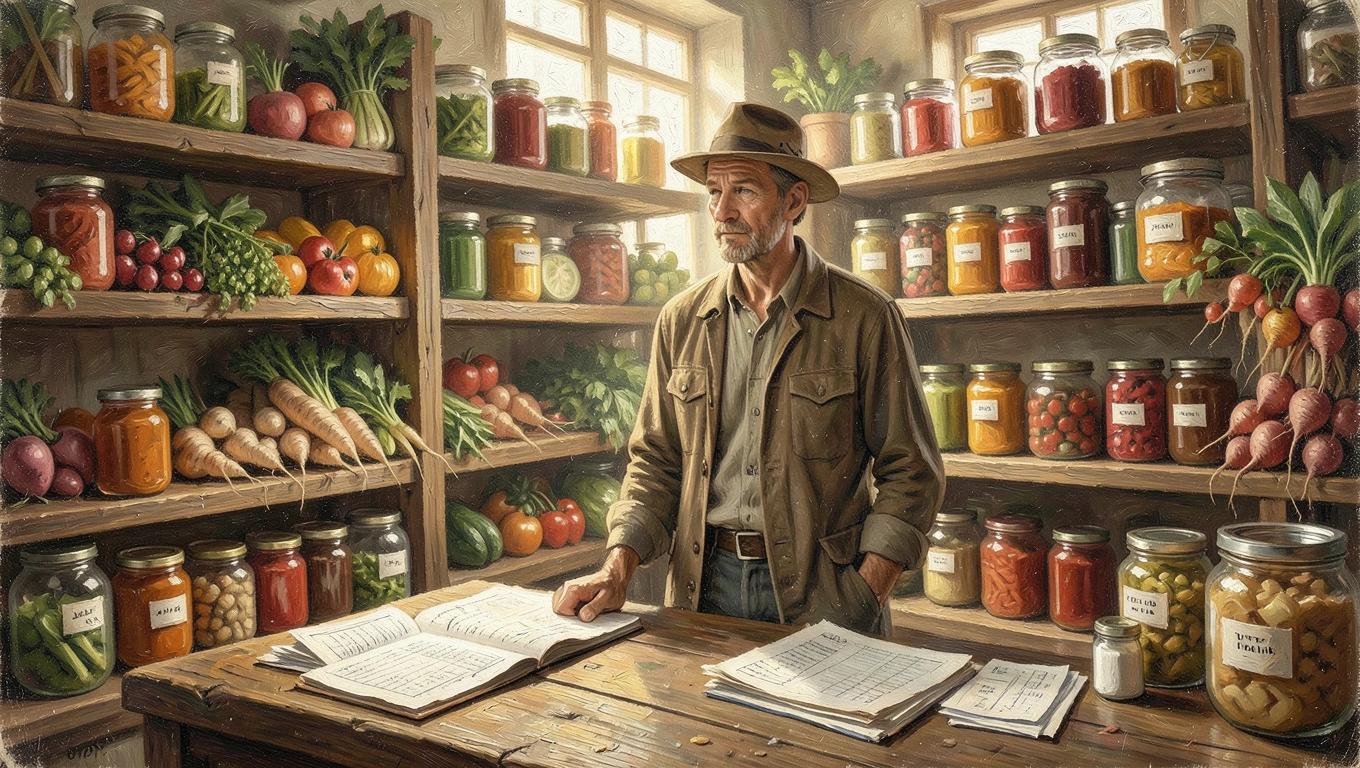
How a Small Farm Shop Keeps Track of Its Stock
Running a small farm shop means juggling fresh produce, seasonal availability, and customer demand while keeping waste to a minimum. Unlike large retail operations with sophisticated software and dedicated inventory teams, small farm shops often rely on practical, hands-on methods that balance simplicity with accuracy. The challenge lies in tracking stock levels for items with varying shelf lives, managing products grown on-site alongside purchased goods, and maintaining profitability without over-ordering or running out of popular items. Understanding how successful farm shops handle these daily realities offers valuable lessons for anyone managing similar operations.
The Foundation: Manual Systems and Simple Tools
Many small farm shops begin with paper-based tracking systems before transitioning to digital methods. A basic stock book records daily deliveries, sales, and remaining inventory for each product category. This manual approach works particularly well for shops with limited product lines or those just starting out. The physical act of writing down numbers creates awareness of stock movement patterns and helps staff develop an intuitive understanding of turnover rates.
Spreadsheet software represents the next step up, offering flexibility without the cost of specialized inventory systems. A well-designed spreadsheet can track product names, quantities on hand, reorder points, supplier information, and seasonal availability patterns. Regular updates, typically conducted at opening and closing times, keep the data current. The key advantage lies in customization – farm shop owners can design tracking methods that match their specific needs rather than adapting to rigid software requirements.
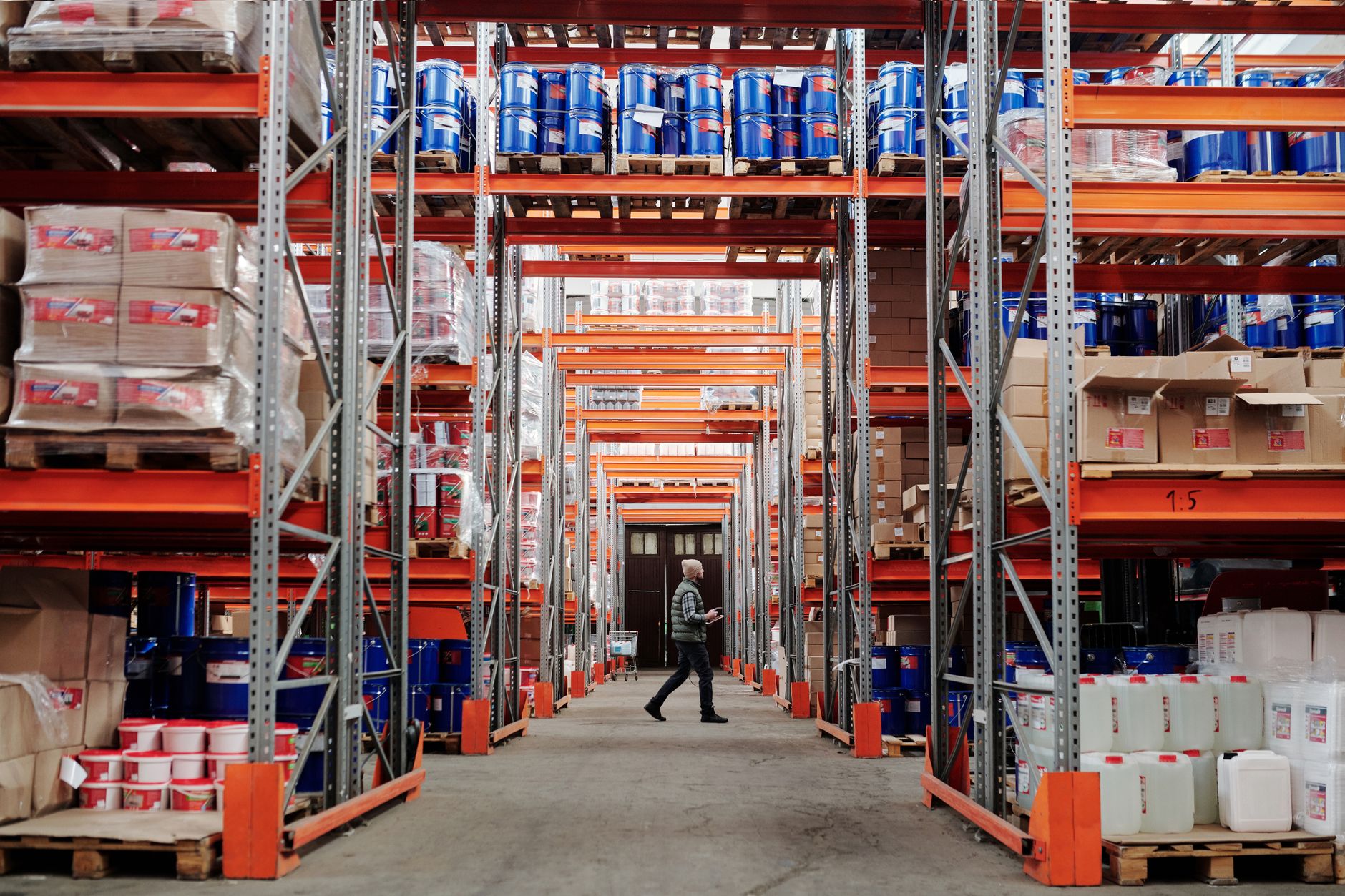
Point-of-sale systems with inventory capabilities provide real-time tracking as items sell. When a customer purchases eggs or preserves, the system automatically deducts those items from stock counts. This immediate feedback helps prevent over-selling and provides accurate data for reordering decisions. However, the effectiveness depends entirely on proper setup and consistent use. Every product must be correctly entered, and staff need to ring up sales rather than estimating totals.
Handling Perishables and Seasonal Variation
Fresh produce presents unique challenges that separate farm shop inventory from conventional retail. Shelf life becomes a critical factor in stock decisions. Leafy greens might last three days, root vegetables several weeks, and preserves many months. Effective tracking systems note both quantity and age, often using a first-in-first-out rotation system marked with harvest or delivery dates.
Many farm shops use color-coded labels or date stamps on storage containers to identify when products arrived. This visual system allows any staff member to quickly identify which items need selling first, reducing waste from spoilage. Daily counts focus on perishable items, while shelf-stable products receive weekly or monthly reviews. The tracking frequency matches the product’s vulnerability to loss.
Seasonal cycles add another layer of complexity. Farm inventory management requires planning for periods of abundance and scarcity, adjusting stock levels and product offerings throughout the year. A shop might track dozens of tomato varieties in summer but none in winter, shifting to preserved goods and storage crops. The inventory system must accommodate these dramatic fluctuations without becoming unwieldy during slower seasons.
Coordinating On-Farm Production with Purchased Stock
Farm shops sourcing products from their own fields face the added complexity of tracking items before they reach the shop floor. Harvest records become part of the inventory system, documenting what was picked, when it entered storage, and how much moved to retail display. This upstream tracking helps predict future availability and plan marketing efforts around expected harvests.
Products purchased from other local farms or suppliers require different handling. These items need clear supplier attribution for both customer transparency and reorder efficiency. A simple inventory card system works well – each product has a card noting current stock, supplier name, contact information, typical order quantities, and lead times. When stock drops to a predetermined reorder point, the card triggers a purchase order.
Batch tracking matters for products like baked goods, preserves, or prepared foods made on-site. Each production run receives a batch number and date, allowing the shop to manage freshness and trace any quality issues back to specific ingredients or preparation dates. This level of detail supports food safety requirements while helping staff rotate stock appropriately.
Practical Counting Methods and Loss Prevention
Physical stock counts provide the ground truth that validates any tracking system. Small farm shops typically conduct full counts monthly, with daily counts of high-value or fast-moving items. The process works best when conducted at consistent times – early morning before opening or after close when the shop is quiet and stock levels are relatively stable.
Count sheets organized by storage area rather than product category save time and reduce errors. Staff count everything in the cooler, then everything on the dry goods shelves, following a logical path through the space. This geographic approach is faster than jumping around looking for scattered instances of the same product. Two-person counting, with one calling numbers and another recording, catches mistakes before they enter the system.
Shrinkage from spoilage, damage, or theft requires separate tracking to understand true profitability. A waste log documents items removed from sale, noting the product, quantity, and reason. This data reveals patterns – perhaps strawberries consistently spoil before selling, suggesting smaller, more frequent orders. Some shops photograph waste items to create visual records that support ordering decisions and identify quality issues with suppliers.
Adapting to Growth Without Losing Simplicity
As farm shops expand their product range or add locations, simple systems show their limits. The transition to more sophisticated inventory management usually happens gradually. A shop might start by adding barcode scanning to speed up counts, then implement category-level tracking before moving to individual SKU management. The goal is adding capability without creating administrative burden that pulls owners away from customer service and production.
Successful scaling often involves choosing one improvement at a time. Farm store inventory best practices suggest implementing changes during slower seasons, giving staff time to learn new procedures before peak periods arrive. A winter upgrade to a new point-of-sale system allows thorough testing before the spring rush begins.
Integration between different tracking elements becomes valuable at larger scales. When the point-of-sale system talks to the inventory database, which connects to supplier ordering platforms, the time saved in manual data entry can be substantial. However, these connections create dependencies – if one system fails, others may become unreliable. Maintaining backup manual processes ensures operations continue during technical difficulties.
Summary
Small farm shops succeed in inventory management by matching their tracking methods to their operational reality. The most effective systems balance accuracy with practicality, avoiding both the chaos of no tracking and the paralysis of over-complicated processes. Starting with simple methods like stock books or spreadsheets builds foundational habits and understanding before investing in sophisticated software. The unique challenges of perishable goods, seasonal variation, and mixed sourcing require flexible approaches that accommodate change rather than fighting it. Regular physical counts ground any system in reality, while careful attention to waste and loss reveals the true cost of inventory decisions. As shops grow, the transition to more advanced tools works best when implemented gradually and tested thoroughly. The underlying principle remains constant across all scales: knowing what you have, where it came from, and how quickly it moves forms the basis for profitable, sustainable operation that serves customers well while minimizing waste.
FAQs
What is the simplest way to start tracking inventory in a farm shop?
Begin with a basic stock book or spreadsheet that records opening inventory, items received, items sold, and closing inventory for each product daily. Focus initially on high-value or fast-moving items rather than attempting to track everything at once. This manual approach builds awareness of stock patterns and establishes counting habits before investing in more complex systems.
How often should a small farm shop conduct physical inventory counts?
Conduct full physical counts at least monthly, with daily or weekly counts for perishable items and high-value products. The counting frequency should match the product’s risk – items that spoil quickly or have high theft potential need more frequent verification. Consistent timing for counts, such as first thing in the morning, produces more reliable data than sporadic checking.
How do farm shops manage inventory for seasonal products?
Seasonal inventory management requires planning for dramatic fluctuations in availability throughout the year. Many shops maintain historical records of harvest timing and volumes from previous seasons to predict stock levels. The tracking system should easily accommodate products that appear for only a few weeks or months, without cluttering the interface during off-seasons when those items are unavailable.
What is the best way to track products with short shelf lives?
Use date-based rotation systems that mark products with harvest or arrival dates, typically through color-coded labels or written dates on containers. Implement first-in-first-out practices where older stock moves to the front of displays. Daily monitoring of perishable inventory helps identify items approaching their sell-by dates, allowing for discounting or processing before loss occurs.
When should a farm shop upgrade from spreadsheets to inventory software?
Consider upgrading when manual tracking consumes excessive staff time, when inventory errors become frequent, or when the product count exceeds what can be reliably managed in spreadsheets. Shops expanding beyond a few hundred distinct items or adding multiple locations typically benefit from dedicated inventory systems. The upgrade makes most sense during slower business periods when staff can learn new tools without customer service pressure.