How to Order Coffee in Italy Like a Local (2026 Guide)
Ordering coffee in Italy is not simply a transaction – it is a ritual steeped in tradition, etiquette, and unspoken rules that locals navigate effortlessly. For visitors, understanding these customs transforms a simple caffeine stop into an authentic cultural experience. The Italian coffee culture is precise, deliberate, and remarkably different from the grab-and-go model familiar in many other countries. Mastering the local approach means knowing what to order, when to order it, and how to conduct yourself at the bar. This guide provides the essential knowledge to approach any Italian café with confidence and enjoy your espresso exactly as the Italians do.
Understanding the Italian Coffee Bar Experience
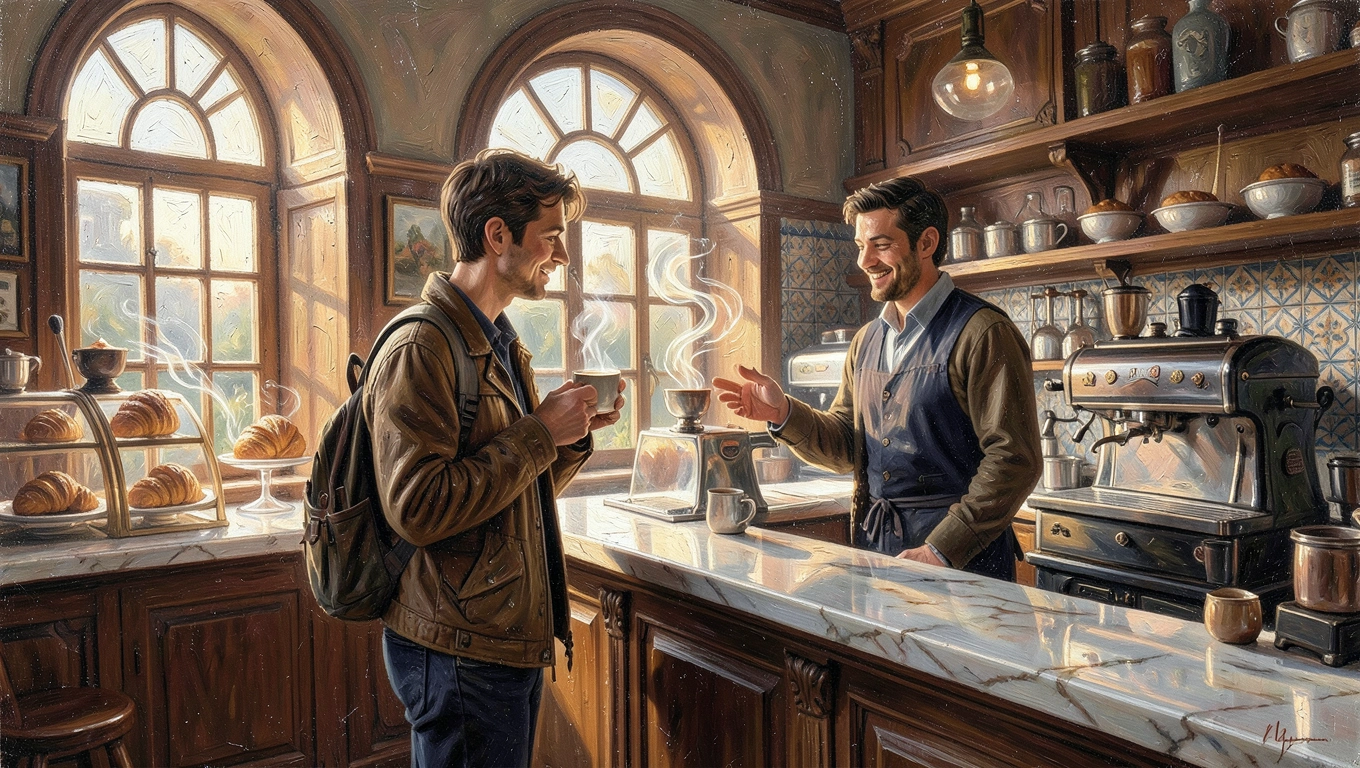
The physical act of ordering coffee in Italy follows a distinct pattern that differs markedly from café culture elsewhere. Italians typically consume their coffee standing at the bar rather than sitting at a table. This preference is partly practical – standing service costs less than table service, sometimes significantly so – and partly cultural. Coffee is viewed as a quick energizer, not a leisurely social event requiring a seat and extended conversation.
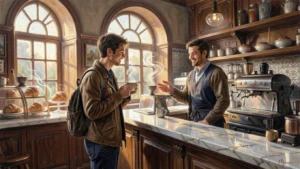
When you enter an Italian bar, the standard procedure involves paying at the cash register first, receiving a receipt, then presenting that receipt to the barista at the counter. In some establishments, particularly in smaller towns, you may order and pay directly at the bar. The entire experience, from ordering to finishing your drink, rarely exceeds five minutes. This efficiency reflects the Italian perspective on coffee: it is a brief pause in the day, consumed quickly and with purpose.
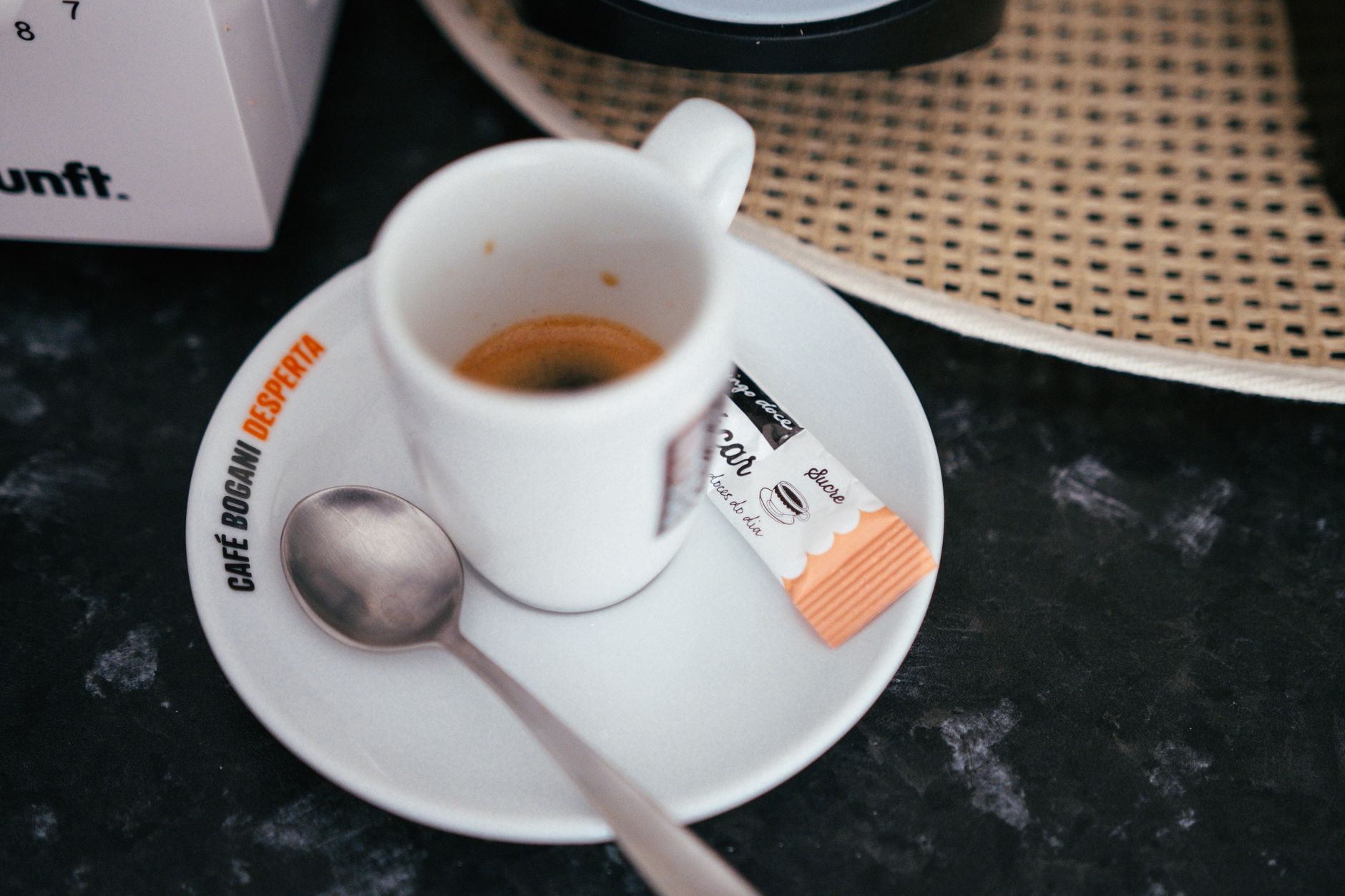
The terminology matters immensely. If you ask for a “caffè,” you will receive a single shot of espresso – this is the default, the baseline, the standard Italian coffee. There is no need to specify “espresso” because that is what caffè means. The drink arrives in a small cup, strong and concentrated, meant to be consumed in two or three swift sips. Italian dining etiquette emphasizes respect for these established patterns, and coffee service is no exception.
Timing Your Coffee Order Correctly
The time of day dictates what coffee you should order, and deviating from these unwritten rules marks you immediately as an outsider. Italians drink cappuccino exclusively as a breakfast beverage, typically consumed before mid-morning. The reasoning centers on digestion – the milk in a cappuccino is considered too heavy for consumption after a meal, particularly after lunch or dinner. While no one will refuse to serve you a cappuccino at three in the afternoon, you will receive curious looks and possibly bemused commentary.
Morning is the domain of milky coffees: cappuccino, caffè latte, or latte macchiato. These drinks provide sustenance alongside a pastry, forming the traditional Italian breakfast. By eleven o’clock, Italians switch to straight espresso. The afternoon and evening hours call for caffè – that single shot of espresso – or perhaps a caffè macchiato, which is an espresso with just a small amount of milk foam. After dinner, a caffè corretto, espresso with a splash of grappa or other spirit, serves as a digestive.
Understanding these timing conventions demonstrates cultural awareness. Ordering practices vary significantly from region to region in Italy, but the morning-milk rule remains remarkably consistent nationwide. If you crave a cappuccino in the evening, some tourist-friendly establishments will accommodate the request, but doing so separates you from the local experience you presumably sought.
Essential Coffee Vocabulary and Variations
Italian coffee menus offer numerous variations, each with specific characteristics and appropriate contexts. A caffè macchiato is an espresso “stained” with a small amount of foamed milk – just enough to soften the intensity slightly. A latte macchiato reverses the proportion: steamed milk “stained” with espresso, served in a tall glass. The distinction matters, and confusing the two results in receiving something quite different from what you intended.
For a longer drink without milk, order a caffè americano – espresso diluted with hot water. Italians generally regard this as a tourist preference, but it appears on most menus without judgment. A caffè lungo uses more water passed through the coffee grounds, creating a slightly larger and less intense shot than standard espresso. Conversely, a caffè ristretto uses less water, producing a more concentrated shot favored by purists.
The affogato occupies a special category as dessert rather than beverage. This treat consists of a scoop of vanilla gelato “drowned” with a shot of hot espresso poured over the top. The contrast between cold cream and hot bitter coffee creates a beloved combination, typically consumed in the afternoon or after dinner. Other regional specialties include caffè shakerato in summer – espresso shaken with ice and sugar until frothy – and marocchino, a layered drink combining espresso, cocoa powder, and milk foam.
Italian coffee traditions extend beyond the drinks themselves to encompass the entire social framework surrounding coffee consumption. Each variation has earned its place through decades of refinement, and Italians defend these distinctions with genuine passion.
Practical Etiquette for the Coffee Bar
Beyond knowing what to order and when, several behavioral norms govern the Italian coffee experience. First, coffee is not a beverage to carry around the streets. Italians consume their coffee at the bar, finish it quickly, and leave. The concept of a paper cup for walking does exist in some tourist areas, but it contradicts traditional practice. The coffee tastes better from a proper cup, and the brief pause at the bar provides a moment of reflection in the day.
When ordering, be direct and specific. State your drink clearly: “Un caffè, per favore” or “Un cappuccino, grazie.” The barista does not expect lengthy conversation or detailed customization requests. Italian coffee bars operate with remarkable efficiency, serving dozens of customers per hour, and excessive deliberation disrupts the flow. If you want sugar, you will find it on the counter – add it yourself after receiving your drink.
Tipping is not customary or expected in Italian coffee bars. The price you pay includes service, and leaving coins on the counter, while not offensive, is unnecessary. Many locals leave small change, but this is discretionary and minimal. The barista’s skill and the quality of the coffee are considered part of the standard service, not extras deserving separate compensation. This differs substantially from North American café culture, where tipping is essentially mandatory.
Finally, respect the space. Italian coffee bars serve as neighborhood gathering points, and regulars maintain established patterns. Stand at the bar, drink your coffee, exchange brief pleasantries if you wish, and then move on. This efficiency and respect for shared space characterize Italian public life broadly, and the coffee bar exemplifies these values perfectly.
Summary
Ordering coffee in Italy like a local requires understanding that coffee is not merely a beverage but a cultural institution with specific rules, timing, and etiquette. The experience centers on speed, quality, and tradition rather than customization or comfort. Knowing to stand at the bar, order a simple caffè when you mean espresso, and reserve cappuccino for morning hours demonstrates respect for Italian customs. The ritual of paying first, presenting your receipt, and consuming your drink quickly integrates you into daily Italian life rather than marking you as an observer. These practices have evolved over generations and reflect broader Italian values of efficiency, quality, and communal respect. The precision with which Italians approach their coffee might seem rigid initially, but it ensures consistently excellent results and maintains a shared cultural experience. Whether you are in Rome, Florence, or a small village in Sicily, these principles apply universally. Mastering them transforms your Italian travels from surface-level tourism into genuine cultural participation, one perfectly pulled espresso at a time.
FAQs
Can tourists order cappuccino after lunch in Italy?
Yes, Italian baristas will serve cappuccino to tourists at any time of day, though locals typically drink it only at breakfast. You may receive curious looks from other customers, but no one will refuse your order. If you prefer to blend in completely, switch to straight espresso or espresso macchiato after mid-morning.
Why is coffee at the bar cheaper than at a table in Italy?
Italian pricing distinguishes between bar service and table service. Standing and drinking at the bar is considered quick service with minimal overhead, while sitting at a table requires wait staff, table maintenance, and extended occupancy of space. The price difference can be substantial, sometimes double or triple for the same drink consumed while seated.
What does caffè mean when ordering in Italy?
Caffè is the Italian word for a single shot of espresso. It is the default coffee order throughout Italy. You do not need to specify “espresso” – simply asking for “un caffè” will get you a small cup of strong, concentrated espresso, which is the foundation of Italian coffee culture.
Do I need to tip the barista in an Italian coffee bar?
Tipping is not expected or customary in Italian coffee bars. The listed price includes service. Some locals leave small change on the counter, but this is entirely optional and not an established practice. Italian service culture operates differently from countries where tipping is standard, and baristas do not rely on tips as part of their income.
When is the appropriate time to drink espresso in Italy?
Italians drink straight espresso throughout the day, particularly from late morning through evening. Unlike milky coffee drinks reserved for breakfast, espresso has no time restrictions. Many Italians consume multiple espressos daily, often stopping at the bar mid-morning, after lunch, and in the afternoon as quick energy boosts between activities.