Teaching Kids to Notice Colors in the Landscape
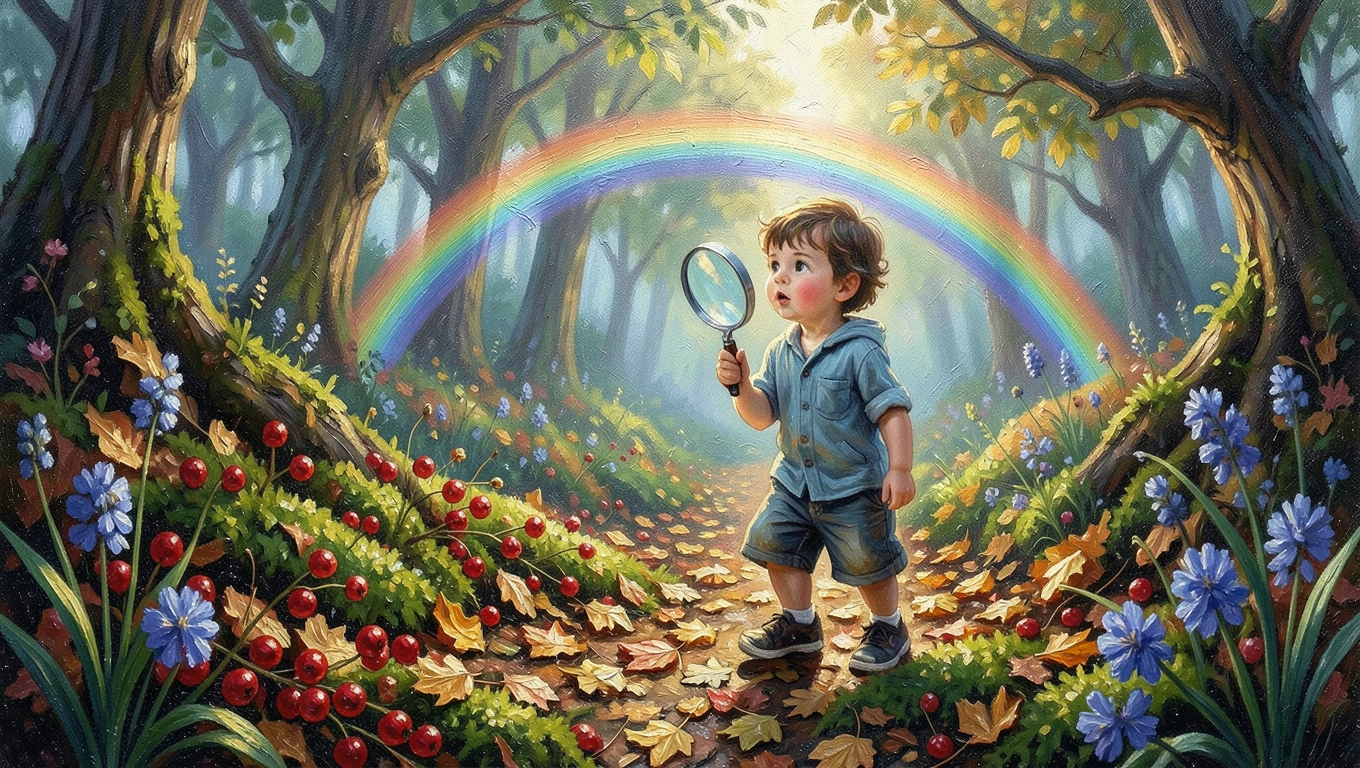
Children notice the world differently than adults. Where we see a park or a garden, they see endless possibilities for discovery. Teaching kids to notice colors in the landscape transforms everyday outdoor experiences into opportunities for learning, creativity, and connection with nature. Color recognition isn’t just about naming hues – it builds cognitive skills, expands vocabulary, and lays groundwork for scientific thinking. When children actively observe the greens of leaves, the blues of the sky, and the browns of bark, they develop abilities that extend far beyond the playground. This fundamental skill helps them differentiate objects, categorize what they see, and understand patterns that will serve them throughout their education and life.
Why Color Recognition Matters for Development
Color recognition serves as a building block for complex cognitive tasks. When children learn to identify and name colors in their environment, they develop the ability to sort, categorize, and recognize patterns. These skills translate directly into mathematics, reading, and problem-solving abilities they’ll use in school and beyond.
The process of noticing colors also expands vocabulary in meaningful ways. Instead of simply saying “tree,” a child who pays attention to colors can describe “the bright green maple” or “the dark brown oak.” This descriptive language helps children communicate more precisely about what they observe and experience. Words like “bright,” “dull,” “bold,” and “faded” become part of their working vocabulary when they regularly practice describing the natural world.
Beyond language, color observation in nature encourages scientific thinking. When children ask “Why is the sky blue?” or “How do leaves change color?” they’re engaging in the fundamental process of questioning that drives all scientific inquiry. Nature-based color activities create natural opportunities for these questions to emerge, setting the stage for deeper exploration of botany, weather, seasons, and ecosystems.
Developing what educators call naturalist intelligence – the ability to recognize and categorize natural objects – through color sorting and observation can foster environmental awareness that lasts into adulthood. Children who spend time noticing the details of their natural surroundings often grow into adults who care about protecting those environments.
Practical Activities for Color Exploration Outdoors
The color hunt remains one of the most effective and engaging ways to teach children about colors in nature. Create simple color swatches using paint chips, colored paper, or fabric samples. Give each child a collection of swatches and challenge them to find matching colors in the landscape. A yellow swatch might lead them to dandelions, forsythia blooms, or fallen ginkgo leaves. A brown swatch could match tree bark, soil, or seed pods.
This activity works in any outdoor setting – backyards, parks, nature trails, or even urban green spaces. The key is giving children time to look closely and make connections between the swatch and what they find. Some children will match exactly; others will notice that natural colors rarely appear in isolation, discovering that a “green” leaf actually contains traces of yellow, brown, or even red.
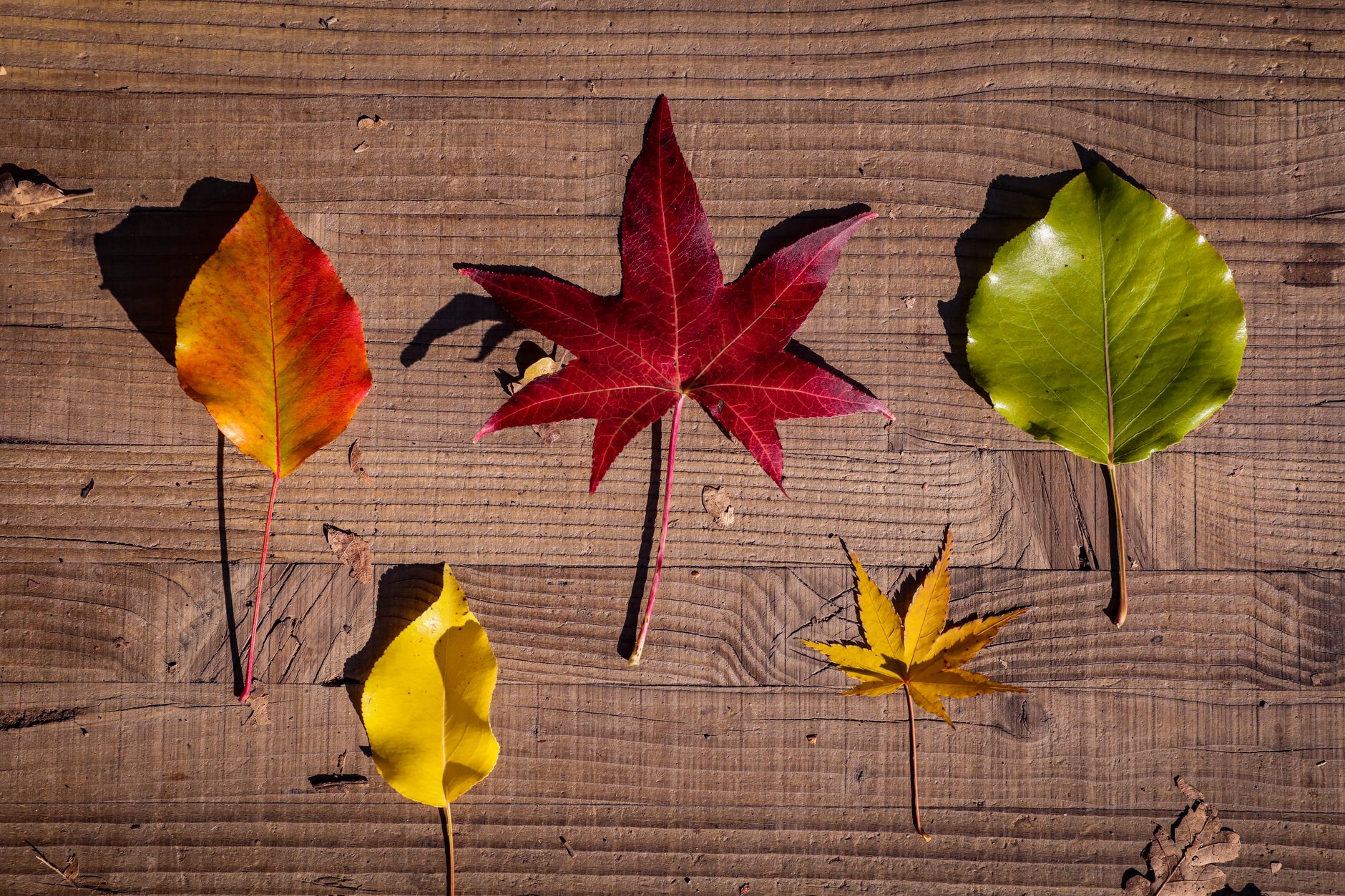
Seasonal color observation teaches children that landscapes change over time. In spring, encourage them to notice the light greens of new leaves and the pastels of early flowers. Summer brings deeper, richer greens and bright flowering colors. Autumn offers the dramatic shift to reds, oranges, and yellows. Winter reveals browns, grays, and the often-overlooked greens of evergreens and mosses. Tracking these changes helps children understand cycles and patterns while reinforcing color vocabulary.
Creating a color collection box gives children a hands-on way to organize and study the colors they find. Using an egg carton, small boxes, or divided containers, children can sort natural items by color – red leaves in one section, yellow flower petals in another, brown acorns in a third. This sorting activity reinforces categorization skills while creating a tangible record of their observations.
Bringing Nature’s Colors Inside
Not every family has immediate access to diverse outdoor spaces, and weather doesn’t always cooperate with exploration plans. Bringing natural materials indoors extends the learning and allows for closer, more detailed observation. A simple nature table near a window can hold leaves, flowers, stones, bark, and other found objects arranged by color or displayed for study.
Nature-themed art projects transform color observation into creative expression. Before drawing or painting, encouraging children to pause and look closely trains their eyes and minds to notice details they might otherwise miss. When a child draws a leaf from observation, they discover that green isn’t uniform – there are yellow veins, brown spots, and variations in tone from center to edge.
Leaf rubbings offer a simple way to capture color and texture simultaneously. Place a leaf under paper, rub over it with a crayon or soft pencil, and the color and pattern emerge. Children can compare rubbings from different leaves, noticing how colors vary between species and even between individual leaves from the same tree.
Creating natural paints from flower petals, berries, or crushed leaves introduces color mixing and variation. Smashing purple petals creates one shade of paint; mixing it with yellow flower paint produces something entirely different. This experimentation teaches children that colors aren’t fixed – they blend, change, and create new possibilities.
The classic science experiment of placing a white carnation in colored water demonstrates how color moves through natural structures. As the flower slowly takes up the dyed water, white petals gradually transform to blue, red, or green. This simple observation teaches patience and the principle that change in nature often happens slowly, in small increments that matter.
Connecting Colors to Broader Learning
Color observation naturally integrates with other learning areas. Math concepts like counting, sorting, and creating graphs become concrete when children count how many red items versus yellow items they found, or create a bar graph showing the most common colors in their backyard.
Reading and storytelling gain depth when children have rich color vocabulary. A story about a forest becomes more vivid when a child can picture the specific greens, browns, and golds they’ve personally observed. Writing exercises that ask children to describe a favorite outdoor place draw on their color observation experiences, producing more detailed and engaging descriptions.
Science lessons about plant biology, weather, and seasons connect directly to color observations. Understanding that chlorophyll gives leaves their green color, and that autumn colors emerge when chlorophyll breaks down, makes more sense to a child who has carefully observed the transformation firsthand. Weather concepts like why the sky appears blue or why clouds can be white, gray, or even pink tie directly to color awareness.
Art appreciation expands when children recognize that landscape painters and nature photographers are capturing the same colors they notice on their walks. Viewing a painting of a sunset or a photograph of a forest canopy becomes a conversation about accuracy, interpretation, and artistic choices when children have their own reference experiences with those colors in nature.
Summary
Teaching children to notice colors in the landscape accomplishes far more than simple color identification. It builds cognitive skills that support academic learning, expands vocabulary in practical ways, and fosters scientific curiosity about natural processes. Whether through outdoor color hunts, seasonal observation, nature art projects, or indoor experiments with natural materials, these activities engage children in active learning that feels like play. The skills developed through color observation – categorization, pattern recognition, descriptive language, and careful attention to detail – transfer to classroom learning and beyond. Most importantly, children who learn to truly see the colors around them develop a connection to the natural world that can last a lifetime. They become observers who notice rather than overlook, who question rather than assume, and who find beauty and interest in the everyday landscapes others might pass by without a second glance.
FAQs
At what age should I start teaching my child about colors in nature?
Children can begin noticing and learning colors as early as 18 months to two years old, though formal color naming typically develops between ages two and three. Nature-based color activities work well for toddlers through elementary age, with the complexity adjusted to the child’s developmental level. Younger children might simply collect items of one color, while older children can compare shades, discuss why colors appear, and document seasonal changes.
What if my child has color blindness?
Children with color vision deficiency can still benefit greatly from nature observation activities. Focus on other descriptive qualities like brightness versus darkness, texture, shape, and size. Many color-blind individuals can still distinguish some colors or shades, so work with what your child can see rather than what they cannot. Emphasize the variety in nature beyond just hue – the rough bark versus smooth leaves, the pattern of veins in a leaf, or the shape of different flowers.
How do I make color observation interesting for older children who think it’s too basic?
Challenge older children with more complex color concepts. Ask them to find ten different shades of green or to photograph the same tree weekly to document color changes. Introduce color theory – complementary colors, warm versus cool tones – and have them find examples in nature. Photography projects, nature journals with detailed color notes, or creating a field guide to local plants organized by color can engage children who need more sophisticated tasks.
Can these activities work in urban environments without much green space?
Absolutely. Urban environments offer color observation opportunities in street trees, planters, window boxes, park strips, and even weeds growing through sidewalk cracks. Sky colors, clouds, birds, and insects provide additional subjects. Visiting community gardens, botanical gardens, or even grocery store produce sections can supplement limited outdoor access. The goal is noticing and naming colors wherever they appear, not necessarily requiring wilderness areas.
How can I extend color learning into other seasons and activities?
Create a year-round nature journal where children document colors they observe each month, building a record of seasonal changes. Take photos of the same location throughout the year to compare. Collect and preserve colored items – pressed flowers, painted leaf rubbings, or labeled photos – to create a permanent color reference. Connect indoor activities like cooking with color observation by discussing the colors of fruits and vegetables and where those colors come from in nature.